Working in finance, whether you’re a bookkeeper or an accountant, often feels like a constant race against the clock. You manage countless journal entries, clarify complex reports for clients, draft professional emails, and handle endless follow-ups. The demands can be overwhelming, leaving you with little time to spare.
Imagine having a dedicated assistant who works tirelessly, providing instant support whenever you need it. This is precisely where an AI copilot, like ChatGPT, steps in. It doesn’t aim to replace your expertise but rather to augment your capabilities, helping you streamline tasks and boost efficiency. Let’s explore the best practices for AI copilot for financial reporting.

What is an AI Copilot for Financial Reporting and Why Does it Matter?
An AI copilot, such as ChatGPT, is an intelligent tool designed to comprehend human input and generate relevant, helpful responses. For financial professionals, this means a powerful ally for everyday tasks like constructing journal entries, drafting client communications, summarizing intricate reports, and answering routine inquiries. It’s like having a knowledgeable team member always ready to assist, making your work smoother and faster.
Best Practices for AI Copilot in Financial Reporting
1. Simplify and Accelerate Journal Entries
Creating journal entries traditionally requires careful thought about debits and credits. With an AI copilot, you can simply describe the transaction, for instance, “Record a journal entry for $1,200 rent paid from the bank on May 1st.” The AI will instantly generate the correct entry, saving you time and reducing errors across various transactions, from sales to payroll.
2. Clarify Financial Reports for Clients
Many clients find financial reports complex and overwhelming. Instead of spending valuable time detailing every line item, you can use your AI copilot to summarize the key takeaways. Just paste the report and ask the AI to distill the main points into an easy-to-understand summary. This approach enhances client comprehension and builds their confidence in your services.
3. Draft Professional Emails Effortlessly
Composing professional emails, especially reminders or follow-ups, can consume a significant part of your day. An AI copilot can draft these communications in seconds. Provide a prompt like, “Write a reminder email for clients with missing receipts,” and it will generate a professional draft instantly. This ensures you always have well-articulated messages for thank-you notes, deadline reminders, or any other client correspondence.
4. Provide Quick Answers to Client Questions
Clients often ask recurring questions, such as “Why is my profit different from my bank balance?” or “Do I need to save every receipt?” Instead of formulating new answers repeatedly, use your AI copilot to craft clear, concise responses. You can even save these as templates for consistent and professional communication, greatly improving your response time.
5. Seamless Integration with Accounting Software
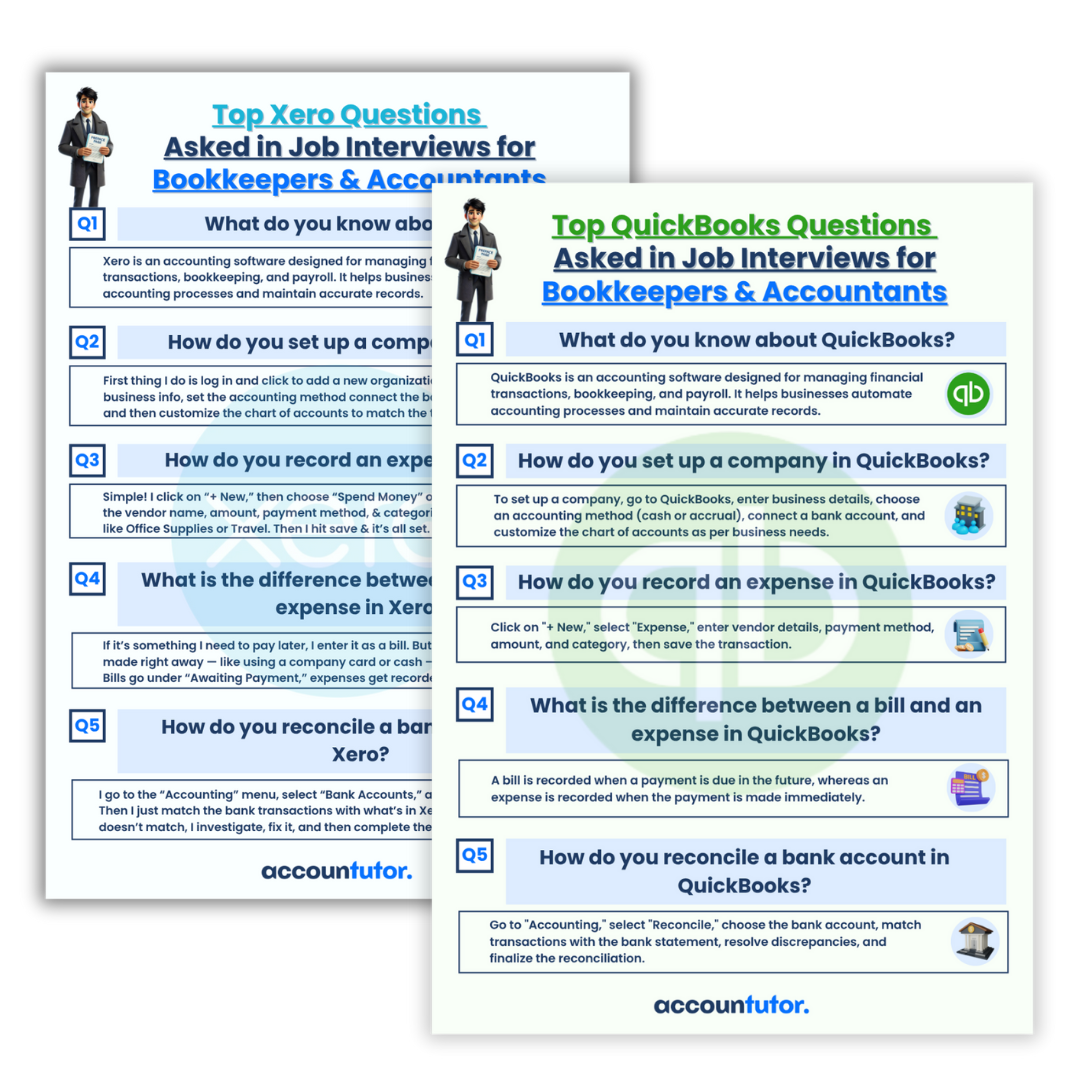
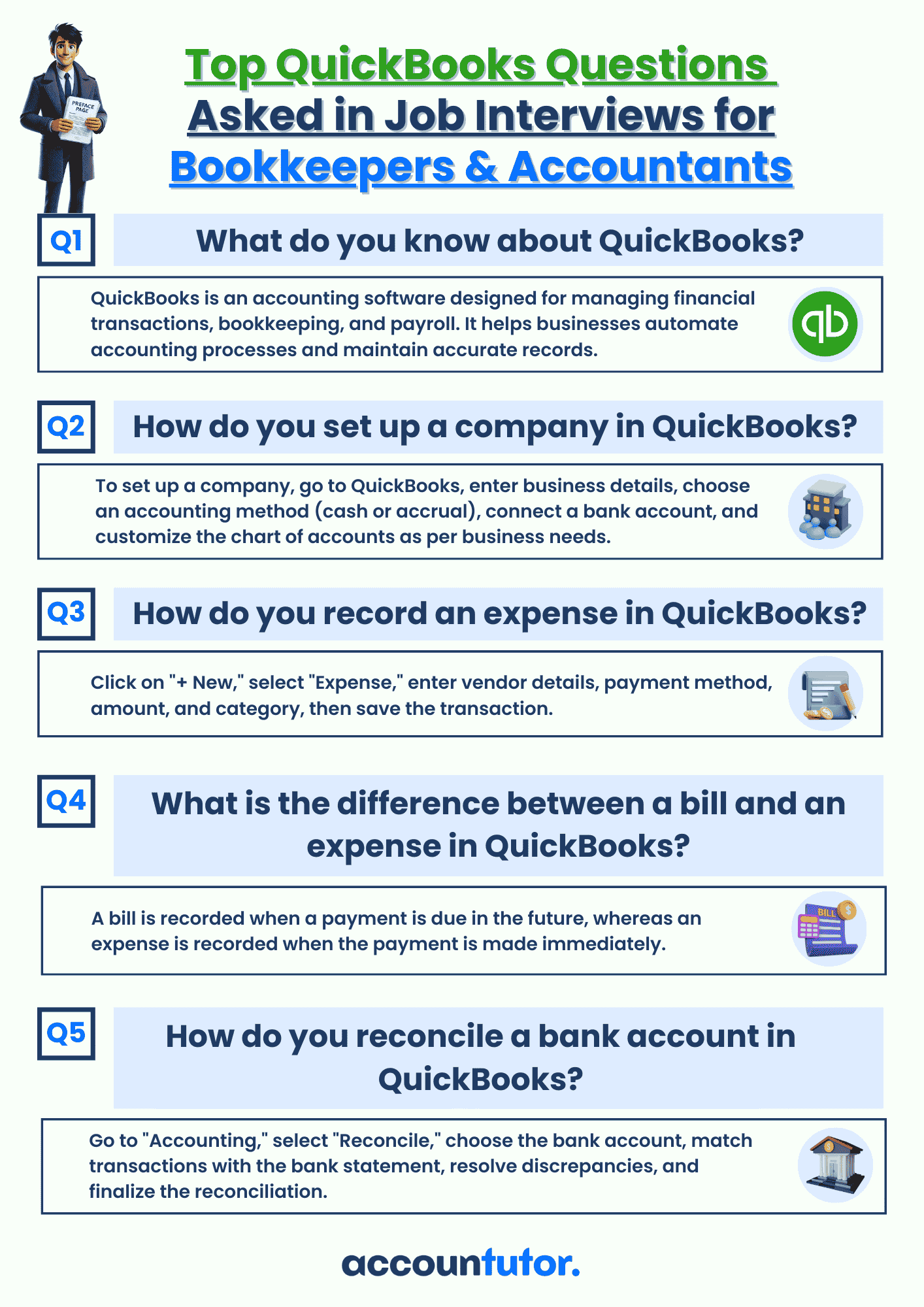
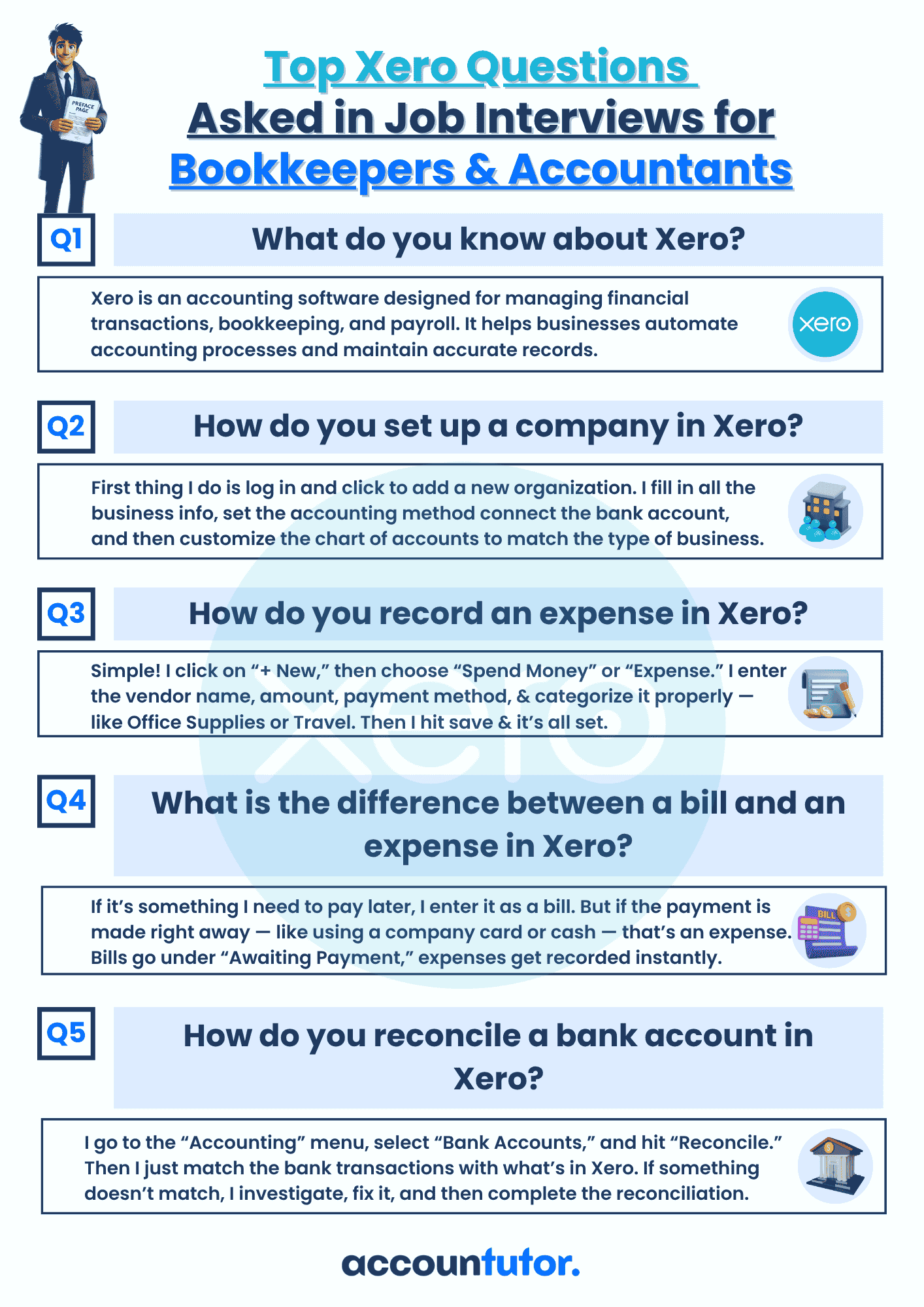
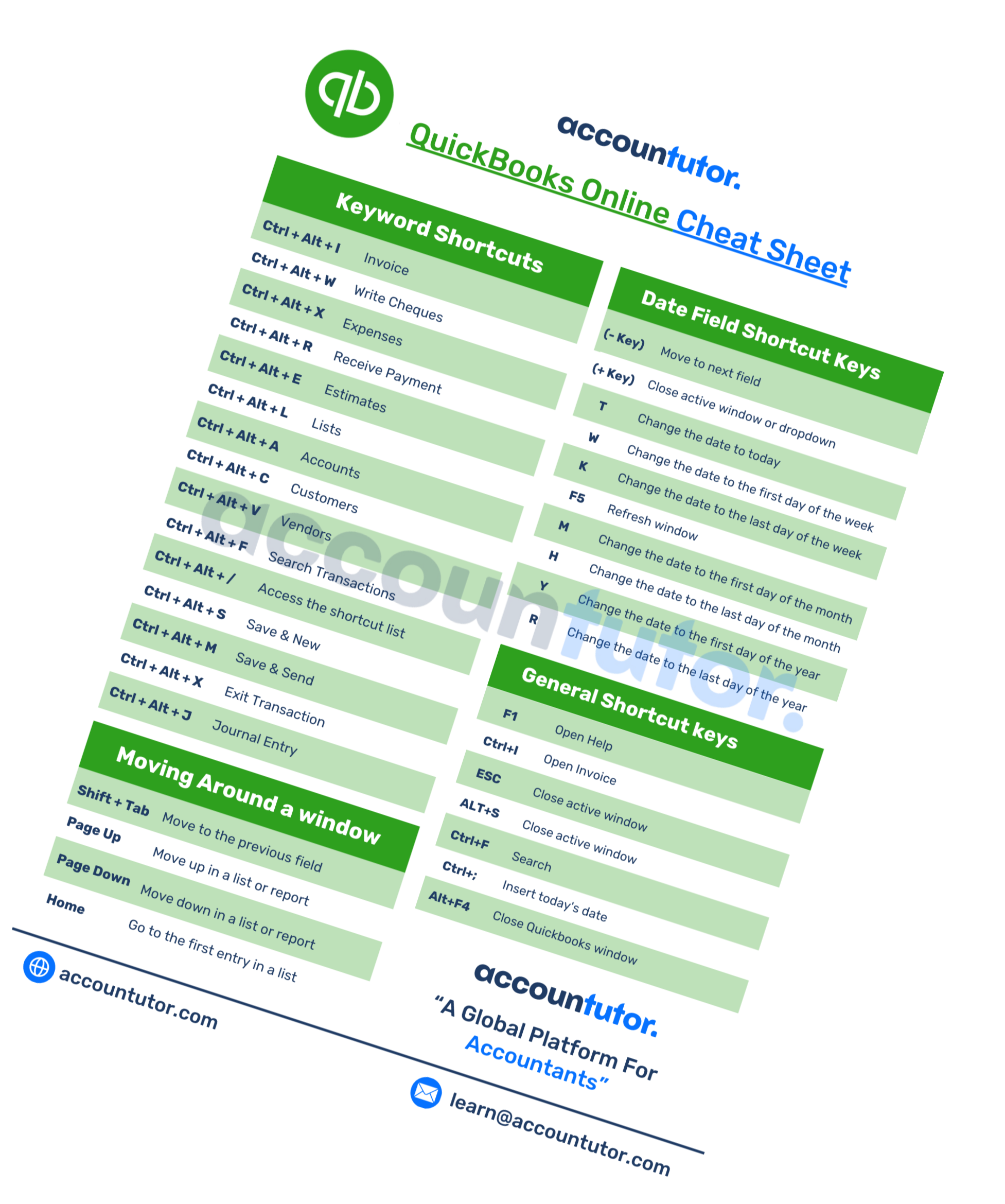
AI copilots prove incredibly useful alongside popular accounting platforms like QuickBooks Online and Xero. They can help you interpret reports, explain specific transactions, or generate summaries directly related to your software’s data. You don’t need advanced technical skills; just ask your question, and the AI will provide guidance.
Enhance Your Career with AI Copilots
Today’s successful financial professionals embrace smart tools like AI copilots. They complete tasks more efficiently, offer superior client service, and free up time for new opportunities. Integrating AI into your workflow is a strategic move for career advancement, allowing you to reduce stress and elevate the quality of your services.

Frequently Asked Questions (FAQs)
Q1: What exactly is an AI copilot in financial reporting?
An AI copilot in financial reporting is an artificial intelligence tool designed to assist finance professionals with various tasks. It can generate text, summarize information, answer questions, and automate routine processes, acting as a supportive assistant rather than a replacement.
Q2: Can AI copilots replace human bookkeepers or accountants?
No, AI copilots are tools to enhance human capabilities, not replace them. They automate repetitive tasks and provide insights, allowing bookkeepers and accountants to focus on more strategic analysis, client relationships, and complex problem-solving that require human judgment.
Q3: How can I ensure the accuracy of AI-generated financial data?
Always verify AI-generated content against your source data and professional knowledge. AI is a powerful assistant, but it can make mistakes. Treat its output as a draft or a guide, and apply your expertise to ensure accuracy and compliance.
Q4: Is it difficult to learn how to use an AI copilot for financial tasks?
Not at all! Many AI copilots, like ChatGPT, are designed with user-friendly interfaces. Learning to prompt them effectively takes a little practice, but resources and courses are available to help finance professionals quickly master their use for bookkeeping and accounting tasks.




Keywords: AI copilot, financial reporting, ChatGPT for finance, bookkeeping automation, accounting tools, financial technology, QuickBooks AI, Xero AI, best practices AI, finance efficiency