Are you a bookkeeper or accountant often feeling overwhelmed by a never-ending list of tasks? From meticulously recording journal entries to deciphering complex financial reports for clients and managing a constant stream of emails, the daily grind can be exhausting. What if a powerful tool could help you complete your work faster and with less effort, acting as your ever-present digital assistant?
That’s precisely where ChatGPT steps in. It’s not designed to replace your expertise but rather to augment your capabilities, offering quick and intelligent support around the clock. Imagine having a knowledgeable teammate ready to provide instant answers and streamline your workflow.

While the prospect of AI assisting with financial tasks might seem futuristic, ChatGPT is a practical reality. This advanced AI tool comprehends your queries and generates remarkably helpful responses. For financial professionals, it translates into real-world applications—from crafting journal entries to summarizing reports, composing professional emails, and even providing swift answers to common client inquiries.
Instead of manually handling every detail, you can leverage ChatGPT to reclaim valuable time and work with greater efficiency. Think of it as your intelligent partner, well-versed in accounting principles and always prepared to assist.
Streamlining Your Financial Tasks with ChatGPT
Let’s explore several practical ways ChatGPT can transform your daily bookkeeping and financial management duties.
1. Simplify and Accelerate Journal Entries
Creating journal entries used to demand careful consideration, especially when determining the correct debit and credit accounts. With ChatGPT, this process becomes remarkably simple. You can type a prompt like, “Create a journal entry for rent paid $1,200 on May 1st from the bank,” and receive the accurate entry in mere seconds. Whether it’s for rent, sales, payroll, or other transactions, you can complete your entries faster and with greater confidence.
2. Help Clients Understand Complex Reports
Many clients find financial reports intimidating and often prefer a straightforward overview rather than intricate details. Instead of spending extensive time explaining every line item, you can paste a report into ChatGPT and ask it to summarize the key points. It delivers a concise, easy-to-understand summary that you can readily share with clients. This approach simplifies your job and builds client confidence.
3. Draft Professional Emails Effortlessly
Email correspondence can be a significant time sink, particularly when you need to send reminders or follow-ups. ChatGPT helps you compose these emails in moments. Simply type a request such as, “Write a reminder email for missing receipts,” and it will generate a professional message for you. Whether you need a thank-you note, a deadline reminder, or a follow-up, you’ll always have the right words at your fingertips.
4. Answer Client Questions Swiftly
Clients frequently ask similar questions, like “Why is my profit less than my bank balance?” or “Do I need to keep every receipt?” Rather than crafting new answers repeatedly, you can utilize ChatGPT to formulate clear, succinct responses. You can even save these as templates for future use, saving you time and ensuring consistent, professional communication.
5. How to Use ChatGPT for Budgeting
Beyond daily transactional tasks, ChatGPT is an invaluable tool for financial planning. If you want to know how to use ChatGPT for budgeting, simply provide it with historical spending data or income details. You can ask it to help you create a personal or business budget, identify areas for cost reduction, or even forecast future cash flows. ChatGPT analyzes trends and provides actionable insights, making budget development much more accessible and efficient.
6. Seamless Integration with QuickBooks and Xero
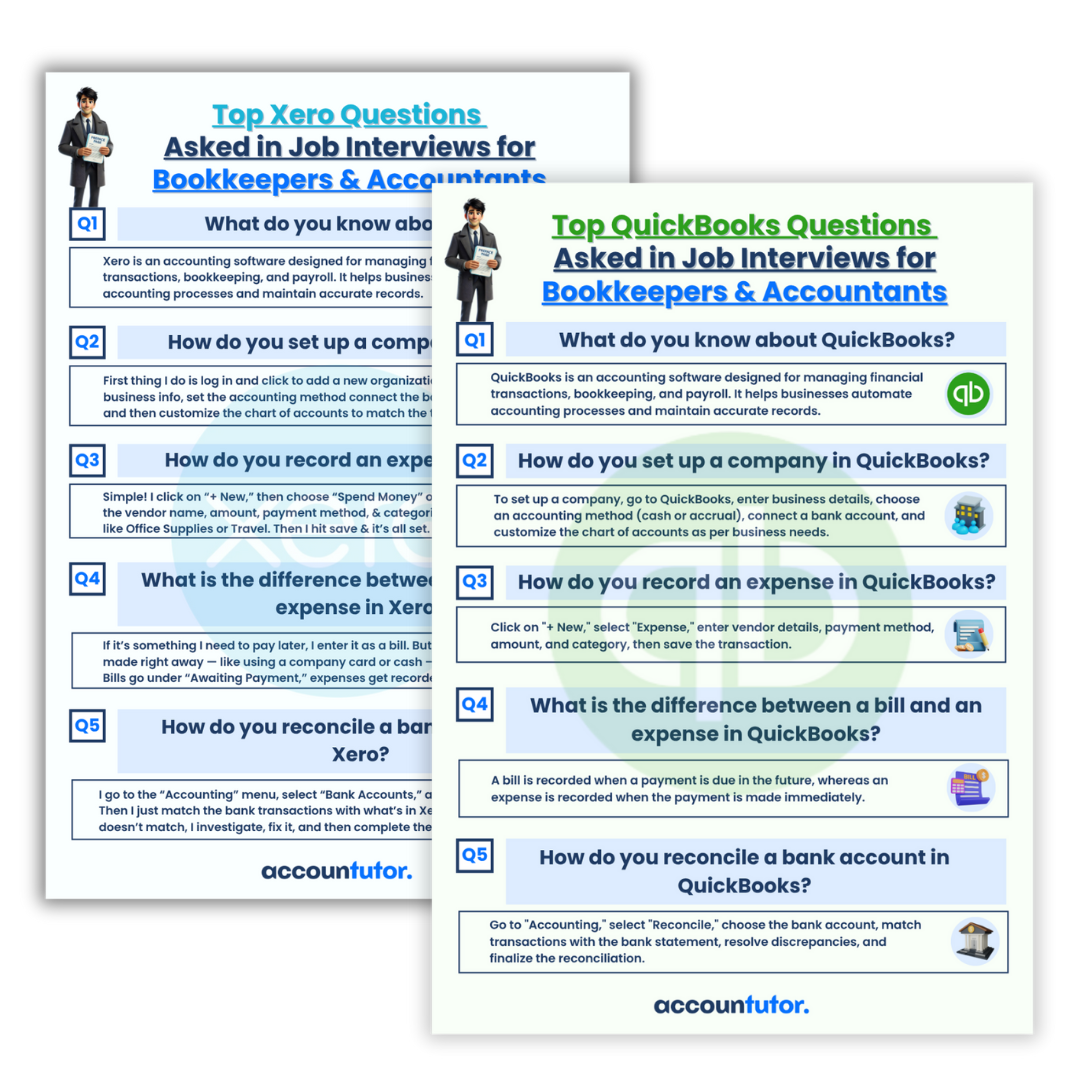
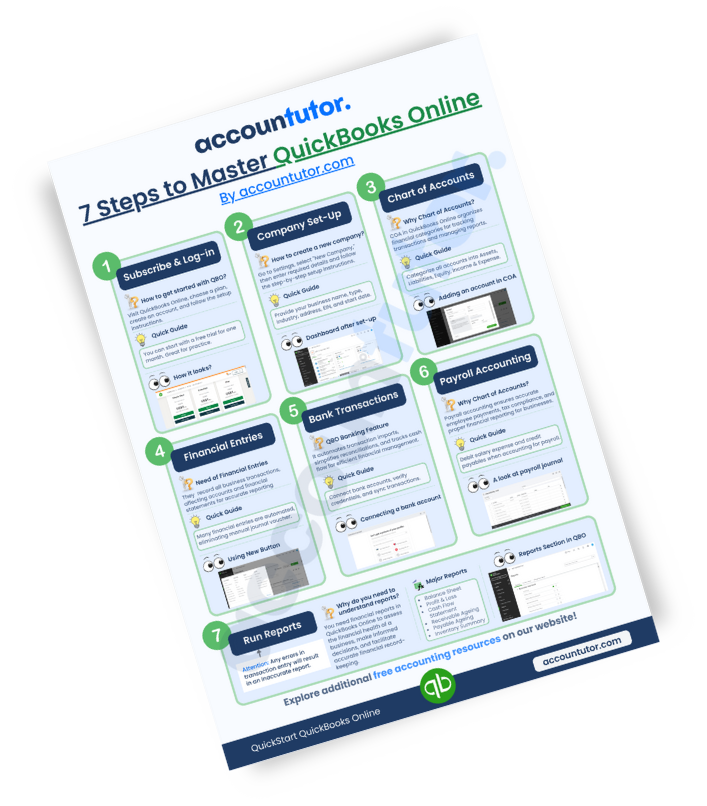
If you rely on QuickBooks Online or Xero for your bookkeeping, ChatGPT can be a powerful complement. It assists you in interpreting reports, explaining specific transactions, or generating summaries of your financial activities within these software platforms. You don’t need advanced technical skills; just ask your question, and ChatGPT will guide you through the complexities.
Become a Forward-Thinking Financial Professional
Today’s bookkeepers and accountants who embrace intelligent tools like ChatGPT truly distinguish themselves. They complete work more quickly, provide superior client support, and create more opportunities for career advancement. If you aim to elevate your professional journey, integrating ChatGPT into your toolkit is a strategic move. It promises to save you time, alleviate stress, and enable you to deliver exceptional service.
Frequently Asked Questions (FAQ)
Q1: Can ChatGPT completely replace a human bookkeeper or accountant?
No, ChatGPT is a tool designed to assist and enhance the work of bookkeepers and accountants, not replace them. It automates repetitive tasks and provides insights, allowing professionals to focus on higher-level analysis, strategic advice, and client relationships.
Q2: How accurate are ChatGPT’s financial suggestions?
ChatGPT’s accuracy largely depends on the quality and clarity of the prompts you provide. While it can offer highly relevant and accurate information, it’s crucial for financial professionals to review and verify any output, especially for critical decisions or client-facing reports, as AI can sometimes hallucinate or misinterpret complex financial nuances.
Q3: Is my financial data safe when used with ChatGPT?
When using ChatGPT, be cautious about entering sensitive client financial data directly into the public model, as this data may be used to train the AI. For confidential information, consider using enterprise-level AI solutions with stricter data privacy agreements or anonymize data before inputting it.
Q4: What kind of prompts should I use to get the best results for budgeting?
For budgeting, be specific. For example: “Analyze my average monthly expenses for the last six months (provide data) and suggest a realistic budget for groceries, utilities, and entertainment, aiming to save 15% of my income.” Or, “Based on my business revenue and operating costs (provide figures), create a projected cash flow budget for the next quarter, highlighting potential shortfalls.”
Q5: Can ChatGPT integrate directly with my accounting software?
Currently, ChatGPT (the public model) does not directly integrate with accounting software like QuickBooks or Xero. However, you can manually input data or summaries from these platforms into ChatGPT to ask questions, generate explanations, or create reports based on that information. Future API integrations might offer more direct connections.
Keywords: ChatGPT, budgeting, bookkeeping, AI for finance, financial planning, accounting automation, client communication, journal entries, financial reports, Xero, QuickBooks