The accounting profession is rapidly evolving, and artificial intelligence (AI) tools like ChatGPT are at the forefront of this transformation. Many accounting firms now rely on this powerful language model to enhance accuracy, automate routine tasks, and even tackle more complex challenges like data analysis and personalized client communication. Are you ready to discover how ChatGPT can revolutionize your firm’s operations?
Let’s explore 13 innovative ways to boost your efficiency and improve client services. Essentially, ChatGPT is a sophisticated large language model that you interact with through a simple chat interface. Unlike traditional software requiring specific commands, you communicate with ChatGPT using natural, conversational prompts. It acts as a versatile assistant, helping with tasks such as generating text, summarizing documents, personalizing client responses, assisting with research, proofreading, and brainstorming new ideas.
How ChatGPT Elevates Accounting Firms
Harnessing ChatGPT offers significant advantages for accounting firms. You can drastically reduce manual, repetitive tasks like drafting email replies or preparing initial financial reports. This automation frees up valuable time, allowing your team to focus on higher-value strategic work. For instance, ChatGPT can efficiently check discrepancies between invoiced amounts and purchase orders, streamlining a notoriously tedious process when you provide it with the right data and context.

Furthermore, ChatGPT significantly improves the client experience. It helps maintain a professional, consistent tone in all communications and enables quicker responses, which is especially beneficial during peak seasons. Your firm can deliver a more professional and responsive service, building stronger client relationships.
Finally, ChatGPT serves as an excellent tool for continuous learning and training. It can simplify complex concepts, provide hypothetical scenarios for analysis, and offer insights into specialized topics like forensic accounting or tax planning. This capability helps your team stay updated and enhance their expertise effortlessly.
13 Powerful Ways Accounting Firms Leverage ChatGPT
1. Craft Engaging Blog Posts
Use ChatGPT to brainstorm ideas, create outlines, check for grammar, and even suggest SEO improvements. Remember to provide specific prompts to ensure unique, authoritative content that truly connects with your audience.


2. Draft Personalized Client Emails
Generate customized emails quickly by providing ChatGPT with client details, the email’s purpose, and any specific calls to action. It delivers professional, yet casual drafts, saving you significant time.

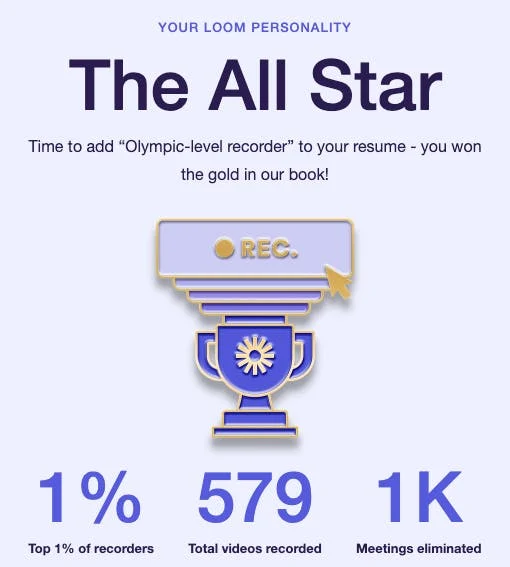
3. Transform Videos into SOPs
Convert Loom video transcripts into step-by-step Standard Operating Procedures (SOPs). Simply paste the transcript into ChatGPT and ask it to summarize and format it into a clear, actionable SOP.
4. Convert PDFs to Excel Data
Expedite data entry by copying text from PDFs into ChatGPT, instructing it to format the information into a table. With GPT-4, you can directly upload PDF files for an even smoother process.
5. Categorize Uncategorized Bank Transactions & Journal Entries
Let ChatGPT review transactions and suggest appropriate categories, dramatically speeding up bookkeeping. For those seeking advanced tips for AI software for journal entries, consider integrating ChatGPT into your workflow for initial classification and identifying patterns. This not only saves time but also enhances accuracy.

6. Create Engaging Social Media Posts
Leverage ChatGPT to craft compelling social media content tailored to your target audience. With billions on social media, establishing your firm’s online presence is crucial, and AI can help you generate fresh, relevant posts efficiently.


7. Summarize Meeting Notes
After recording and transcribing meetings, feed the text into ChatGPT to generate concise summaries. It quickly extracts key decisions, action items, and important discussion points, ensuring everyone stays on the same page.

8. Resolve Excel Formula Issues
If you forget a complex Excel formula, describe your task to ChatGPT, and it will provide step-by-step instructions. This feature significantly accelerates your financial reporting process.


9. Streamline Market Research
Drastically reduce research time by having ChatGPT summarize reports, answer questions, generate insights from data, and recommend resources. You can even perform competitor analysis by feeding it relevant financial reports and news articles.


10. Design Effective Email Signatures
Utilize ChatGPT to brainstorm compelling calls to action and design an email signature that subtly advertises your accounting firm. This often-overlooked space can become a powerful marketing tool.


11. Develop Stronger Case Studies
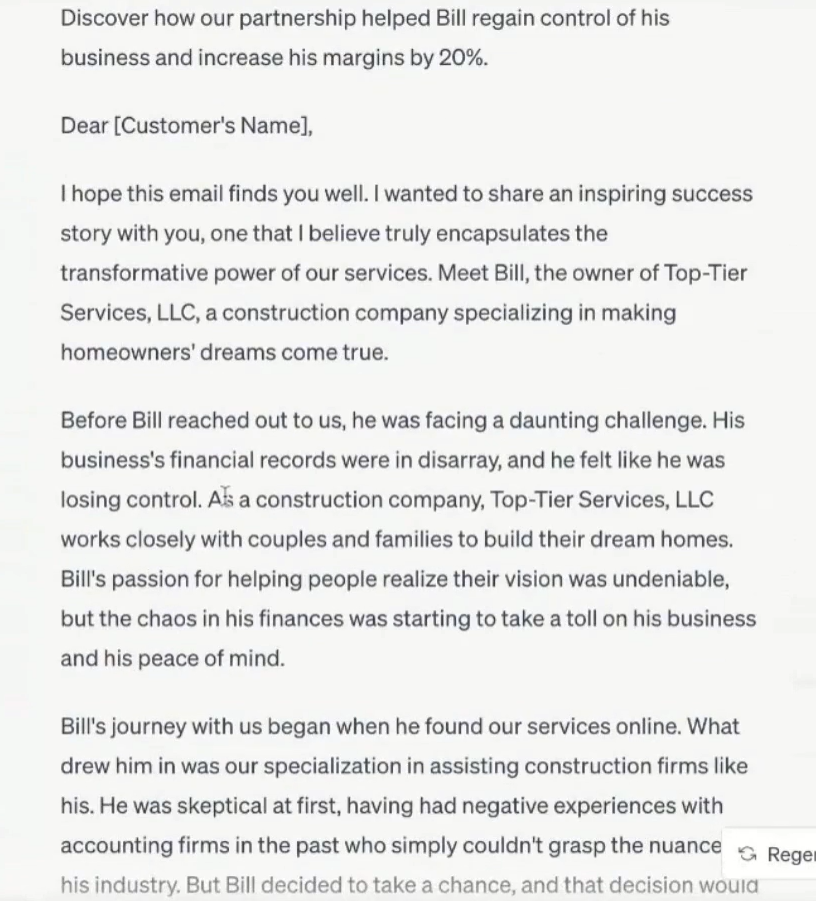
Create impactful client case studies with ChatGPT’s assistance. Provide details about client challenges and your firm’s solutions, and ChatGPT will help you craft narratives that showcase your value effectively.
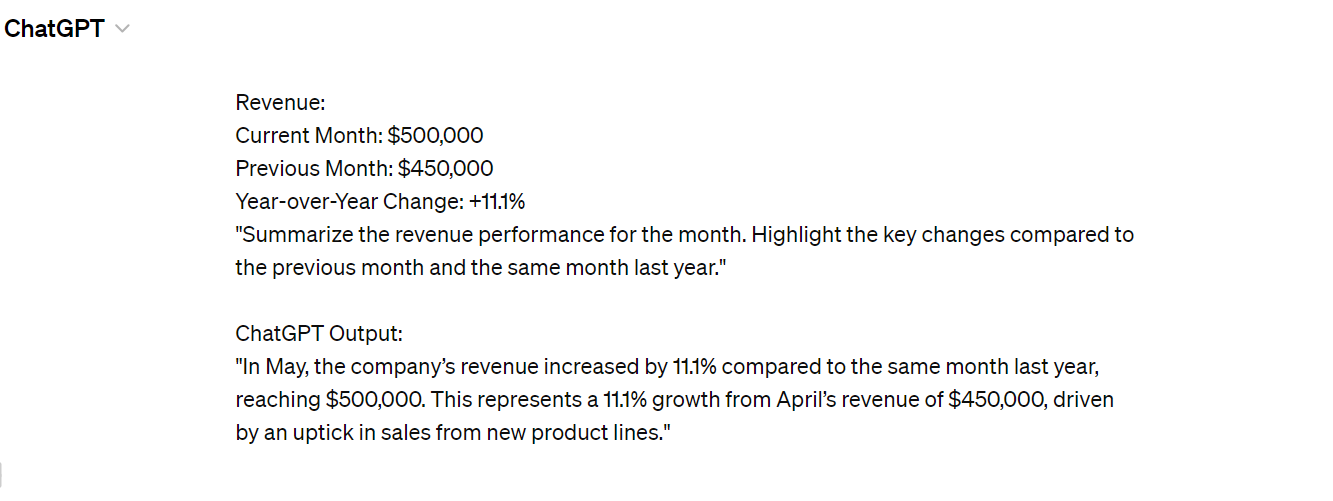
12. Summarize Monthly Executive Reports
Streamline the creation of monthly executive summaries by feeding organized data into ChatGPT. Remember to anonymize sensitive information and specify the desired tone and length for concise, professional reports.
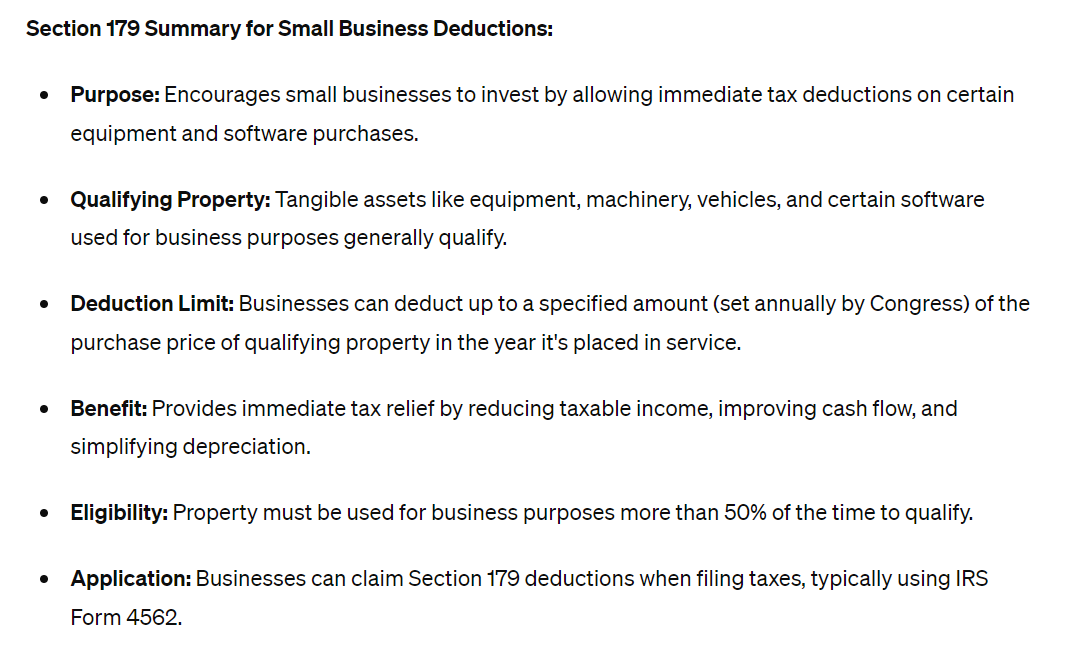
13. Simplify Complex Tax Regulations
Ask ChatGPT to interpret and summarize intricate tax regulations, making them easier to understand and apply. It can also assist with tax computations, significantly simplifying complex calculations.
Understanding the Risks of Using ChatGPT in Accounting
While ChatGPT offers incredible potential, it’s essential to be aware of the risks. A primary concern is the potential for AI errors. Despite its advanced capabilities, ChatGPT can make mistakes, and without careful human oversight, these inaccuracies might go unnoticed, leading to significant issues.

Another risk is the generation of generic results. Without precise and detailed prompts, ChatGPT often produces bland, ‘cookie-cutter’ content that fails to capture your firm’s unique voice or truly engage your audience. While it saves time, always refine its output to ensure it meets your specific needs.
Finally, data security remains a critical concern. Inputting sensitive financial data or confidential client information into AI models like ChatGPT carries inherent risks. Always anonymize or generalize sensitive data to protect privacy and comply with data protection regulations.
Frequently Asked Questions About AI in Accounting
Q: Can ChatGPT fully automate all accounting tasks?
A: No, ChatGPT cannot fully automate all accounting tasks. While it excels at repetitive data processing, drafting, and analysis, human judgment, oversight, and strategic thinking remain indispensable for complex financial decisions and client relationships.
Q: How can I ensure data security when using ChatGPT for accounting?
A: To ensure data security, avoid inputting sensitive or personally identifiable client information directly into ChatGPT. Instead, anonymize data, use generalized prompts, and always review outputs for accuracy and privacy compliance before using them.
Q: Is ChatGPT suitable for small accounting firms?
A: Absolutely! Small accounting firms can greatly benefit from ChatGPT by using it to streamline administrative tasks, generate marketing content, and simplify research, allowing them to operate more efficiently and compete effectively with larger firms.
Q: What are some advanced tips for AI software for journal entries?
A: For advanced journal entry management, use AI to automate transaction categorization, identify anomalies, and even draft initial entries based on predefined rules. You can also leverage AI to reconcile accounts, detect potential fraud by analyzing patterns, and generate compliance reports more efficiently.
Keywords: ChatGPT accounting, AI for finance, accounting automation, journal entry software, client communication AI, financial reporting AI, tax regulation AI, accounting firm efficiency, AI productivity tools, small business accounting AI