In the fast-paced world of accounting and bookkeeping, professionals often find themselves juggling multiple tasks. From meticulous journal entries and comprehensive report explanations to drafting professional emails and answering client queries, the daily grind can feel overwhelming. But what if a smart assistant could help you streamline these responsibilities, allowing you to work more efficiently and reduce stress? That’s where ChatGPT steps in.

What is ChatGPT and Why Should Bookkeepers Care?
ChatGPT is an advanced AI tool designed to understand and generate human-like text. For bookkeepers and accountants, this means it can act as a powerful assistant, ready to help with various daily tasks. It’s not about replacing your expertise but augmenting it, enabling you to save valuable time and enhance your service.
Think of ChatGPT as your always-on virtual colleague, providing quick answers and intelligent assistance whenever you need it. This innovative technology allows you to automate repetitive tasks, freeing you up to focus on more strategic financial analysis and client relationships.
Streamlining Your Bookkeeping Tasks with ChatGPT
1. Effortless Journal Entries
Creating accurate journal entries often demands careful thought and adherence to debit and credit rules. With ChatGPT, this process becomes remarkably simple. You can prompt it with a description like, ‘Create a journal entry for $1,200 rent paid on May 1st from the bank,’ and it quickly provides the correct entry.
This means you can handle various transactions—from sales and payroll to expenses—with greater speed and confidence. ChatGPT acts as a reliable guide, minimizing errors and speeding up your daily record-keeping.
2. Simplifying Financial Reports for Clients
Many clients struggle to understand complex financial reports, often preferring a concise overview rather than intricate details. Instead of spending extensive time explaining every line item, use ChatGPT to summarize the key takeaways. Just paste the report and ask it to highlight the main points.
The AI generates simple, easy-to-understand summaries you can share directly with clients. This approach not only saves you time but also helps clients feel more informed and confident in your financial guidance.
3. Drafting Professional Emails in Seconds
Writing professional emails, especially follow-ups or reminders, can consume a significant part of your day. ChatGPT can draft these communications for you almost instantly. Simply provide a brief instruction, such as, ‘Write a reminder email for missing receipts,’ and receive a polished draft.
Whether you need a thank-you note, a deadline reminder, or a detailed follow-up, ChatGPT ensures you always have the right words at your fingertips. This frees up your mental energy for more complex tasks.
4. Answering Client Questions Quickly and Consistently
Clients frequently ask similar questions, like ‘Why is my profit different from my bank balance?’ or ‘Do I really need to keep every receipt?’ Instead of crafting a new response each time, leverage ChatGPT to generate clear, consistent answers.
You can even save these AI-generated responses as templates for future use, ensuring quick and professional communication. This strategy improves client satisfaction and significantly boosts your efficiency.
5. Seamless Integration with QuickBooks and Xero
If you utilize popular accounting software like QuickBooks Online or Xero, ChatGPT can become an invaluable companion. It assists in interpreting reports, explaining transaction specifics, or summarizing software activities. You don’t need to be a tech guru; just ask your questions, and ChatGPT provides helpful insights.
Your Checklist for ChatGPT for Tax Preparation
While ChatGPT excels in bookkeeping, it also offers substantial support for tax preparation, acting as a powerful organizational and preliminary analysis tool. Remember, it’s a tool for assistance, not a substitute for professional tax advice or legal counsel.
Here’s a simple checklist to guide your use of ChatGPT for tax preparation support:
- Data Organization and Categorization: Ask ChatGPT to help you categorize transaction lists from your bookkeeping software into tax-relevant categories (e.g., deductible expenses, income types).
- Drafting Explanations: Use it to draft clear explanations for complex transactions or unusual entries that might need clarification during tax filing.
- Identifying Potential Deductions (General): Prompt ChatGPT for general information on common deductions for your business type. Always cross-reference this with official tax guidelines or a qualified tax professional.
- Summarizing Financial Statements: Request concise summaries of your profit & loss statements or balance sheets, highlighting figures relevant to tax forms.
- Reviewing for Missing Information: While not foolproof, ChatGPT can help you create lists of common documents needed for tax filing, prompting you to check for missing receipts or statements.
Always verify any information generated by AI with official tax regulations and consult with a tax professional before making final tax decisions.
Become a Future-Ready Accounting Professional
Today’s most sought-after bookkeepers and accountants embrace smart tools like ChatGPT. They complete tasks faster, serve clients better, and open doors to new opportunities. Integrating AI into your workflow positions you at the forefront of the industry.
By adopting these advanced tools, you reduce daily stress, improve accuracy, and deliver superior service. Investing in AI literacy is an investment in your career growth and professional confidence.
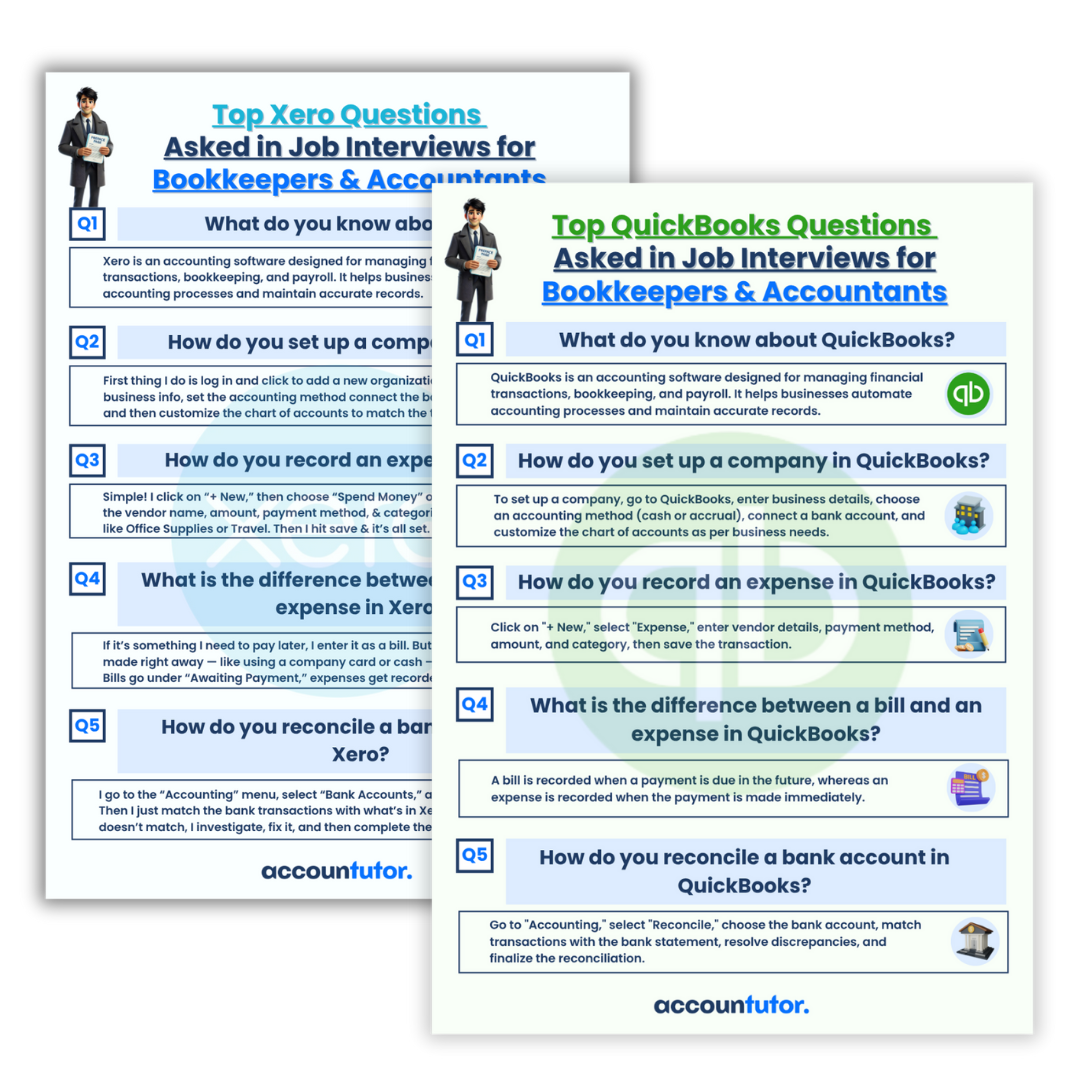
For those looking to deepen their expertise, resources like Accountutor.com offer courses on ‘ChatGPT for Bookkeepers and Accountants.’ They also provide practical guides, such as a PDF with QuickBooks & Xero Accounting interview questions, designed to boost your confidence in job interviews. 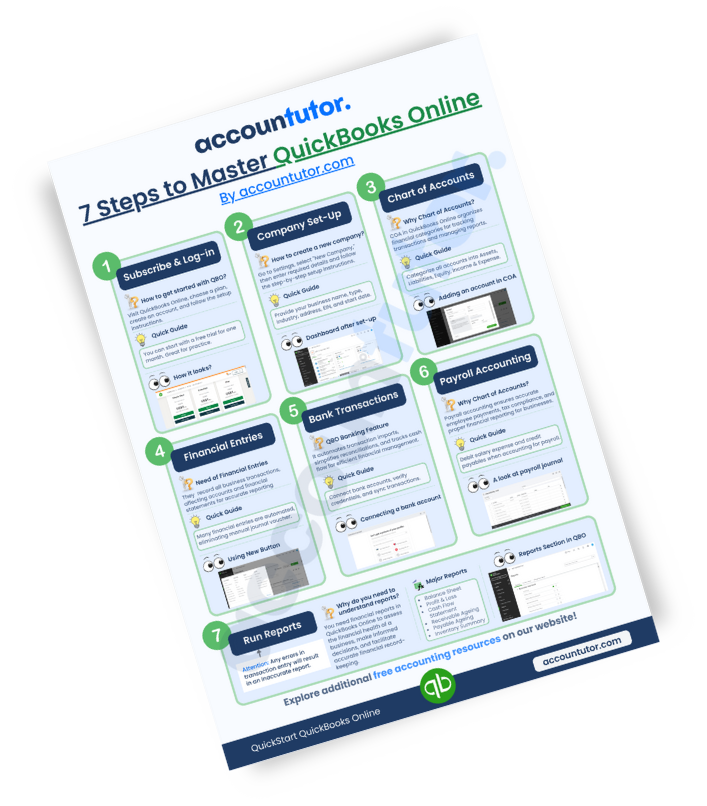
Frequently Asked Questions (FAQ)
Q1: Can ChatGPT replace a human bookkeeper or accountant?
No, ChatGPT is a powerful assistant, not a replacement. It automates routine tasks, helps with data organization, and drafts communications. However, human judgment, ethical decision-making, and understanding complex financial nuances remain indispensable.
Q2: Is ChatGPT secure for handling sensitive financial data?
When using ChatGPT, avoid inputting highly sensitive or confidential client data directly into public AI models. Always anonymize data or use enterprise-level AI solutions with robust data privacy agreements. Prioritize data security and client confidentiality at all times.
Q3: How accurate is ChatGPT for financial calculations or advice?
ChatGPT can perform calculations and provide general information, but it’s prone to ‘hallucinations’ or providing incorrect data. Always verify any figures, journal entries, or advice it generates against reliable sources and your professional judgment. It is not a financial advisor.
Q4: What’s the best way to get accurate results from ChatGPT for bookkeeping?
To get the best results, use clear, specific, and detailed prompts. Provide context, examples, and specify the desired output format. The more precise your instructions, the more accurate and useful ChatGPT’s responses will be.
Q5: How can ChatGPT help with tax preparation specifically?
ChatGPT assists with tax preparation by organizing financial data, categorizing expenses, drafting explanations for auditors, and summarizing financial statements. It helps prepare the groundwork, but a qualified tax professional must always review and file the final tax returns.
Keywords: ChatGPT for bookkeeping, AI in accounting, tax preparation checklist, accounting automation, financial reporting AI, journal entries with AI, client communication AI, QuickBooks ChatGPT, Xero ChatGPT, future of accounting