Are you a bookkeeper or accountant juggling endless tasks? From meticulously recording journal entries to deciphering complex reports for clients and managing a flood of emails, the daily grind can feel overwhelming. But what if a powerful digital assistant could help you conquer these demands, freeing up your valuable time? This is where AI chatbots, like ChatGPT, come into play, not as replacements, but as indispensable tools.
Imagine having a 24/7 personal assistant ready to provide instant answers and streamline your workflow. That’s the promise of an AI chatbot for financial professionals. It’s designed to help you work faster, more efficiently, and with greater confidence.

Understanding AI Chatbots in Finance
An AI chatbot is a sophisticated artificial intelligence tool that comprehends natural language inputs and delivers intelligent, relevant responses. For bookkeepers and accountants, this means practical assistance with actual work. It’s like having an expert colleague who understands accounting principles and is always available to lend a hand, helping you save time and simplify complex processes.
Revolutionizing Bookkeeping Tasks with AI
1. Simplify and Accelerate Journal Entries
Gone are the days of laboring over debit and credit decisions. With an AI chatbot, you can simply describe a transaction, like, “Create a journal entry for $1,200 rent paid on May 1st from the bank.” The AI will instantly generate the correct entry. This capability applies to various transactions, from sales and payroll to general expenses, ensuring accuracy and speed.
2. Clarify Financial Reports for Clients
Most clients want simple explanations, not intricate details, from their financial reports. Instead of spending extensive time breaking down figures, you can paste a report into the chatbot and request a summary of the key takeaways. It will provide a concise, easy-to-understand explanation that boosts client confidence and streamlines your communication efforts.
3. Draft Professional Emails Effortlessly
Composing professional emails, especially reminders or follow-ups, can be time-consuming. An AI chatbot can draft these communications in seconds. Just input a request such as, “Write a reminder email for missing receipts,” and it will generate a polished message. Whether it’s a thank-you note, a deadline alert, or a follow-up, you’ll always have the perfect words at your fingertips.
4. Respond to Client Questions Swiftly
Clients frequently ask similar questions, like “Why is my profit different from my bank balance?” or “Do I need to keep every receipt?” Instead of crafting unique answers each time, you can leverage an AI chatbot to create clear, concise responses. You can even save these as templates for future use, ensuring consistent, professional, and rapid client service.
5. Seamless Integration with Accounting Software
If you utilize popular accounting platforms like QuickBooks Online or Xero, an AI chatbot becomes an invaluable companion. It can help you interpret reports, explain specific transactions, or summarize overall financial activity within your software. You don’t need to be a tech guru—simply ask your question, and the chatbot will provide guidance.
Beyond Bookkeeping: Advanced Tips for AI Chatbot for Budgeting
While AI chatbots excel at bookkeeping, their utility extends powerfully into personal and business budgeting. Applying an AI chatbot to your budgeting process can transform how you manage finances, offering deeper insights and more effective planning. This is where advanced tips for AI chatbot for budgeting truly shine, moving beyond basic data entry to strategic financial forecasting.
Use your AI chatbot to analyze past spending patterns, identifying areas where you can cut costs. You can feed it your transaction data (anonymized, of course) and ask for suggestions on reducing unnecessary expenses. It can help you categorize spending, forecast future cash flows, and even model different financial scenarios to see how various decisions impact your budget.
Furthermore, an AI chatbot can assist in setting realistic financial goals and tracking your progress. Prompt it to create a weekly or monthly budget based on your income and desired savings, then regularly update it with your actual expenditures to receive feedback on your performance. This proactive approach ensures you stay on track towards your financial objectives.
Elevate Your Financial Skills Today
Today’s leading financial professionals embrace smart tools like AI chatbots. They complete tasks more quickly, provide superior client service, and carve out time for new opportunities. Integrating AI into your workflow is a strategic move for career advancement.
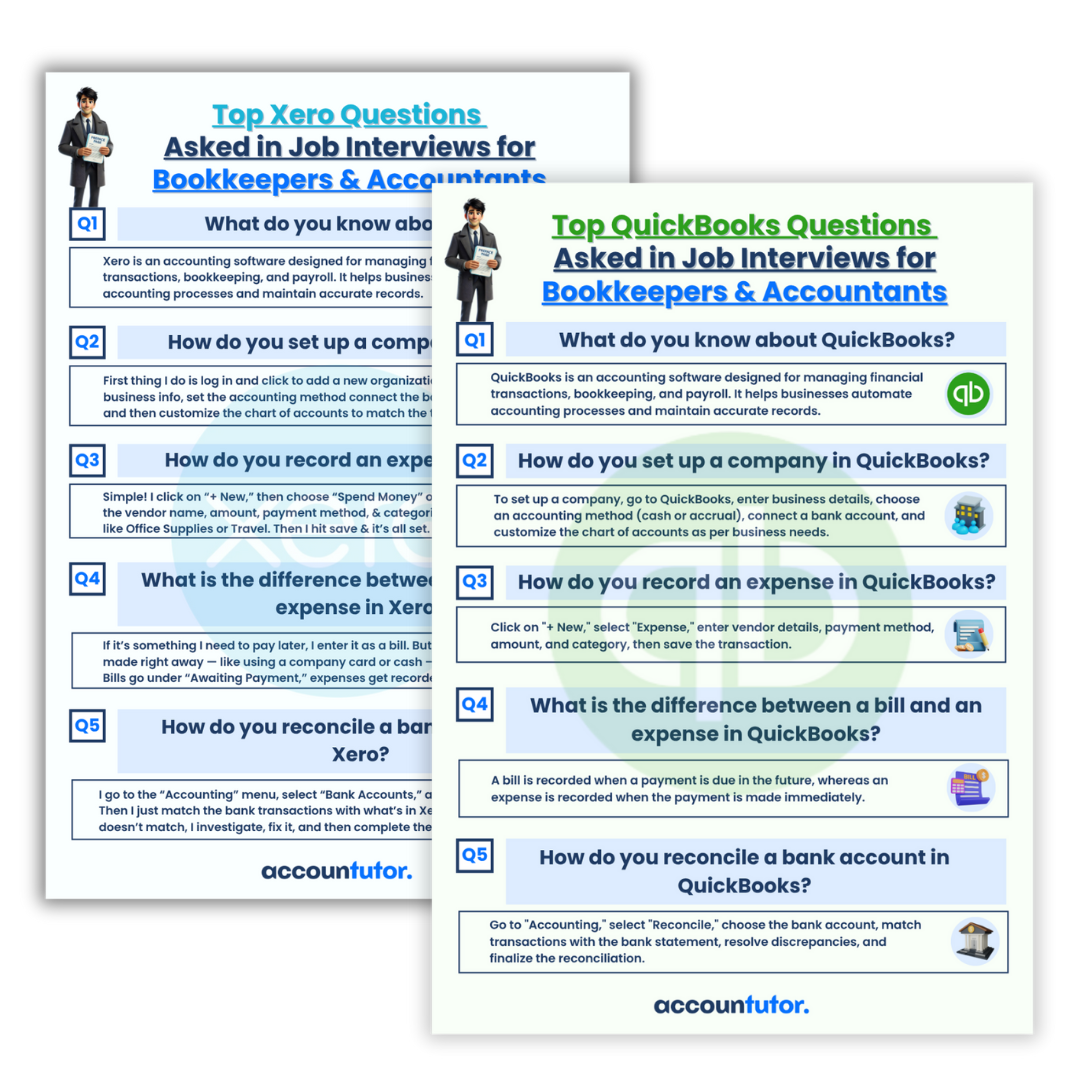
Harnessing AI saves you time, reduces stress, and empowers you to deliver exceptional value. Platforms like Accountutor.com offer specialized courses, such as ‘ChatGPT for Bookkeepers and Accountants’, designed to teach you how to leverage these tools effectively with practical prompts and real-world examples.

Frequently Asked Questions (FAQ)
Q: What exactly is an AI chatbot in the context of bookkeeping?
A: An AI chatbot is an artificial intelligence program that understands text commands and provides helpful, relevant responses for financial tasks. It acts as a digital assistant for bookkeepers and accountants, automating routine tasks and providing quick insights.
Q: Can an AI chatbot replace a human bookkeeper or accountant?
A: No, an AI chatbot is a tool designed to assist and enhance the work of financial professionals, not replace them. It handles repetitive tasks, provides information, and helps with efficiency, allowing humans to focus on more complex analysis and strategic decision-making.
Q: How can an AI chatbot help with journal entries?
A: You can simply describe a financial transaction to the chatbot, and it will instantly generate the correct debit and credit entries. This simplifies the process and reduces the chances of error, making journal entries much faster.
Q: Is it safe to use an AI chatbot with sensitive client financial data?
A: Always exercise caution with sensitive data. When using a public AI chatbot like ChatGPT, avoid inputting confidential client information directly. Instead, rephrase data or use anonymized details for queries. Specialized, secure AI tools for finance may offer better data protection.
Q: What are some advanced tips for using an AI chatbot for budgeting?
A: Beyond basic budgeting, use an AI chatbot to analyze your spending trends, identify cost-saving opportunities, forecast future cash flows, and model different financial scenarios. It can also help you set specific financial goals and track your progress against them, offering proactive advice to stay on budget.
Q: Can AI chatbots integrate with existing accounting software like QuickBooks or Xero?
A: Yes, AI chatbots can be incredibly helpful when used alongside QuickBooks Online or Xero. They can assist in interpreting reports generated by these platforms, explain specific transactions, or provide summaries of your financial data, simplifying the use of these tools.

Keywords: AI in finance, AI for bookkeepers, ChatGPT for accounting, budgeting with AI, financial management AI, bookkeeping automation, QuickBooks AI, Xero AI, client communication AI, financial reporting AI