Unlocking Efficiency: How Generative AI Transforms Accounting Practices
Generative AI, especially tools like ChatGPT, has rapidly become an indispensable asset in the accounting world. Many professionals now leverage these powerful AI models to ensure compliance, automate routine tasks, and even handle complex processes such as data analysis and personalized client communications.
This article explores various ways accounting firms can utilize ChatGPT to significantly boost their operational efficiency. We’ll delve into its capabilities, benefits, and practical applications, offering a comprehensive look at this transformative technology.
What Exactly is ChatGPT?
ChatGPT stands as a robust large language model that you interact with through a simple chat interface. It’s renowned as one of the most widely used AI tools across finance and accounting teams. Unlike traditional software that relies on rigid commands, ChatGPT allows for casual, conversational prompts.
It excels at automating a variety of manual and repetitive tasks. These include generating text for client emails, summarizing lengthy documents, personalizing responses to client inquiries, assisting with research on regulatory updates, proofreading texts for improvements, and brainstorming new ideas for marketing or industry trends.
How ChatGPT Can Empower Accounting Firms
Integrating ChatGPT into your firm offers several distinct advantages. It helps streamline operations, enhance client interactions, and even supports continuous learning within your team.

1. Reducing Manual Workloads
ChatGPT can take on numerous tedious tasks, freeing up your team for more strategic work. This includes drafting email replies, analyzing journal entries, writing blog posts, or even preparing components of financial reports.
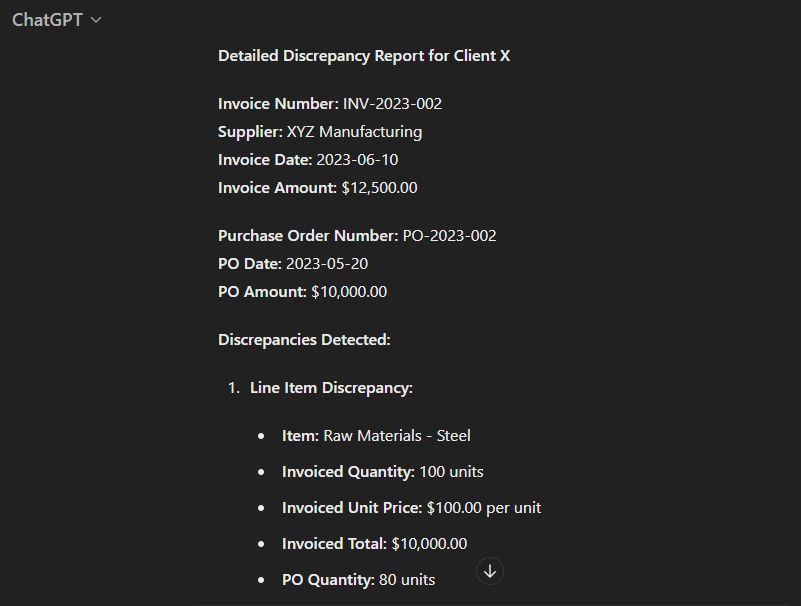
For instance, it can quickly identify discrepancies between invoiced amounts and purchase orders. By providing the right data and context, ChatGPT efficiently analyzes financial information in mere seconds, making complex tasks simpler and less prone to human error.
2. Enhancing Client Experience
ChatGPT proves to be a valuable asset in elevating your client interactions. It ensures uniform and professional responses, adding consistency to your firm’s communications.
Moreover, it can generate responses in seconds, which is incredibly beneficial during peak seasons. You can use it to draft professional emails, as demonstrated in this example of replying to a client query.
While it might need slight adjustments at times, ChatGPT significantly contributes to a better customer experience.
3. Supporting Training and Continuous Learning
Staying updated with new concepts, evolving regulations, and emerging technologies in the accounting industry can be challenging. Fortunately, ChatGPT offers robust support for continuous learning.
It excels at providing clear explanations and examples for complex concepts, helping enhance comprehension. You can also generate hypothetical scenarios or case studies for analysis, or explore specialized topics like forensic accounting or tax planning strategies.
Practical Applications of ChatGPT in Accounting Firms
Let’s dive into specific ways your accounting firm can leverage ChatGPT’s capabilities.
1. Crafting Engaging Blog Posts
ChatGPT can assist in creating informative blog posts for your accounting firm. Instead of relying on it for entire articles, use it to brainstorm ideas, create outlines, check for grammar, and even get SEO suggestions.
Remember to use specific prompts to achieve the best results and avoid generic content. A detailed prompt, like one asking for an authoritative yet conversational tone with actionable business advice, yields far superior output.


This tailored approach helps create a more distinctive writing style that genuinely connects with your readers.
2. Drafting Personalized Client Emails
Firm owners can rely on ChatGPT to draft personalized emails for clients. By setting up prompts that include client details, industry, email purpose, and specific concerns or calls to action, you get a quick draft.
A simple prompt like, “Write an email reminder to a client about an upcoming quarterly tax return deadline, ensuring it’s professional yet casual,” will generate an editable draft in seconds.

3. Transforming Loom Videos into SOPs
Loom videos are excellent for quick explanations, but converting them into Standard Operating Procedures (SOPs) is even better. Simply copy and paste the transcript from a Loom video into ChatGPT.
Then, ask it to summarize the content into a step-by-step SOP. This clever use of AI saves immense time in documentation.

4. Converting PDF Data to Excel
Traditionally, extracting data from PDFs into Excel is a time-consuming manual effort. ChatGPT streamlines this process significantly. You can copy and paste data from PDFs directly into ChatGPT and instruct it to format the information into a table, ready for Excel.
With the advent of GPT-4, you can now upload PDF files directly, making the experience even more seamless and convenient.
5. Classifying Uncategorized Bank Transactions: A Step-by-Step Guide to Generative AI for Bank Reconciliation
Generative AI, like ChatGPT, can revolutionize how you handle bank reconciliation by quickly reviewing transactions and suggesting categories. This dramatically speeds up bookkeeping and improves accuracy.
Here’s a step-by-step guide to generative AI for bank reconciliation regarding transaction classification:
- Input Transactions: Begin by entering your uncategorized bank transactions into the ChatGPT chatbox. Provide details like date, amount, and a brief description.
- Request Categorization: Ask ChatGPT to review and suggest appropriate categories for these transactions. For example, you might type: “I need help categorizing these business expenses. Please suggest categories for: Date: May 15 2024, Amount: $45.00, Description: Office Depot – Printer Ink.”
- Review and Adjust: ChatGPT will provide its suggested categories. Carefully review these suggestions, accepting them if accurate or making necessary adjustments based on your specific accounting needs.
- Update Records: Finally, update your accounting records with the classified transactions. This process saves significant time and enhances the precision of your financial data.

6. Crafting Social Media Posts
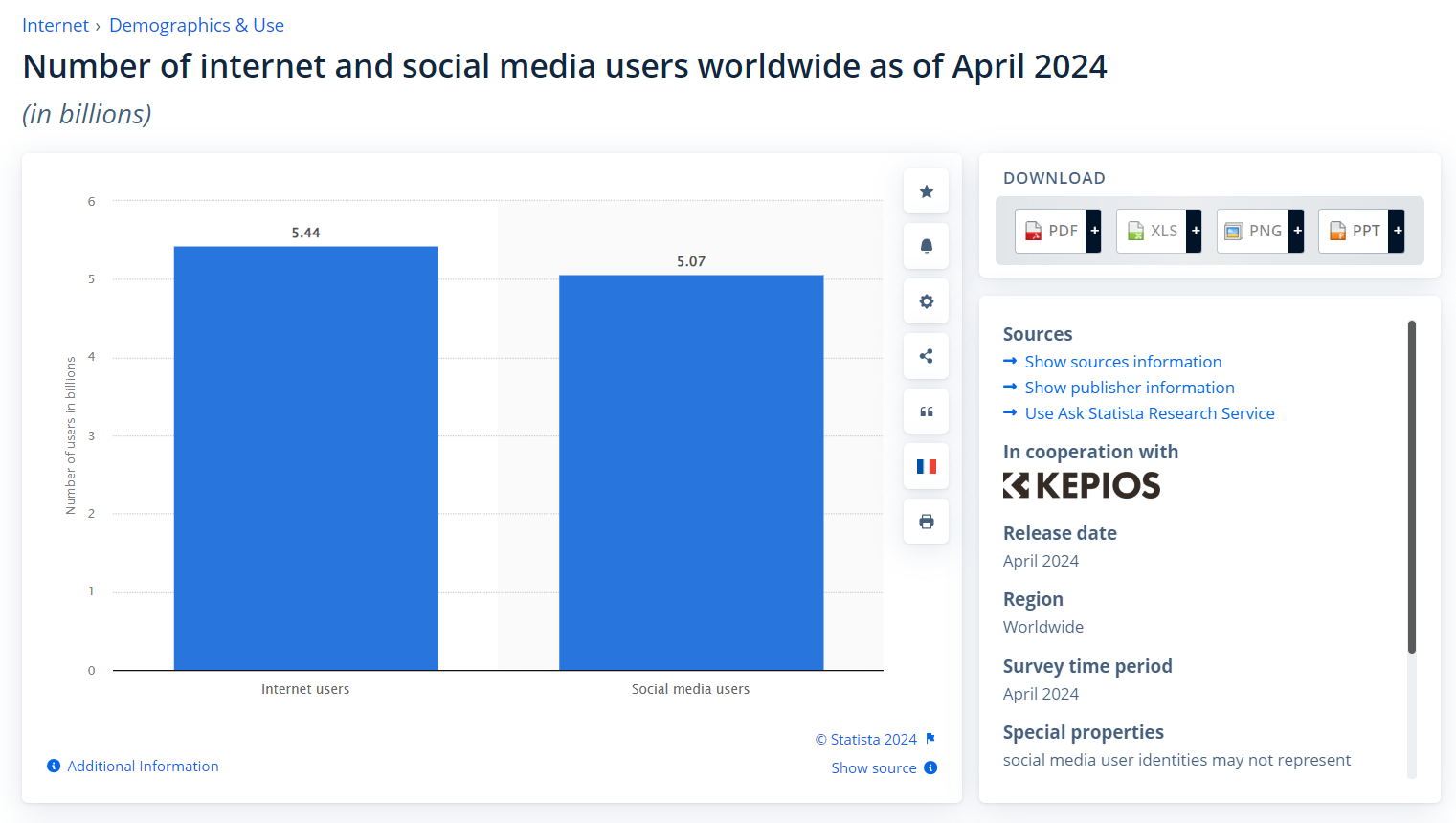
Building an online presence is crucial, and social media offers a vast audience with billions of users. ChatGPT can help you create engaging, relevant social media posts tailored to your target audience.
You can fine-tune prompts, tone, and other aspects to achieve the best results, although some minor editing of the AI-generated content will likely always be necessary.

7. Summarizing Meeting Notes
ChatGPT is excellent for condensing lengthy meeting notes into concise summaries. First, record your meeting using a tool with transcription capabilities, like Loom, or use a transcription service.
Once you have the text, input it into ChatGPT with a prompt like, “Summarize the following meeting notes, focusing on key decisions, action items, and important points discussed.”

8. Resolving Excel Formula Issues
If you ever forget a specific Excel formula or its input method, ChatGPT can provide step-by-step instructions. Simply describe the task or calculation you need to perform, and ChatGPT will offer the appropriate formula.
This feature significantly accelerates your financial reporting process. For advanced users, exploring custom GPTs designed for Excel can further enhance this capability.


9. Streamlining Market Research
ChatGPT can drastically cut down your market research time by summarizing reports, answering specific questions, generating insights from data, and recommending resources. For example, you can conduct a competitor analysis by collecting data like news articles and financial reports.
Then, provide this information to ChatGPT and ask it to summarize or answer questions based on the provided content. Paid ChatGPT plans also offer advanced research capabilities with models like ChatGPT 4.5.


10. Crafting Effective Email Signatures for Advertising
An email signature is an often-overlooked marketing tool for your accounting firm. If you’re unsure what to include, ChatGPT can generate a list of ideas.
For instance, you can ask, “Can you suggest possible email CTAs for an accounting firm targeting SaaS startups?” ChatGPT will provide compelling options, leaving you to select the most impactful one.


11. Developing Stronger Case Studies
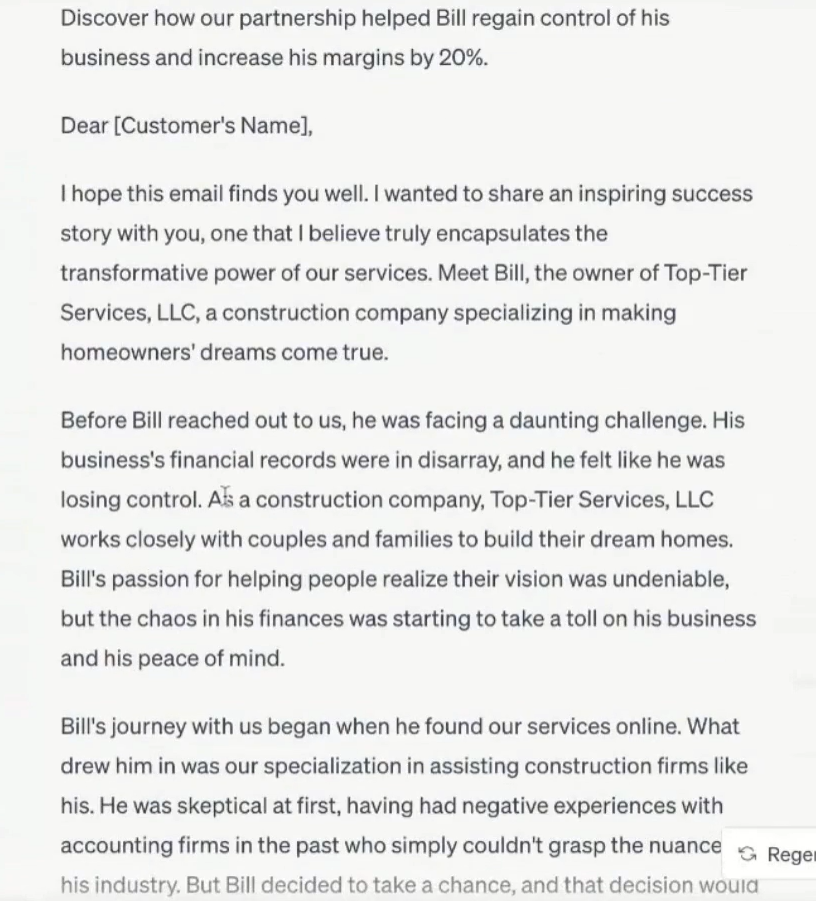
Case studies are highly effective marketing tactics, as they detail how your services benefit clients. ChatGPT can assist in creating these compelling narratives. Simply include specific details in your prompt about your clients, their challenges, and how your firm provided solutions.
The generated result will be nearly ready for use, requiring only minor tweaks for perfection.
12. Summarizing Information for Monthly Executive Reports
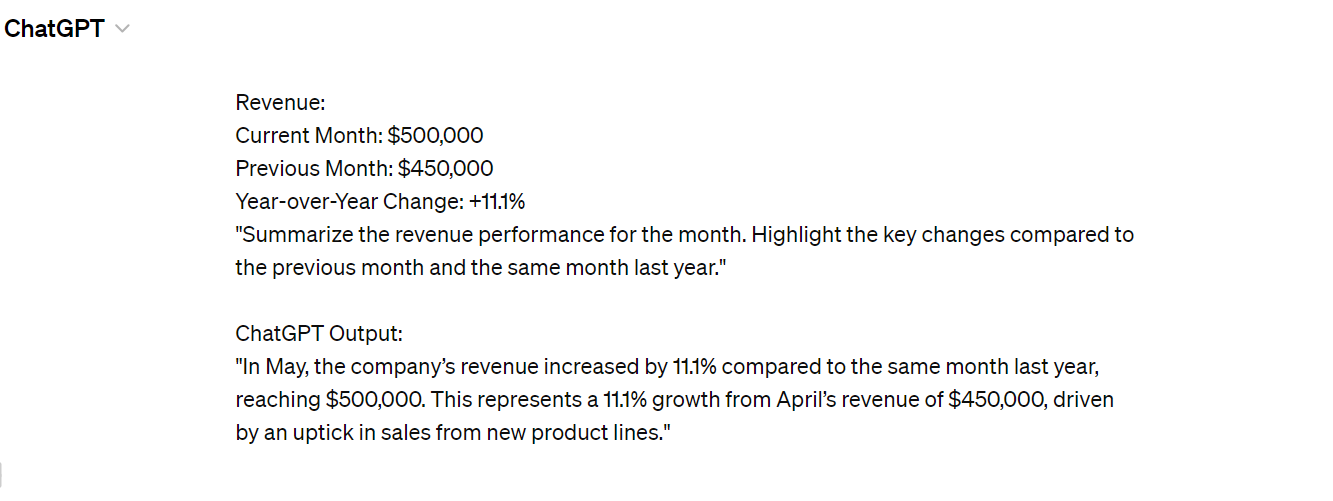
Using ChatGPT to summarize data for monthly executive reports streamlines the process, ensuring clarity and conciseness. Always remember to anonymize sensitive information to protect privacy.
First, gather all relevant data like financial statements and KPIs. Then, prepare your input by clearly labeling each section of data for ChatGPT. Finally, input your organized data and prompts, specifying the desired tone and length, and review the AI-generated summary for accuracy.
13. Simplifying Complex Tax Regulations
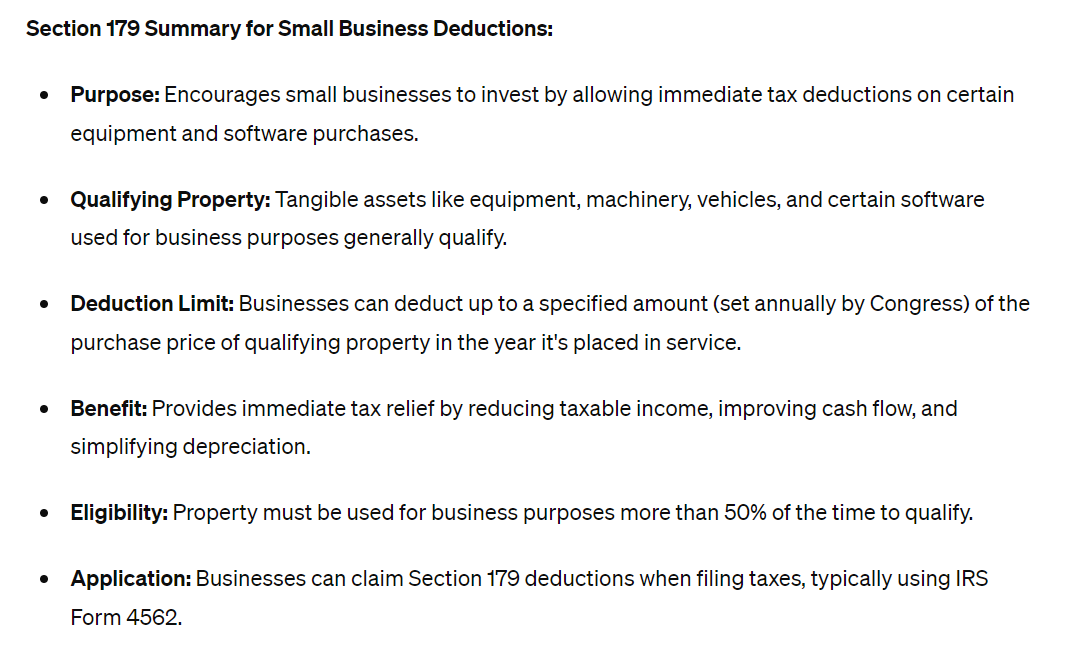
ChatGPT can interpret complex tax regulations and provide simplified summaries, making them easier for accountants to understand and apply. For instance, you can ask for a digestible summary of specific tax sections related to small business deductions.
It can also assist with computations. Imagine asking it to calculate the tax liability for a business with specific revenue, expenses, depreciation, and tax credits – it provides the answer quickly.
Understanding the Risks of Using ChatGPT in Accounting
While ChatGPT offers incredible advantages, it’s essential to acknowledge the potential risks associated with its use in accounting practices.

AI Errors
A primary concern with using ChatGPT, or any AI, in accounting is the potential for errors due to a lack of human oversight. While AI efficiently processes vast data, it can still make mistakes that might go unnoticed without careful manual review.
Generic Results
As a machine learning tool, ChatGPT can produce generic content if it doesn’t receive sufficient human input and specific prompts. Relying solely on AI for tasks like marketing can lead to bland, unoriginal material that fails to capture attention.
Data Security Concerns
Security risks are also inherent when sensitive financial data and other confidential information are entered into AI models. Firms must implement robust data protection protocols and exercise extreme caution to safeguard client information.
Conclusion
ChatGPT offers accounting firms a powerful tool to enhance efficiency, improve client interactions, and support professional development. By intelligently integrating it into various workflows, you can automate routine tasks, simplify complex processes, and free up valuable time for more strategic initiatives.
However, successful adoption requires careful oversight, specific prompting, and a clear understanding of its limitations, especially regarding data security and the need for human review. Embrace generative AI as an assistant, and watch your firm thrive in the digital age.
Frequently Asked Questions (FAQ)
Q1: What is generative AI in the context of accounting?
Generative AI, like ChatGPT, refers to artificial intelligence that can produce new content, such as text, images, or data. In accounting, it assists with tasks like drafting emails, summarizing reports, categorizing transactions, and simplifying complex tax regulations.
Q2: Can ChatGPT replace accountants?
No, ChatGPT cannot replace accountants. It serves as a powerful tool to automate repetitive tasks, assist with data analysis, and improve efficiency. Human accountants remain crucial for critical thinking, ethical judgment, client relationships, and overseeing AI outputs.
Q3: Is it safe to enter sensitive client financial data into ChatGPT?
You should exercise extreme caution and avoid entering sensitive, identifiable client financial data directly into public ChatGPT models due to potential data security risks. Always anonymize data or use secure, enterprise-level AI solutions designed for sensitive information.
Q4: How does generative AI help with bank reconciliation?
Generative AI streamlines bank reconciliation by quickly reviewing uncategorized transactions and suggesting appropriate categories. It helps identify discrepancies and automates the initial classification process, significantly reducing manual effort and improving accuracy.
Q5: What are the main limitations of using ChatGPT in an accounting firm?
The main limitations include the potential for AI errors requiring human oversight, the tendency to produce generic content without precise prompts, and significant data security concerns when handling sensitive information. It also lacks human judgment and the ability to build client relationships.
Keywords: generative AI accounting, ChatGPT accounting, AI in finance, accounting firm efficiency, automate bookkeeping, client communication AI, bank reconciliation AI, tax regulation AI, accounting automation, AI tools for accountants