Unlock Efficiency: ChatGPT for Modern Bookkeeping and Financial Tasks
As a bookkeeper or accountant, you know the daily grind involves a seemingly endless list of tasks. From meticulous journal entries and comprehensive report explanations to drafting emails and client follow-ups, your schedule often feels overwhelming. Imagine a powerful tool that helps you complete your work faster and with less effort. That’s precisely where ChatGPT steps in.
This advanced AI isn’t here to replace your expertise; instead, it acts as your intelligent personal assistant, available 24/7 to provide instant support. 
What is ChatGPT and Why Does it Matter for Financial Professionals?
ChatGPT is a sophisticated artificial intelligence tool designed to understand natural language and generate helpful, relevant responses. For bookkeepers and accountants, this means practical assistance with everyday tasks like preparing journal entries, summarizing complex reports, crafting professional emails, and answering common client queries.
You can significantly streamline your workflow and save valuable time by leveraging ChatGPT instead of handling every task manually. Consider it a smart, accounting-savvy teammate always ready to assist you.
Simplify Journal Entries with AI Speed
Creating journal entries traditionally requires careful thought to ensure accurate debits and credits. ChatGPT transforms this process. You simply type a request, such as, “Create a journal entry for $1,200 rent paid on May 1st from the bank,” and it instantly provides the correct entry.
Whether you’re recording transactions for rent, sales, payroll, or other activities, ChatGPT helps you complete entries faster and with greater confidence. This minimizes guesswork and boosts accuracy.
Empower Clients to Understand Financial Reports
Many clients struggle to interpret detailed financial reports, often needing only a high-level overview. Instead of spending extensive time explaining every line item, you can paste the report into ChatGPT and ask it to summarize the key takeaways.
The AI will generate a concise, easy-to-understand summary perfect for sharing with clients. This not only simplifies your job but also helps clients feel more informed and confident in your services.
Draft Professional Emails Effortlessly
Writing professional emails, especially reminders or follow-ups, can be time-consuming. ChatGPT can generate these communications in seconds. Simply input a prompt like, “Write a reminder email for missing receipts,” and it produces a polished draft for you.
From thank-you notes and deadline reminders to follow-up messages, you’ll always have well-worded correspondence ready, saving you considerable time.
Answer Client Questions Promptly and Clearly
Clients frequently ask similar questions, such as, “Why is my profit different from my bank balance?” or “Do I need to keep every single receipt?” Rather than composing new responses repeatedly, you can use ChatGPT to formulate clear, brief answers.
You can even save these responses as templates for future use, allowing you to respond quickly and maintain a professional image. This approach ensures consistent communication and efficiency.
Integrate Seamlessly with QuickBooks and Xero
If you utilize popular accounting software like QuickBooks Online or Xero, ChatGPT becomes an invaluable companion. It can help you interpret complex reports, explain specific transactions, or even summarize overall financial activities within your software.
You don’t need to be a tech expert; just ask your question, and ChatGPT will guide you through the details. This integration enhances your understanding and usage of these essential platforms.
Best Practices for ChatGPT for Budgeting and Beyond
Harnessing AI tools like ChatGPT effectively requires knowing how to formulate clear prompts. While we’ve focused on bookkeeping, these same principles extend to financial planning. Applying **best practices for ChatGPT for budgeting**, for instance, can streamline your financial forecasts and expense tracking, just as it simplifies journal entries.
Always provide context and specific details in your prompts to ensure accurate and relevant responses. Think of it as instructing a human assistant – the clearer your instructions, the better the outcome. Regularly review AI-generated content for accuracy and tailor it to your specific client or business needs before final use.
Conclusion: Embrace the Future of Financial Management
Today, bookkeepers and accountants who adopt smart tools like ChatGPT are distinguishing themselves in the industry. They complete tasks more rapidly, serve clients more effectively, and free up time for new professional opportunities. Embracing AI is a strategic move to advance your career.
By integrating ChatGPT into your workflow, you save time, reduce stress, and elevate the quality of your services. Get ready to transform your financial management practices and confidently step into the future. 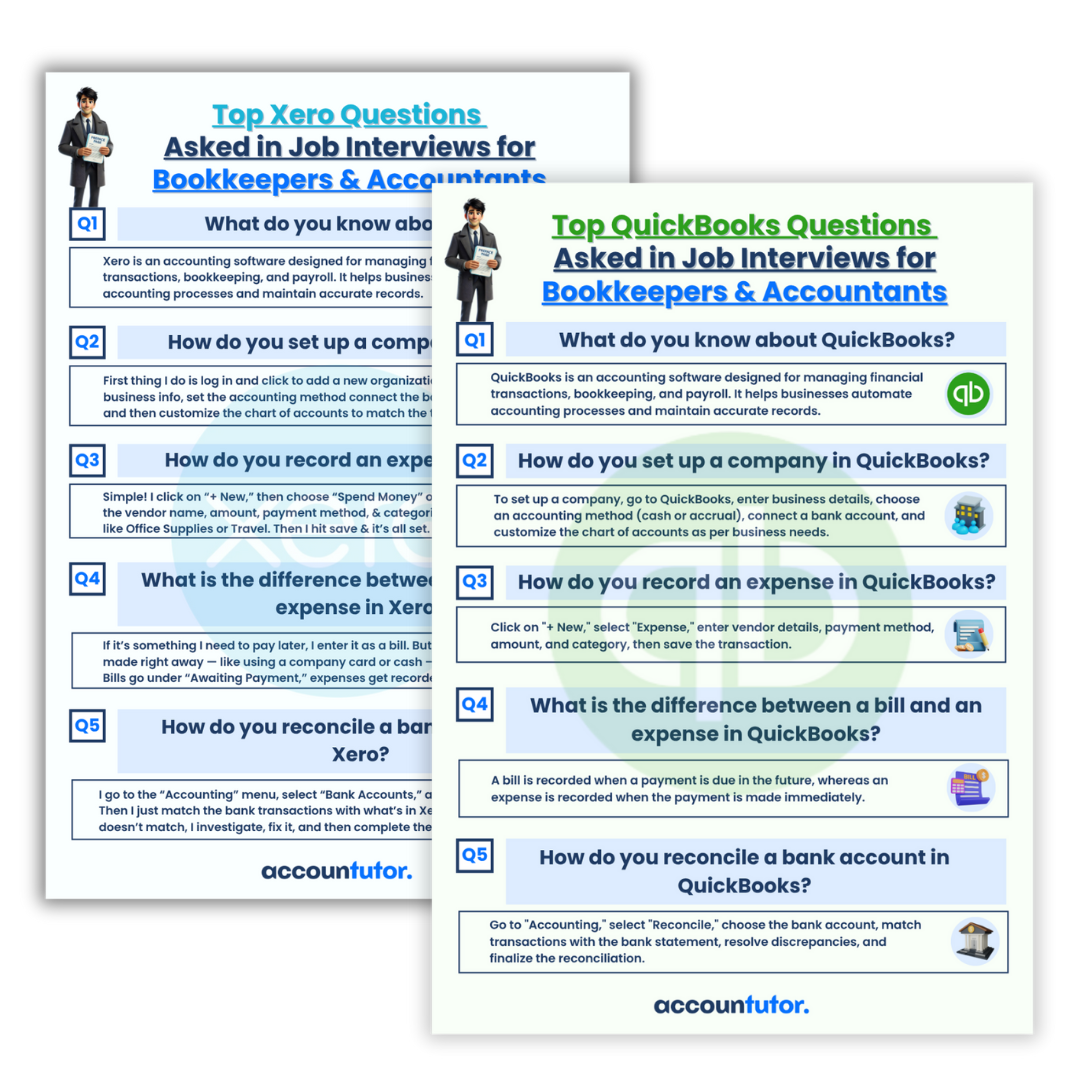
Frequently Asked Questions About ChatGPT for Bookkeeping
- Q: Can ChatGPT replace a human bookkeeper?
- A: No, ChatGPT is a tool designed to assist bookkeepers, not replace them. It automates repetitive tasks and helps with drafting, summarization, and explanation, freeing up human professionals for more strategic work and critical decision-making.
- Q: Is ChatGPT secure for handling sensitive financial data?
- A: When using ChatGPT, you should avoid inputting highly sensitive or confidential client data directly into the public model. For secure handling of proprietary information, consider enterprise-level AI solutions or use ChatGPT to process anonymized or generalized data.
- Q: How can I learn to use ChatGPT effectively for my bookkeeping tasks?
- A: To become proficient, focus on crafting clear and specific prompts. Many online courses and resources, like those offered by Accountutor, provide step-by-step lessons, ready-to-use prompts, and real-world examples to guide you.
- Q: Does ChatGPT integrate directly with accounting software like QuickBooks or Xero?
- A: While ChatGPT doesn’t have direct, real-time integration in the sense of an API link to these platforms, you can copy data or reports from QuickBooks or Xero into ChatGPT to get explanations, summaries, or help with understanding transactions. It acts as an analytical aid rather than a direct data input tool.
- Q: What are the main benefits of using ChatGPT for financial professionals?
- A: The primary benefits include significant time savings on routine tasks, improved accuracy in journal entries, enhanced client communication through simplified report explanations and email drafting, and quick access to answers for common financial questions. This leads to increased efficiency and better service delivery.

Keywords: ChatGPT, Bookkeeping, Accounting, AI, Financial Management, Efficiency, Automation, Journal Entries, Client Communication, Budgeting