If you work in bookkeeping or accounting, you know the daily grind can feel relentless. You constantly juggle journal entries, decipher reports, send emails, and follow up with clients. It often feels like you’re always racing against the clock, with little time left for strategic thinking. But what if a powerful tool could help you finish tasks faster and more efficiently? Enter the world of AI chatbots, specifically designed to be your always-on personal assistant. 
What Exactly is an AI Chatbot for Finance?
An AI chatbot is a sophisticated artificial intelligence tool that understands your queries and provides intelligent, helpful responses. For bookkeepers and accountants, this means real-world assistance with tasks like generating journal entries, drafting professional emails, summarizing complex reports, and even answering common client questions. Instead of manual processes, you can leverage an AI chatbot to save significant time and enhance your operational efficiency. It’s like having an incredibly smart, finance-savvy teammate always ready to lend a hand. 
Streamlining Your Financial Workflow with AI Chatbots
AI chatbots offer diverse applications that can revolutionize your daily accounting tasks. Let’s explore some key areas where these tools truly shine.
1. Effortless Journal Entries
Generating journal entries once required careful thought and meticulous attention to debits and credits. With an AI chatbot, you simply input a transaction description, like “Create a journal entry for office supplies purchased for $500 on June 15th from petty cash,” and it provides the correct entry in moments. This capability extends to various transactions, from rent and sales to payroll, helping you complete entries faster and with greater confidence.
2. Simplifying Financial Explanations
Many clients find financial reports complex and overwhelming. Rather than delving into every detail, they primarily want to grasp the core insights. You can paste a report into an AI chatbot and ask it to summarize the main points. It will generate a concise, easy-to-understand summary you can share, making your job easier and helping clients feel more informed and confident in your services.
3. Crafting Professional Communications
Writing emails, especially reminders or follow-ups, can be time-consuming. An AI chatbot can help you draft professional emails in seconds. Simply prompt it with something like, “Write a reminder email for outstanding invoices,” and it will generate the message for you. Whether you need a thank-you note, a deadline reminder, or a follow-up, you’ll have well-worded communications ready quickly.
4. Instant Answers to Common Questions
Clients frequently ask similar questions, such as “Why is my profit different from my bank balance?” or “Do I really need to keep every receipt?” Instead of drafting new responses each time, you can use an AI chatbot to create clear, concise answers. You can even save these as templates for future use, ensuring quick and professional replies.
5. Seamless Integration with Accounting Software
If you utilize popular platforms like QuickBooks Online or Xero for your bookkeeping, an AI chatbot can be an excellent companion. It can assist you in understanding complex reports, explaining specific transactions, or even summarizing activities within your software. You don’t need to be a tech guru; just ask your question, and the chatbot will guide you through it.
Your Essential Checklist for AI Chatbot for Invoice Processing
Adopting an AI chatbot for invoice processing can significantly boost your efficiency. Here’s a practical checklist to guide you in choosing and implementing the right solution:
- Accuracy in Data Extraction: Does the chatbot accurately pull key information (vendor, amount, date, line items) from various invoice formats (PDF, scanned images, emails)?
- Automated Categorization: Can it intelligently suggest general ledger accounts and cost centers based on invoice content and historical data?
- Integration with Existing Systems: Does it seamlessly connect with your current accounting software (e.g., QuickBooks, Xero) and other financial tools?
- Approval Workflow Compatibility: Can the chatbot integrate with or facilitate your existing invoice approval processes, routing invoices to the correct approvers?
- Error Detection and Fraud Prevention: Does it flag potential duplicates, suspicious amounts, or unusual vendor details to help prevent errors and fraud?
- Scalability and Performance: Can the chatbot handle your current invoice volume and scale up as your business grows without compromising speed or accuracy?
- Security and Compliance: What data security measures does it employ? Does it comply with relevant financial regulations and privacy standards?
- User-Friendly Interface: Is the interface intuitive and easy for your team to learn and use, minimizing training time?
- Customization Options: Can you customize rules, workflows, and data fields to match your specific business requirements?
- Vendor Support and Updates: Does the provider offer reliable customer support and regular updates to improve functionality and security?
Embracing the Future of Bookkeeping
Today, financial professionals who embrace smart tools like AI chatbots truly stand out. They complete tasks faster, serve clients better, and open doors to new opportunities. If you’re looking to advance your career and enhance your service offerings, integrating AI tools is a strategic move. You’ll save time, reduce stress, and deliver exceptional value. 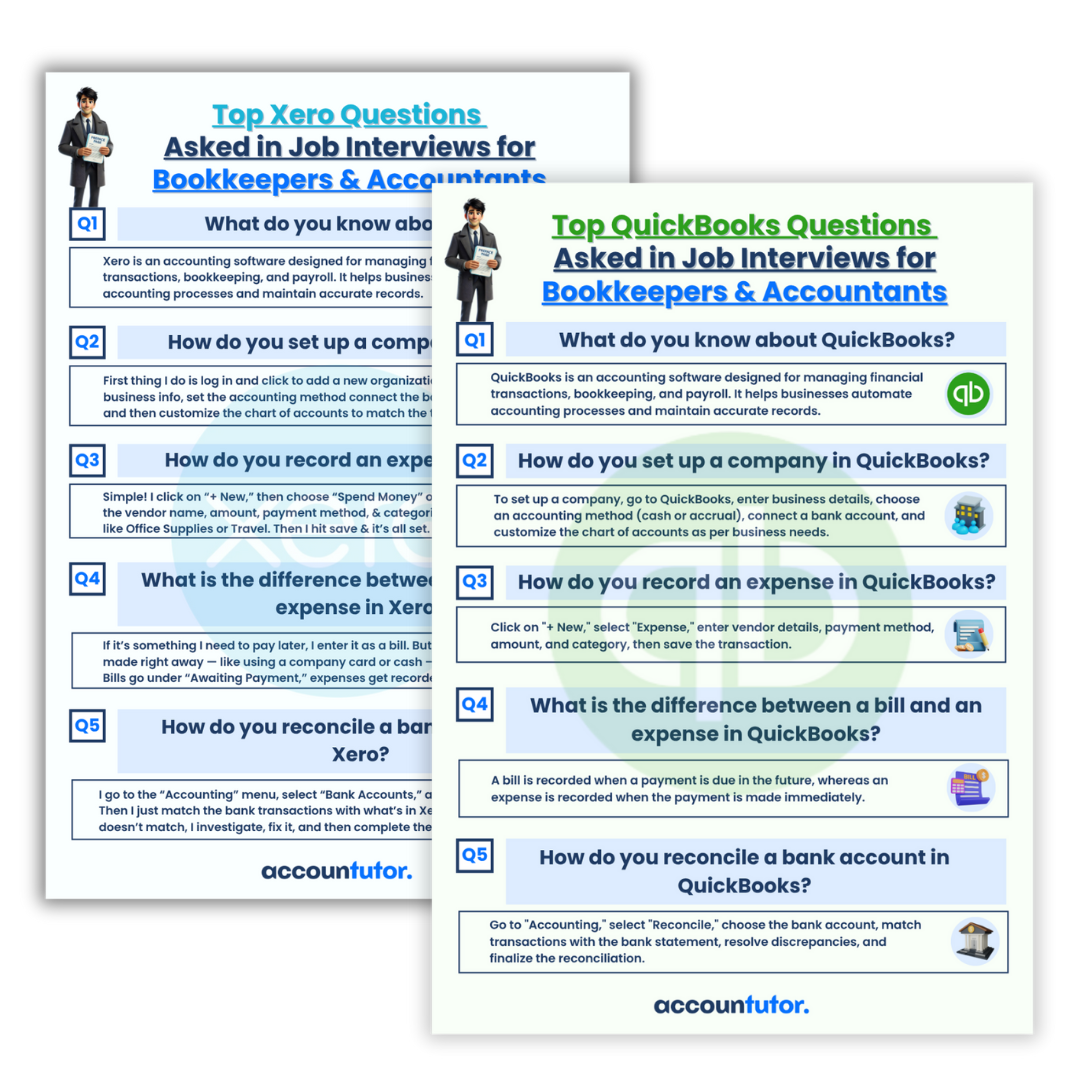
Ready to make your work smarter and easier? Consider exploring specialized courses that teach you how to master these technologies. Learning to use AI effectively can transform your confidence as a bookkeeper and accountant. 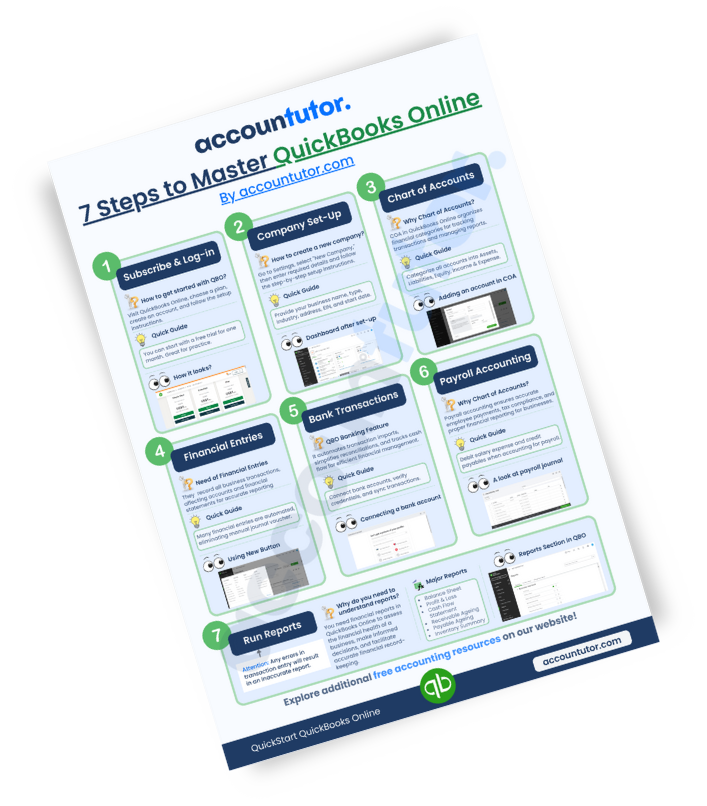
FAQ: AI Chatbots in Finance
- What is an AI chatbot in accounting?
- An AI chatbot in accounting is an artificial intelligence program designed to interact with users, understand financial queries, and automate various accounting tasks like data entry, report generation, and communication drafting.
- How can an AI chatbot specifically help with invoice processing?
- For invoice processing, an AI chatbot can automate data extraction from invoices, categorize expenses, flag discrepancies, facilitate approval workflows, and integrate directly with accounting software for seamless recording and payment.
- Is an AI chatbot secure for handling sensitive financial data?
- Reputable AI chatbot providers for finance prioritize robust security measures, including encryption, access controls, and compliance with data protection regulations. Always verify the security protocols of any solution you consider.
- Will an AI chatbot replace my job as a bookkeeper or accountant?
- AI chatbots are tools designed to assist, not replace, financial professionals. They automate repetitive tasks, allowing bookkeepers and accountants to focus on more complex analysis, strategic planning, and client advisory, enhancing their value.
Keywords: AI chatbot,invoice processing,bookkeeping automation,accounting AI,ChatGPT for finance,financial technology,expense management,workflow automation,accounting software integration,AI checklist