Are you a bookkeeper or accountant juggling a mountain of tasks? From meticulous journal entries to crafting client reports and managing endless emails, the daily grind can feel overwhelming. What if you could harness a powerful tool to streamline your work, making you more efficient and less stressed? Enter large language models (LLMs), like ChatGPT, your new virtual assistant ready to revolutionize your financial reporting tasks.
These sophisticated AI tools are not here to replace your expertise; instead, they empower you to accomplish more in less time. Think of them as intelligent teammates who provide instant, accurate assistance around the clock, enhancing your productivity and client communication. 
A large language model like ChatGPT understands your queries and delivers helpful, context-aware responses. For bookkeepers and accountants, this means practical assistance with real-world tasks, from generating journal entries to summarizing complex financial reports and drafting professional correspondence. 
Simplify Journal Entries with AI
Gone are the days of laboring over journal entries, meticulously discerning debits and credits. With an LLM, you simply input a request, such as, “Create a journal entry for rent paid $1,200 on May 1st from bank,” and it swiftly provides the correct entry. This capability significantly speeds up the process for various transactions, minimizing errors and second-guessing.
Clarify Financial Reports for Clients
Many clients find financial reports baffling, often caring more about the bottom line than intricate details. Instead of dedicating hours to explanations, you can paste a report into your LLM and ask for a summary of the key insights. It will distill complex data into an easily digestible format, boosting client confidence and saving you valuable time.
Draft Professional Emails Effortlessly
Crafting professional emails, especially reminders or follow-ups, can consume a considerable portion of your day. An LLM can generate these communications in mere seconds. Just prompt it with something like, “Write a reminder email for missing receipts,” and you receive a polished draft, ensuring your messages are always professional and timely.
Answer Client Questions Promptly
Clients often pose similar questions, such as, “Why is my profit less than my bank balance?” or “Do I need to retain every receipt?” Instead of formulating new answers repeatedly, you can leverage an LLM to create clear, concise responses. You can even save these as templates for quick, consistent, and professional client support.
Integrate Seamlessly with Accounting Software
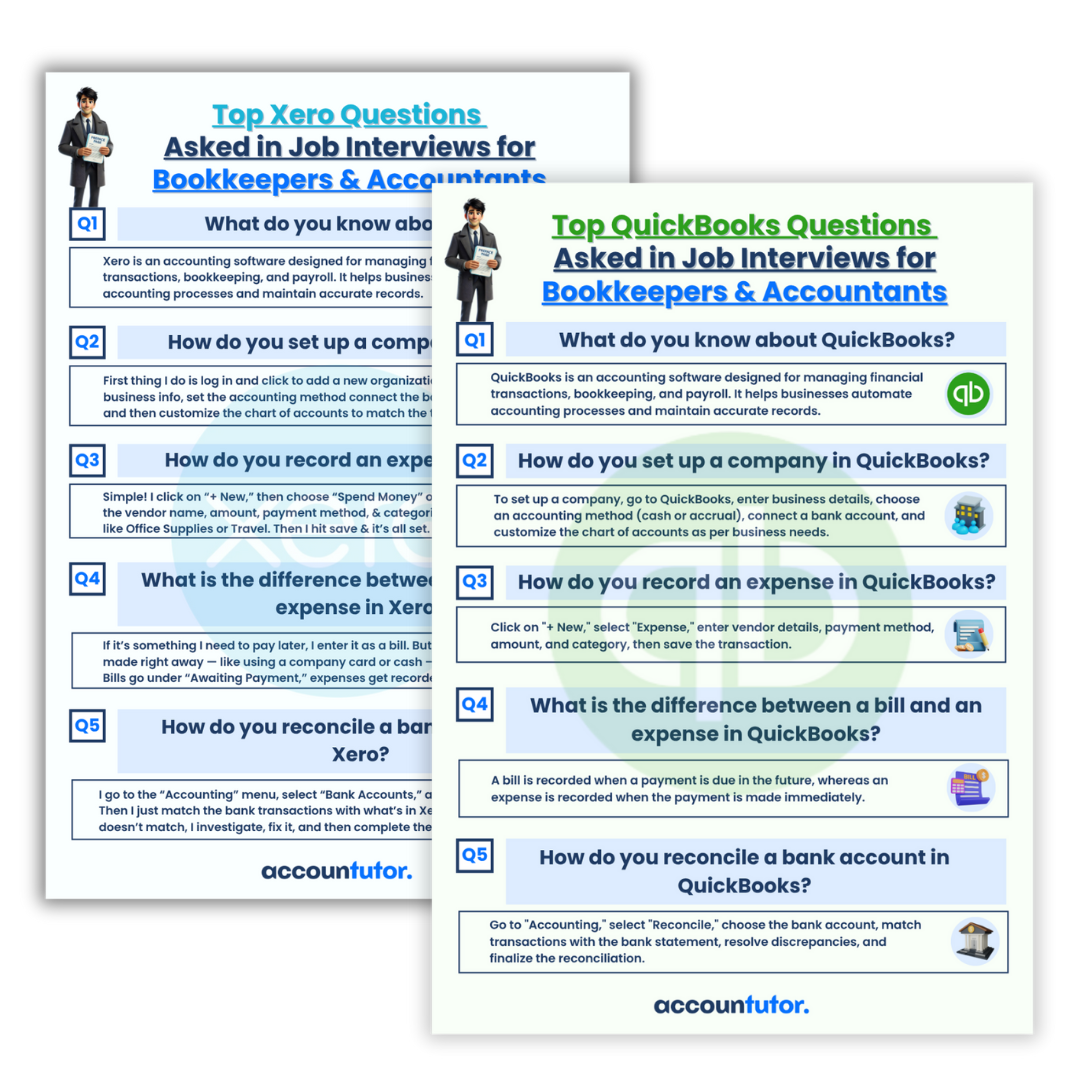
For those utilizing QuickBooks Online or Xero, LLMs prove invaluable. They help you interpret reports, explain specific transactions, or even summarize activities within your software. You do not need to be a tech guru; simply ask your question, and the LLM provides clear guidance.
Advanced Tips for Large Language Models for Financial Reporting
To truly maximize the potential of LLMs in financial reporting, move beyond basic prompts. Consider these advanced strategies:
- Contextual Chaining: Build on previous prompts. For instance, ask for a journal entry, then immediately follow up with, “Now, explain the accounting principle behind that entry.”
- Role-Playing Prompts: Instruct the LLM to act as a specific persona, like “Act as a forensic accountant and analyze this expense report for anomalies.”
- Data Synthesis: Feed it raw data snippets (e.g., transaction lists) and ask it to identify trends, potential discrepancies, or suggest categorization.
- Scenario Planning: Request “What-if” scenarios, such as “If sales increase by 15% next quarter, how would that impact our cash flow, assuming current expense ratios?”
- Custom Output Formats: Specify desired output, e.g., “Provide a summary of the Q3 profit and loss statement in a bulleted list, focusing on variances over 10%.”
By applying these advanced tips for large language models for financial reporting, you transform your LLM from a simple assistant into a powerful analytical partner, unlocking deeper insights and unparalleled efficiency.
Become the Bookkeeper Everyone Seeks
Today’s top bookkeepers and accountants embrace smart tools like LLMs. They complete tasks faster, serve clients more effectively, and free up time for new growth opportunities. Embracing AI is a strategic move for career advancement, leading to reduced stress and superior service delivery.

Frequently Asked Questions About LLMs in Financial Reporting
Q: Will LLMs replace my job as an accountant or bookkeeper?
A: No, LLMs are powerful tools designed to assist you, not replace you. They automate repetitive tasks, allowing you to focus on strategic analysis, client relationships, and complex problem-solving that require human judgment.
Q: How do I ensure the accuracy of information provided by an LLM?
A: Always verify critical information. While LLMs are highly capable, they can sometimes ‘hallucinate’ or provide incorrect data. Use them as a starting point and cross-reference with your established financial data and accounting principles.
Q: Can LLMs handle sensitive client financial data securely?
A: When using public LLMs like ChatGPT, avoid inputting confidential client data directly. For sensitive information, explore enterprise-level AI solutions or ensure your organization has strict data privacy protocols in place for any AI integration.
Q: What’s the best way to learn how to use LLMs for financial tasks?
A: Start with online courses or tutorials that focus on prompt engineering for accounting. Experiment with different types of queries and observe the results. Many platforms offer specialized training to help you master these tools.
Q: Are LLMs compatible with all accounting software?
A: LLMs like ChatGPT can interact with data from various software by processing text or exported reports. While they don’t directly integrate with every software, they can analyze and summarize information you input, making them highly versatile across platforms like QuickBooks and Xero.
Keywords: large language models, financial reporting, bookkeeping, ChatGPT, AI for accountants, accounting automation, financial technology, QuickBooks, Xero, prompt engineering