Revolutionize Your Workflow: Automating Daily Bookkeeping Tasks with AI
Bookkeeping can often feel like a never-ending cycle of data entry, categorization, and reconciliation. It’s time-consuming and prone to human error. But what if there was a way to significantly lighten this load?
Artificial intelligence, particularly tools like ChatGPT, is rapidly transforming how we approach financial management. Get ready to discover the immense potential of automating daily bookkeeping tasks with AI.
How AI Streamlines Bookkeeping Operations
AI isn’t here to replace human expertise; rather, it’s a powerful co-pilot designed to enhance efficiency and accuracy. It handles repetitive, rule-based tasks with incredible speed, freeing up valuable time for strategic analysis and client interaction.
Consider the sheer volume of transactions a typical business processes daily. AI can digest this data, learn patterns, and execute tasks far quicker than any human.
Key Bookkeeping Tasks AI Can Automate
AI’s capabilities extend across numerous aspects of bookkeeping. It can tackle everything from initial data processing to generating insightful reports, fundamentally changing daily routines.
1. Automated Transaction Categorization
Manual categorization of transactions is tedious and often inconsistent. AI systems can analyze transaction descriptions and amounts, then automatically assign them to the correct accounts.
This means fewer errors and a more accurate chart of accounts, ensuring your financial records are always tidy and reliable.
2. Efficient Data Entry and Reconciliation
Say goodbye to endless hours spent manually inputting data from invoices, receipts, and bank statements. AI-powered tools can extract relevant information, enter it into your accounting software, and even flag discrepancies.
Automated reconciliation processes match transactions between bank statements and your books, quickly identifying any mismatches and reducing closing times significantly.
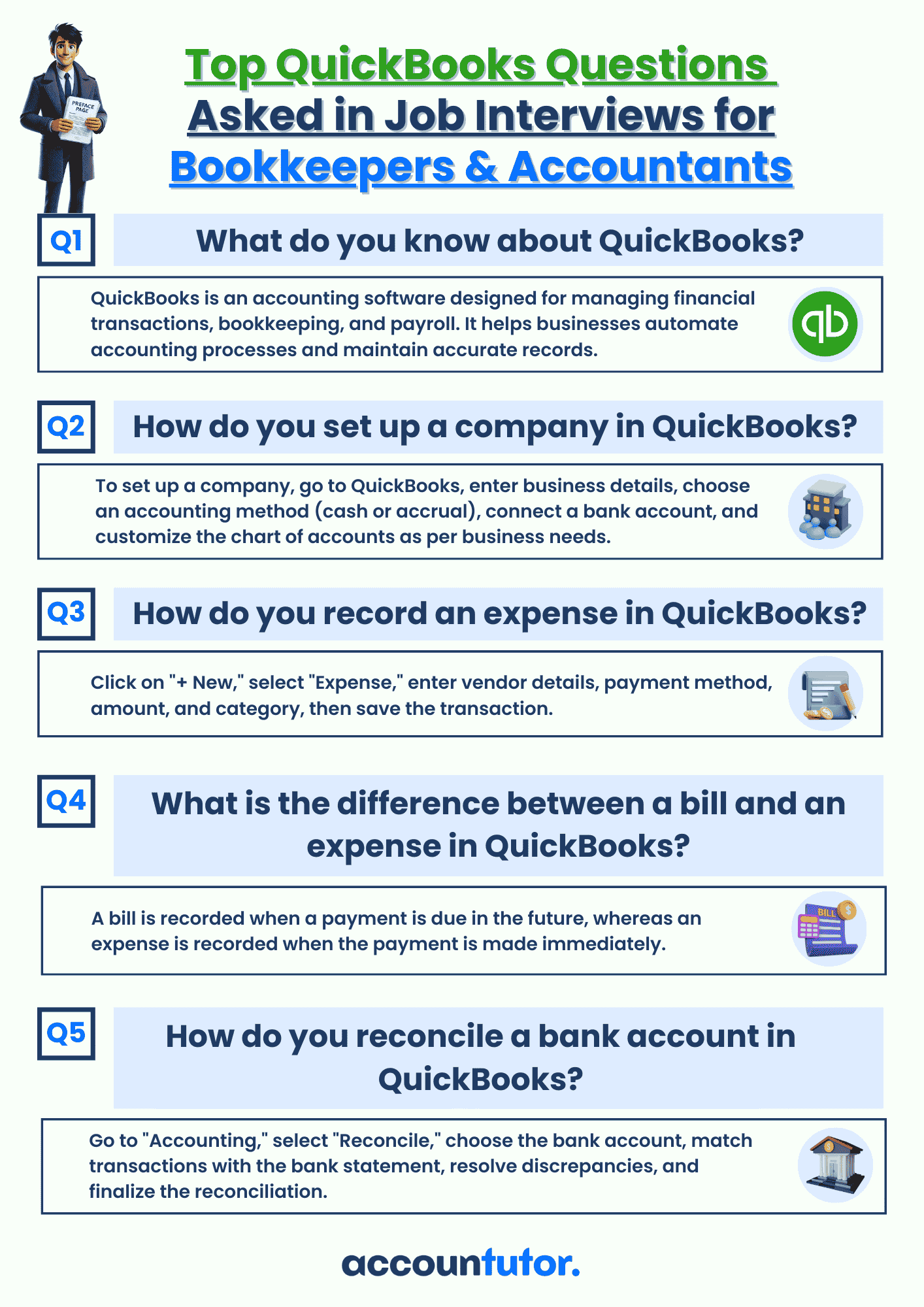
For bookkeepers working with popular platforms like QuickBooks Online, AI can even help process documentation or extract key information from resources like interview question guides, ensuring you stay sharp and informed.
3. Smart Invoice Processing
From generating invoices to sending payment reminders, AI can manage the entire accounts receivable cycle. It tracks payment statuses, applies payments correctly, and keeps your cash flow running smoothly.
This automation minimizes delays and improves your overall financial health.
4. Financial Reporting and Analysis Assistance
While strategic analysis remains a human domain, AI can prepare detailed financial reports much faster. It compiles data, generates visual summaries, and highlights key trends or anomalies.
This gives bookkeepers and business owners a clearer, more immediate understanding of their financial standing.
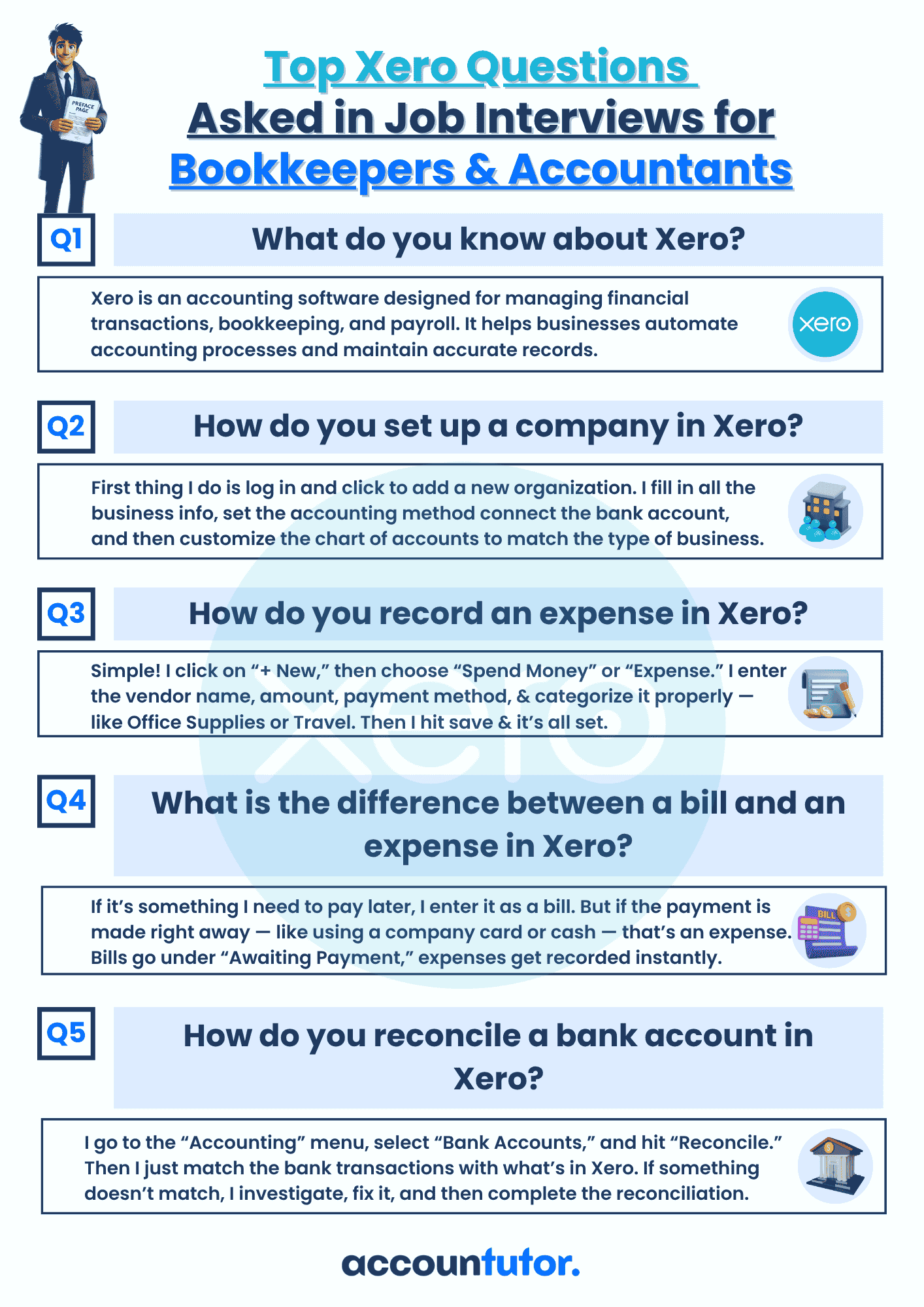
Similarly, for users of Xero Accounting, AI can assist in reviewing specific documents or understanding complex scenarios, acting as a valuable knowledge assistant.
The Benefits of Embracing AI in Bookkeeping
Integrating AI into your bookkeeping workflow offers tangible advantages. You gain increased operational efficiency, reduce the likelihood of costly errors, and free up your team for higher-value activities.
This shift allows bookkeepers to evolve from data processors to strategic financial advisors, focusing on growth and complex problem-solving.
Navigating Challenges and Ensuring Oversight
While AI offers incredible benefits, it’s important to use it wisely. Data security and privacy are paramount, so always choose reputable AI solutions that prioritize these aspects.
Human oversight remains crucial to review AI-generated results, especially for critical decisions, ensuring accuracy and compliance.
Conclusion: The Future is Automated
Embracing AI for bookkeeping is no longer a luxury; it’s a strategic necessity for businesses aiming for peak efficiency and accuracy. By automating daily bookkeeping tasks with AI, you empower your financial operations and unlock new levels of productivity.
Start exploring how AI can transform your bookkeeping today and move towards a smarter, more streamlined financial future.
Frequently Asked Questions About AI in Bookkeeping
Q: Can AI completely replace human bookkeepers?
A: No, AI is a tool to assist and enhance human bookkeepers, not replace them. It handles repetitive tasks, allowing bookkeepers to focus on complex analysis, strategic planning, and client relationships.
Q: Is AI secure for handling sensitive financial data?
A: Reputable AI accounting software vendors implement robust security measures, including encryption and compliance protocols, to protect sensitive financial data. Always choose trusted providers.
Q: What’s the first step to integrating AI into my bookkeeping?
A: Start by identifying your most time-consuming and repetitive bookkeeping tasks. Then research AI tools designed to automate those specific functions, often starting with transaction categorization or data entry.
Q: How does AI improve accuracy in bookkeeping?
A: AI minimizes human error by automating data entry, applying consistent categorization rules, and quickly identifying discrepancies during reconciliation, leading to more accurate financial records.
Q: What is the cost of implementing AI for bookkeeping?
A: The cost varies widely depending on the software, features, and scale of your business. Many solutions offer tiered pricing, from affordable options for small businesses to comprehensive packages for larger enterprises.
Keywords: AI in bookkeeping, bookkeeping automation, ChatGPT for finance, accounting AI, financial technology, automated data entry, transaction categorization, financial reporting, business efficiency, AI accounting software