Unlocking the Bali Digital Nomad Dream: Your Essential Guide
Dreaming of swapping your office cubicle for a tropical island paradise? For many, the idea of working remotely from Bali is not just a fantasy, but a truly achievable lifestyle. Over the past decade, Bali has solidified its reputation as a premier destination for digital nomads, freelancers, and remote workers worldwide.

Bali’s allure stems from a unique blend of factors. You’ll find an affordable lifestyle, endless summer weather, a vibrant community of like-minded individuals, and a range of convenient visa options.
The island also boasts numerous coworking spaces, cozy cafes, and welcoming coliving hubs. Plus, there are endless activities and opportunities for networking with people from all corners of the globe.
What Exactly is a Digital Nomad?
The term ‘digital nomad’ means something different to everyone. Traditionally, a digital nomad works online, travels full-time, and might spend a few months in Bali before moving on to another exciting destination like Thailand or Portugal.
However, the definition has broadened. Today, anyone trying to extend their travels by making money online might identify as a digital nomad. We often see two main groups in Bali: those who have already established their online work and finances, enjoying a location-independent lifestyle, and those actively building their online careers and exploring new business ideas.
Navigating the Legal Landscape: Visas and Regulations
Before you book that one-way ticket, understanding Bali’s legal, visa, and tax requirements is paramount. While many digital nomads currently operate in a legal ‘grey area’, the Indonesian government is increasingly aware of this growing trend.
It’s crucial to conduct thorough research and not solely rely on advice from social media or other nomads. Always use the correct visa for your intentions and ensure your income originates from outside Indonesia.
Key ‘Don’ts’ for Digital Nomads in Bali:
- Don’t blindly trust unverified visa advice. Always double-check any ‘solutions’ or shortcuts offered by agents or other individuals.
- Avoid questionable employment or shareholder KITAS sponsorships. Understand the details and legal obligations of any KITAS before applying.
- Do not work for Indonesian companies or clients without a valid work permit. This applies even to freelance gigs or occasional services.
- Never receive payments in Indonesia, whether through a local bank account or cash. All income must come from outside the country.
- Refrain from engaging in local business activities like teaching yoga, DJing, leading retreats, or designing interiors if you only hold a C-type Visit Visa. These activities require a specific work permit.
- Don’t advertise or sublease your accommodation in online groups. Immigration considers this a business activity and it can lead to visa violations.
Understanding Your Visa Options
Most digital nomads initially enter Bali with a Visit Visa (type C), valid for 60 days and extendable up to a maximum of 180 days. While widely used, this visa still presents a legal grey area for remote work.
For those officially employed by a company abroad, a clearer legal path exists. You might qualify for the Remote Worker KITAS, a limited-stay permit specifically designed for foreign remote employees.
Tax Residency and Your Income
Indonesia employs a 183-day rule for determining tax residency. If you stay in Indonesia for more than 183 days within any 12-month period, you become a tax resident. This means you may be liable to pay income tax on your worldwide income, regardless of where you earned it.
If your stay is less than 183 days per year, you typically won’t be considered a tax resident in Indonesia. However, you might still need to declare your income in your country of legal residency.
Finding Your Tribe: Coworking and Coliving Spaces
Bali’s digital nomad scene thrives on community. You’ll discover numerous coworking spaces, ranging from relaxed cafes to highly customized hubs offering private meeting rooms, strong internet, and networking opportunities.
These spaces are perfect for connecting with like-minded individuals and diving into Bali’s vibrant remote work culture.
Popular Coworking Spots:
In Seminyak & Petitenget, check out Studio Eksotika. 
Canggu & Berawa offers ZIN Cafe Canggu, a popular cafe, restaurant, and coworking spot. 
Kuta & Tuban has Park23 Creative Hub, a great option for creativity. 
In Sanur, Livit Hub provides another excellent coworking environment. 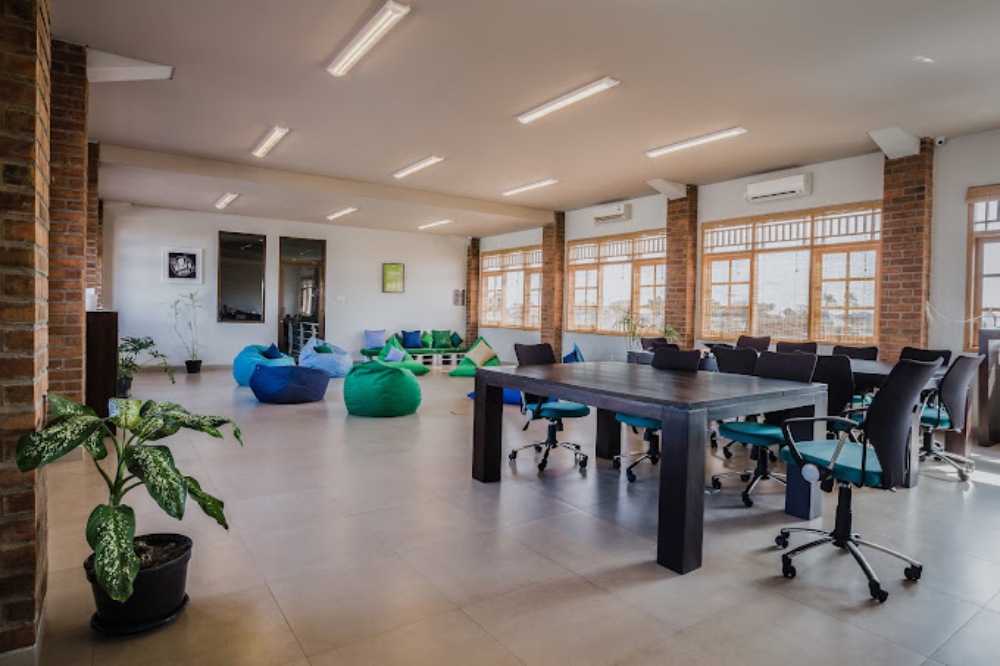
Top Coliving Options for Community:
Coliving spaces offer the perks of modern villas combined with a strong community vibe. They are ideal for socializing and connecting with diverse individuals.
Canggu & Berawa features Shashvata Bali, offering a shared living experience. 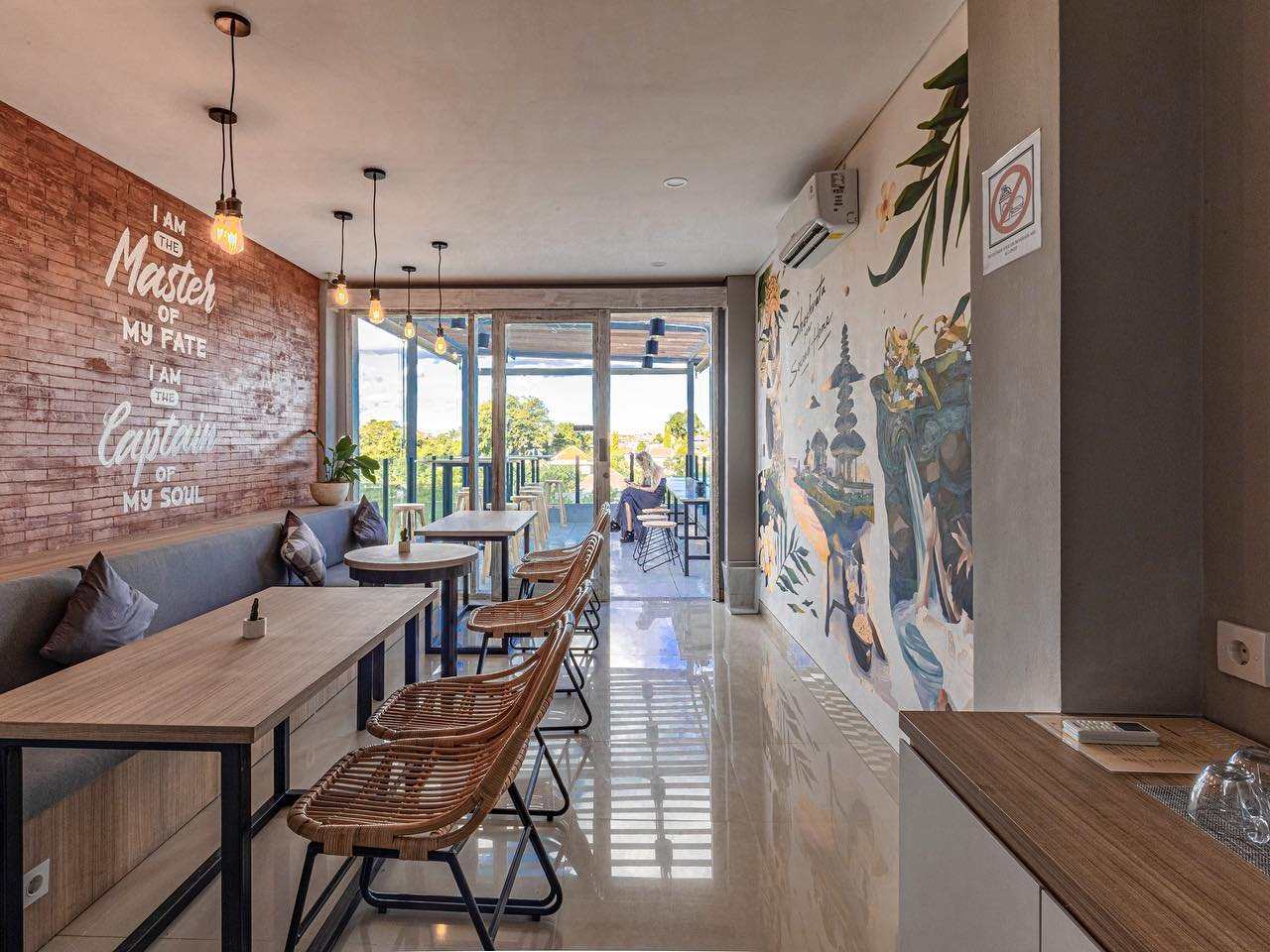
Also in Canggu & Berawa, you can find Canggu Hype for a vibrant coliving scene. 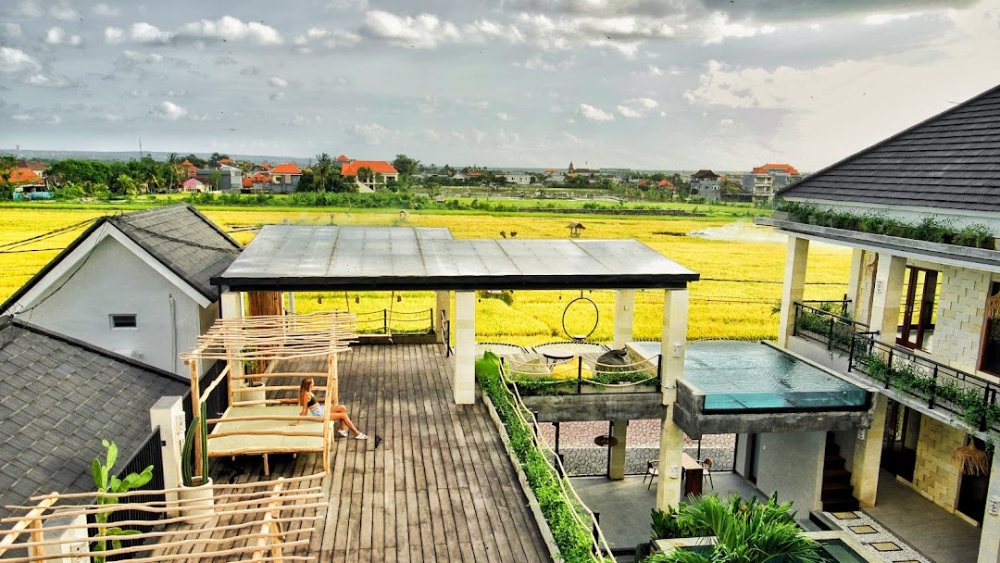
The Kamare, another option in Canggu & Berawa, provides comfortable shared accommodations. 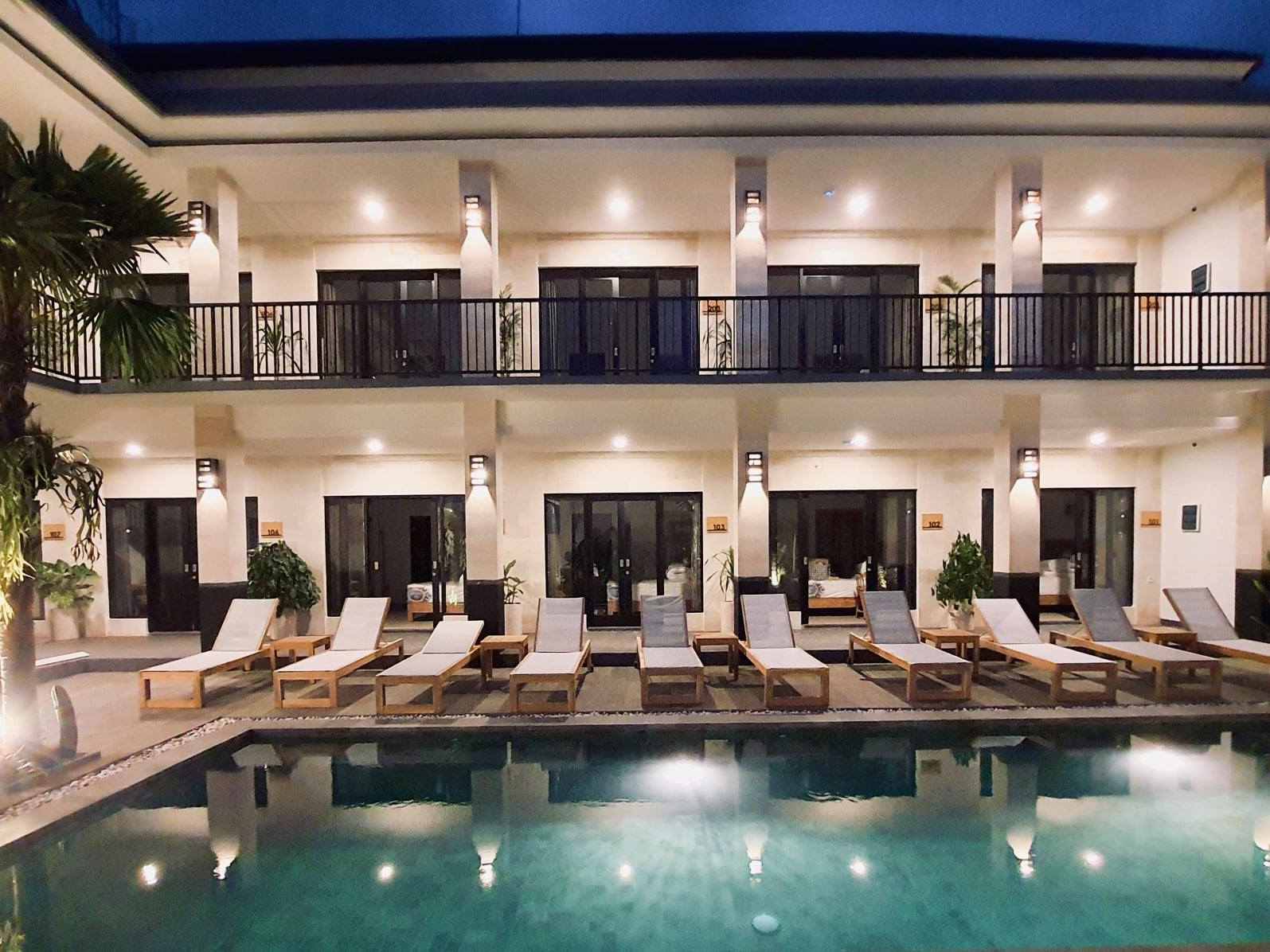
Asanaya Suites, located in Canggu & Berawa, also offers excellent coliving choices. 
Beyond Work: Exploring Bali
While your remote work is a priority, remember to carve out time for Bali’s incredible leisure opportunities. The island offers a myriad of activities to help you unwind and experience local culture.
For instance, if you’re an avid surfer looking to ride some waves, consider planning a specific 3-Day Pererenan Itinerary for Surfers to explore its renowned breaks and vibrant beach scene. Don’t forget to obtain an international driving license if you plan to explore by motorbike! 
Essential Tip: Secure Your Medical Insurance
Accidents happen, and medical bills in a foreign country can be incredibly expensive. Never stay in Bali without proper international medical insurance. Protecting your health and peace of mind is crucial for any long-term stay.
Frequently Asked Questions (FAQ)
Can I work legally in Bali as a digital nomad?
Currently, there is no official ‘Digital Nomad Visa’ that explicitly permits freelancing for Indonesian clients or receiving local payments. Most nomads use a Visit Visa (C-Type) for stays up to 180 days, which is a legal grey area for remote work. If you work for an overseas employer, the Remote Worker KITAS offers a more stable legal path.
Can I get paid in Indonesia?
No, you cannot get paid in Indonesia or work for an Indonesian company unless you hold a valid work permit (KITAS). All your income must originate from outside the country and be paid into a foreign account.
What happens if I stay longer than 183 days?
If you stay in Indonesia for more than 183 days within any 12-month period, the government will consider you a tax resident. This means you may become liable to pay income tax on your worldwide earnings to the Indonesian government.
Do I need medical insurance?
Absolutely. International medical insurance is vital. It protects you from potentially high medical costs in case of illness or injury, ensuring your safety and financial security during your stay.
Where are the best places for digital nomads to stay in Bali?
Canggu, Ubud, and Uluwatu are currently the most popular hubs with strong digital nomad communities. Sanur is also gaining popularity for its relaxed and laid-back atmosphere.
Embracing the digital nomad lifestyle in Bali is an incredible adventure, offering freedom and unique experiences. By understanding the legalities, planning your stay carefully, and connecting with the vibrant community, you can truly make the most of your remote work journey on the Island of the Gods.
Keywords: Bali digital nomad, remote work Bali, Bali visas, digital nomad taxes, Bali coworking, coliving Bali, Pererenan surfing, Indonesia remote worker, Bali lifestyle, digital nomad guide