Your Ultimate Beginner’s Guide to AI Copilot for Financial Reporting
The financial world is constantly evolving, and staying ahead means embracing new technologies. For many, artificial intelligence (AI) might seem intimidating, but an AI copilot is quickly becoming an indispensable tool for financial professionals. Let’s dive into a Beginner’s guide to AI copilot for financial reporting and explore how it can transform your workflow.
What Exactly is an AI Copilot in Finance?
Think of an AI copilot as your intelligent assistant, designed to work alongside you on various financial tasks. It leverages advanced algorithms and machine learning to process data, identify patterns, and offer insights.
These tools don’t replace human expertise; instead, they augment your capabilities, making your work more efficient and accurate. They can handle repetitive tasks, freeing you up for more strategic thinking.
Why Integrate an AI Copilot into Financial Reporting?
Adopting an AI copilot brings numerous benefits to financial reporting, from streamlining operations to enhancing decision-making. You’ll quickly see improvements in both speed and reliability.
First, it dramatically boosts efficiency by automating routine data entry and reconciliation. Second, AI enhances accuracy by minimizing human error in complex calculations and data processing. Finally, it provides deeper insights, helping you uncover trends and anomalies that manual analysis might miss.
How AI Copilots Transform Your Daily Financial Tasks
AI copilots can revolutionize many aspects of financial reporting. They excel at processing large volumes of data quickly and consistently.
For instance, an AI copilot can automate transaction categorization and reconcile accounts across various platforms. This saves significant time and reduces the likelihood of manual input errors.
Furthermore, AI tools can draft initial versions of financial statements and performance reports. They analyze real-time data to generate comprehensive summaries, which you can then review and refine.
They also play a crucial role in anomaly detection. An AI copilot can flag unusual transactions or data discrepancies that could indicate fraud or errors, giving you an early warning system.
Getting Started: Your First Steps with an AI Copilot
Ready to introduce an AI copilot into your financial reporting? You don’t need to be a tech wizard to begin. Start by identifying a specific, repetitive task where accuracy is paramount, like categorizing expenses.
Choose a user-friendly AI tool or platform that integrates with your existing financial software. Begin with small, manageable projects to build your confidence and understanding of the AI’s capabilities.
Adapting Your Skills for the AI Era
The rise of AI means financial professionals need to adapt their skill sets. Your role shifts from purely transactional tasks to more analytical and strategic functions. Understanding how to interpret AI-generated insights and prompt the AI effectively becomes crucial.
Continuous learning is key to staying competitive in this evolving landscape. Developing strong analytical skills and a solid grasp of financial principles will help you leverage AI most effectively.
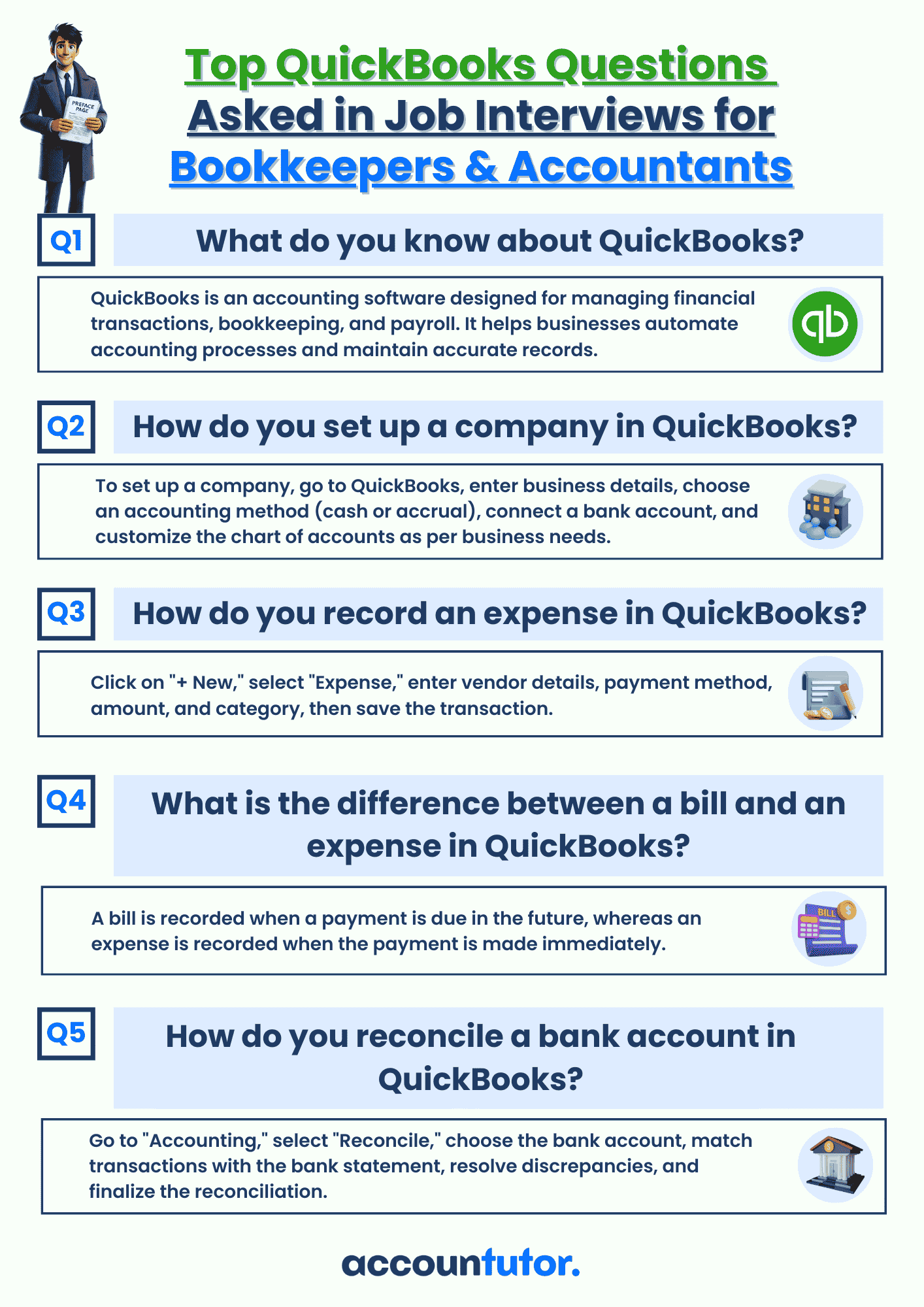
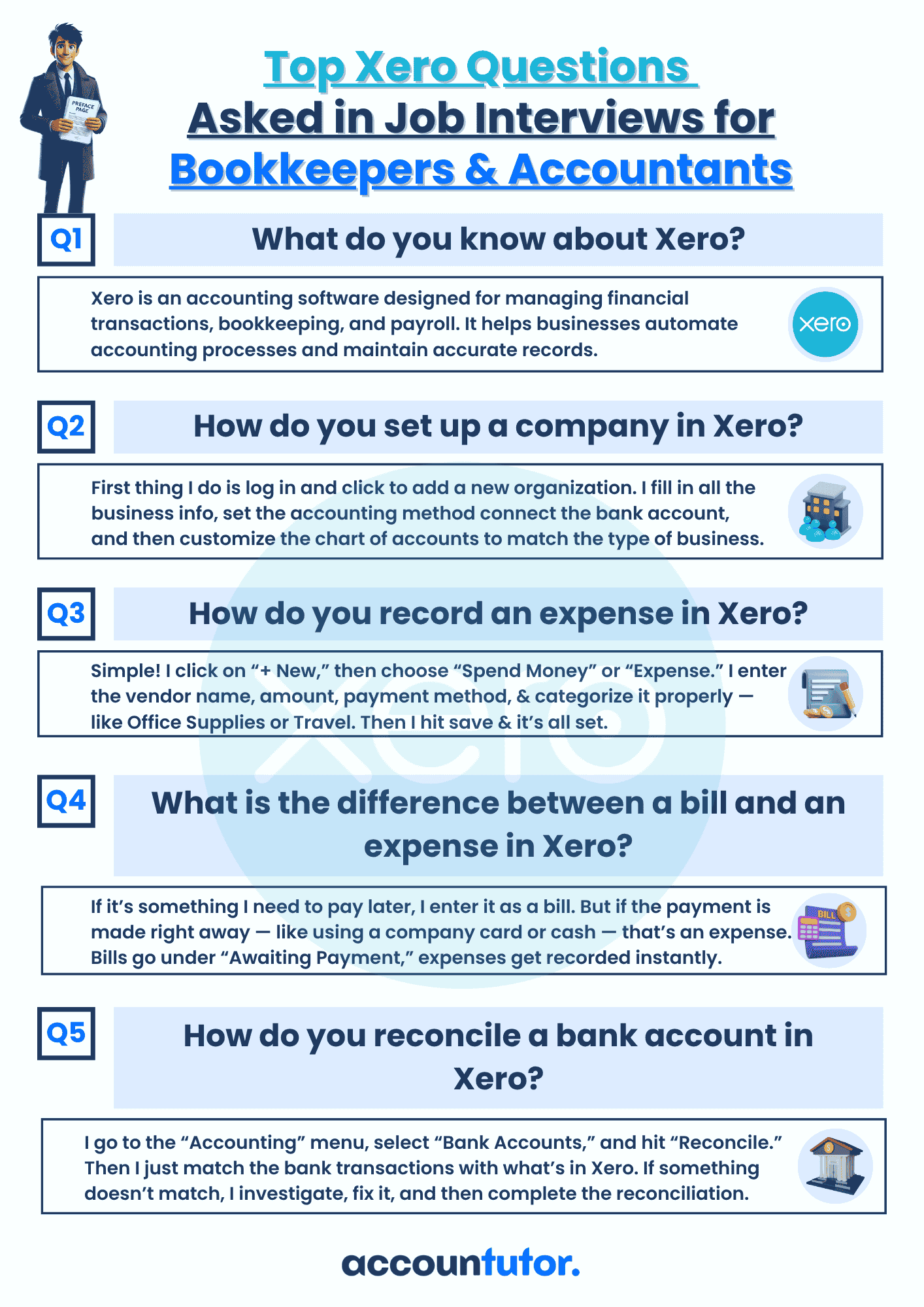
The images below illustrate the importance of staying current with accounting software skills, which AI copilots often integrate with, making interview preparation for roles in this modern financial world more critical than ever.
Challenges and Best Practices for AI in Finance
While AI offers incredible potential, it also comes with challenges. Data privacy and security are paramount; ensure any AI tool you use complies with industry regulations and best practices.
Always maintain human oversight. AI provides suggestions and automates tasks, but you remain responsible for the final financial reports and decisions. Regularly review and verify the AI’s output.
The Future of Financial Reporting is AI-Powered
AI copilots are not a fleeting trend; they represent a fundamental shift in how we approach financial reporting. They empower finance teams to work smarter, not just harder.
By embracing these tools, you can position yourself at the forefront of financial innovation. Get ready to unlock new levels of efficiency, accuracy, and strategic insight in your financial operations.
Frequently Asked Questions (FAQ)
What is an AI copilot in financial reporting?
An AI copilot is an artificial intelligence assistant that helps financial professionals automate tasks, analyze data, and generate insights for financial reporting, improving efficiency and accuracy.
Can AI copilots replace financial analysts?
No, AI copilots do not replace financial analysts. They serve as powerful tools that augment human capabilities by automating routine tasks and providing data insights, allowing analysts to focus on higher-level strategic analysis and decision-making.
Is AI accurate for financial data?
When properly trained and provided with quality data, AI copilots can achieve high levels of accuracy in processing financial data, often surpassing human consistency for repetitive tasks. However, human oversight is crucial to verify outputs and handle complex, nuanced situations.
What skills do I need to work with an AI copilot?
To work effectively with an AI copilot, you need strong financial literacy, critical thinking, problem-solving skills, and a willingness to learn new technologies. Understanding how to formulate clear prompts and interpret AI-generated insights is also beneficial.
How secure is using AI for financial data?
The security of using AI for financial data depends heavily on the specific AI tool and its provider. Always choose reputable solutions that offer robust encryption, adhere to data privacy regulations (like GDPR or CCPA), and have strong security protocols in place to protect sensitive financial information.
Keywords: AI, financial reporting, AI copilot, bookkeeping, finance automation, accounting technology, ChatGPT finance, financial analysis, reporting tools, automation