Are you a financial professional juggling countless tasks, from intricate journal entries to client communications? The daily grind of bookkeeping and accounting can feel overwhelming, especially when managing critical processes like payroll. What if a smart assistant could help you navigate these demands more efficiently? This beginner’s guide to AI copilot for payroll processing and other financial tasks will show you how.
Welcome to the world of AI copilots, where tools like ChatGPT are transforming how bookkeepers and accountants work. These aren’t here to replace you; instead, they act as intelligent assistants, available 24/7 to provide instant support and automate repetitive duties.

What is an AI Copilot like ChatGPT and Why Should Bookkeepers Care?
ChatGPT is an advanced artificial intelligence tool capable of understanding natural language prompts and generating helpful, relevant responses. For bookkeepers and accountants, this means a powerful ally ready to assist with real-world tasks. It simplifies everything from creating journal entries to drafting client emails and summarizing complex reports.
Imagine having a knowledgeable teammate specializing in accounting, always on standby to streamline your workflow. An AI copilot integrates seamlessly into your operations, saving you valuable time and effort.
1. Streamline Journal Entries with Speed and Accuracy
Traditionally, creating journal entries demanded careful thought about debits and credits. Now, with an AI copilot, you can simplify this process dramatically. Just type a request like, “Generate a journal entry for $1,200 in rent paid on May 1st from the bank,” and receive the correct entry within seconds.
This efficiency extends to all transaction types, including sales, expenses, and critically, payroll. For instance, you can ask, “Draft a journal entry for monthly payroll expenses of $10,000, including wages, taxes, and net pay.” Your AI copilot will quickly provide the precise debits and credits, ensuring accuracy and speeding up your payroll processing.
2. Simplify Financial Reports for Clients
Many clients find financial reports confusing, often preferring a clear, concise overview rather than intricate details. Instead of spending hours crafting explanations, you can paste the report into your AI copilot and ask for a summary of the key findings. It will generate an easy-to-understand synopsis you can share directly with clients.
This approach not only saves your time but also boosts client confidence by delivering financial insights in an accessible format. It helps them grasp their financial standing without getting bogged down in jargon.
3. Effortless Professional Email Drafting
Writing professional emails, especially reminders or follow-ups, can be time-consuming. An AI copilot can draft these communications in moments. Simply prompt it with, “Write a reminder email for missing receipts,” and watch it generate a polished message for you.
Whether you need a thank-you note, a deadline reminder, or a detailed follow-up, your AI assistant ensures you always have the right words. This feature significantly reduces the time spent on administrative tasks, freeing you to focus on more strategic work.
4. Rapidly Answer Common Client Questions
Clients frequently ask similar questions, such as, “Why is my profit different from my bank balance?” or “Do I need to keep every receipt?” Instead of formulating new answers each time, you can leverage your AI copilot to generate quick, clear responses.
You can even save these AI-generated answers as templates for future use, ensuring consistent and professional communication. This capability allows you to respond promptly and efficiently, enhancing client satisfaction.
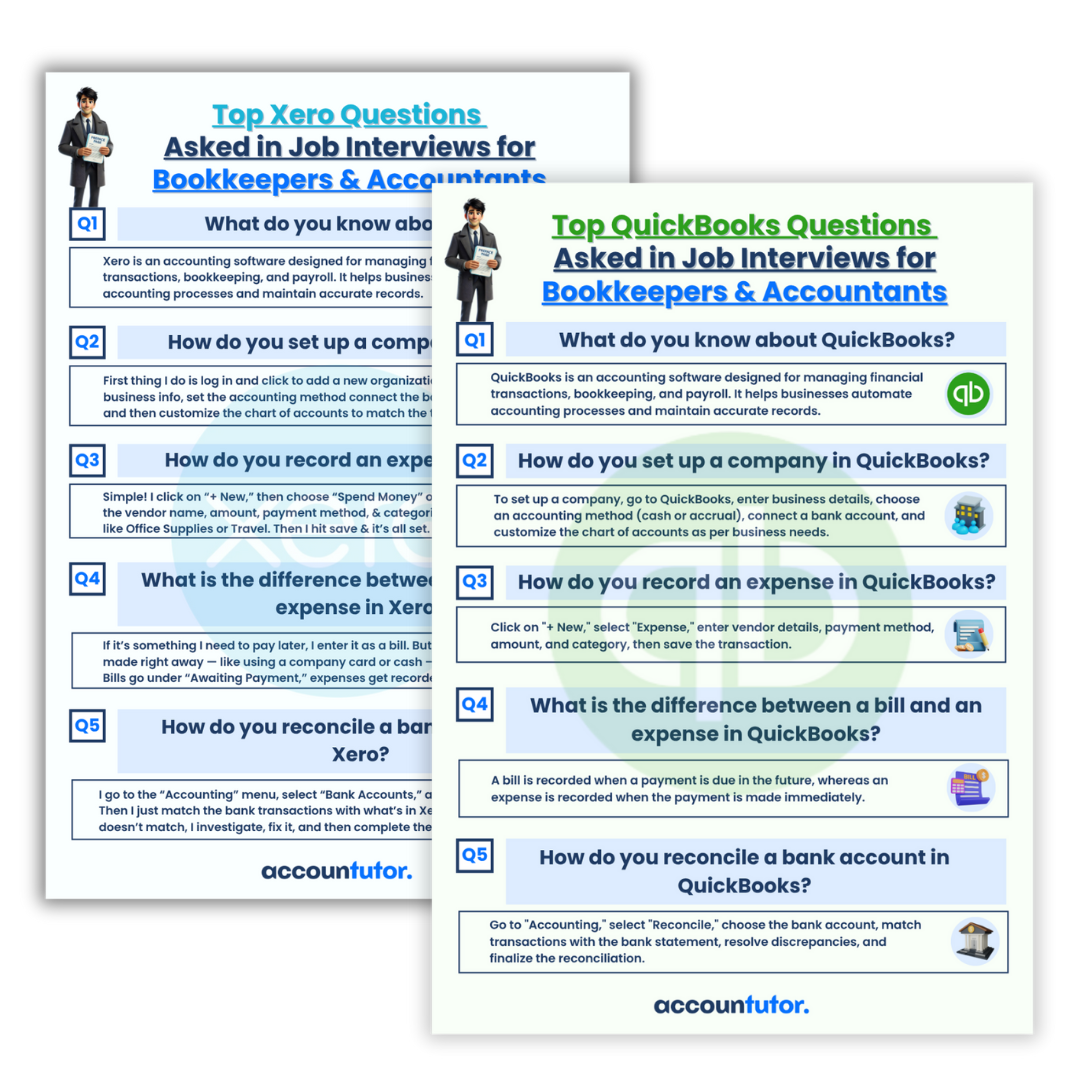
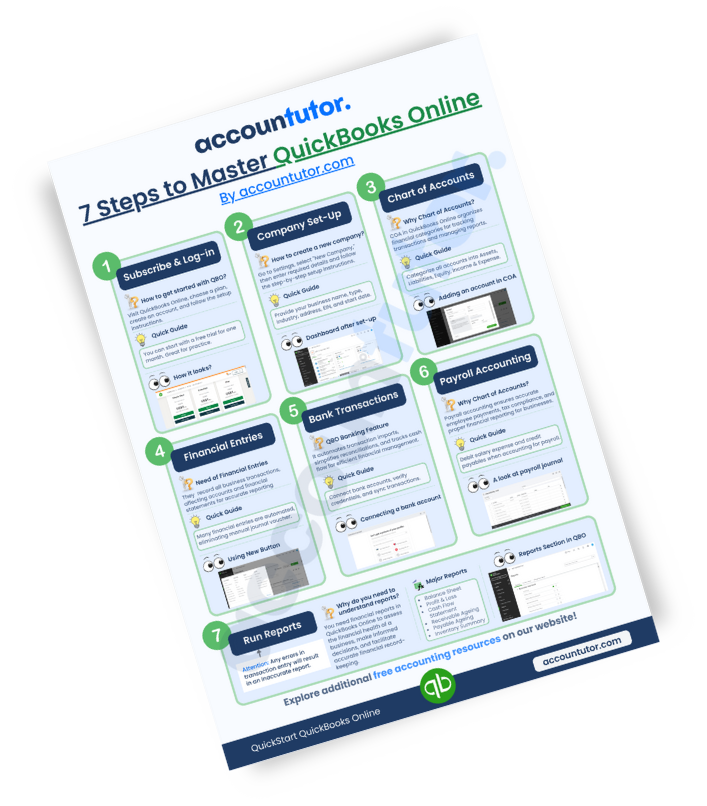
5. Enhance Your Use of QuickBooks and Xero Accounting
If you utilize QuickBooks Online or Xero for your bookkeeping, an AI copilot can significantly augment your experience. It helps you interpret reports, clarify transactions, and even compose summaries of your financial data within these platforms. You don’t need to be a tech expert; just ask your questions, and the AI will guide you.
An AI copilot acts as an intelligent layer over your existing accounting software, helping you extract deeper insights and manage your data more effectively. This integration enhances your productivity and understanding.
Become a Modern Financial Professional with AI
To truly harness the power of AI, learning how to ask the right questions is crucial. By mastering prompt engineering, you can get accurate and valuable results from tools like ChatGPT. Step-by-step training can teach you to use AI for journal entries, email composition, report summarization, and more, providing you with ready-to-use prompts and real-world examples.
Today, financial professionals who embrace smart tools like AI copilots stand out. They complete tasks faster, serve clients better, and create more opportunities for growth. Incorporating AI into your workflow is a smart move that saves time, reduces stress, and elevates the quality of your services.
FAQ: Beginner’s Guide to AI Copilot for Payroll Processing
- Q: What is an AI copilot in the context of payroll processing?
- A: An AI copilot is an artificial intelligence tool, like ChatGPT, that assists with various financial tasks, including payroll processing. It can help generate journal entries, explain payroll figures, and even draft communications related to salaries and taxes, making the process faster and more accurate.
- Q: Can an AI copilot replace a human bookkeeper for payroll?
- A: No, an AI copilot is designed to assist, not replace, human professionals. It automates repetitive tasks, provides quick insights, and helps draft communications, allowing bookkeepers to focus on complex analysis, strategic planning, and client relationships, especially in sensitive areas like payroll.
- Q: Is it safe to use AI for sensitive payroll data?
- A: When using AI for payroll, it’s crucial to prioritize data security and privacy. Avoid inputting highly sensitive, personally identifiable information directly into public AI models. Instead, use AI to generate templates, explain concepts, or process anonymized data. Always review and verify any AI-generated output for accuracy and compliance.
- Q: How can I learn to use an AI copilot effectively for my accounting tasks?
- A: Many resources, including online courses and tutorials, teach you how to use AI copilots like ChatGPT effectively. These often cover prompt engineering techniques, real-world examples for journal entries, report summarization, and email drafting, helping you integrate AI into your daily workflow.
- Q: What accounting software does an AI copilot work well with?
- A: AI copilots can integrate effectively with popular accounting software like QuickBooks Online and Xero. They help you understand reports, explain transactions, and summarize data generated by these systems, enhancing your overall productivity and data analysis capabilities.
Keywords: AI copilot, payroll processing, bookkeeping, ChatGPT, accounting software, journal entries, financial reports, small business finance, AI for accountants, productivity tools