A Beginner’s Guide to AI Software for Accounts Payable
In our fast-paced world, technology continues to reshape how we conduct business. Artificial intelligence (AI) often sparks fears of automation replacing human roles. However, when we embrace AI thoughtfully, it becomes a powerful assistant, particularly in financial operations like accounts payable.
This article serves as a beginner’s guide to AI software for accounts payable, exploring how these smart tools can enhance efficiency, accuracy, and strategic decision-making. Instead of replacing skilled professionals, AI empowers them to focus on higher-value tasks, ushering in a new era of financial management.

What Exactly is AI Software for Accounts Payable?
Simply put, AI software in accounts payable leverages advanced algorithms to automate and optimize tasks traditionally handled manually. Think of it as a highly sophisticated digital assistant capable of understanding, processing, and generating financial data with impressive precision.
These AI models learn from vast amounts of data, allowing them to recognize patterns, make predictions, and even engage in context-aware interactions. This capability makes them invaluable for streamlining complex financial workflows.
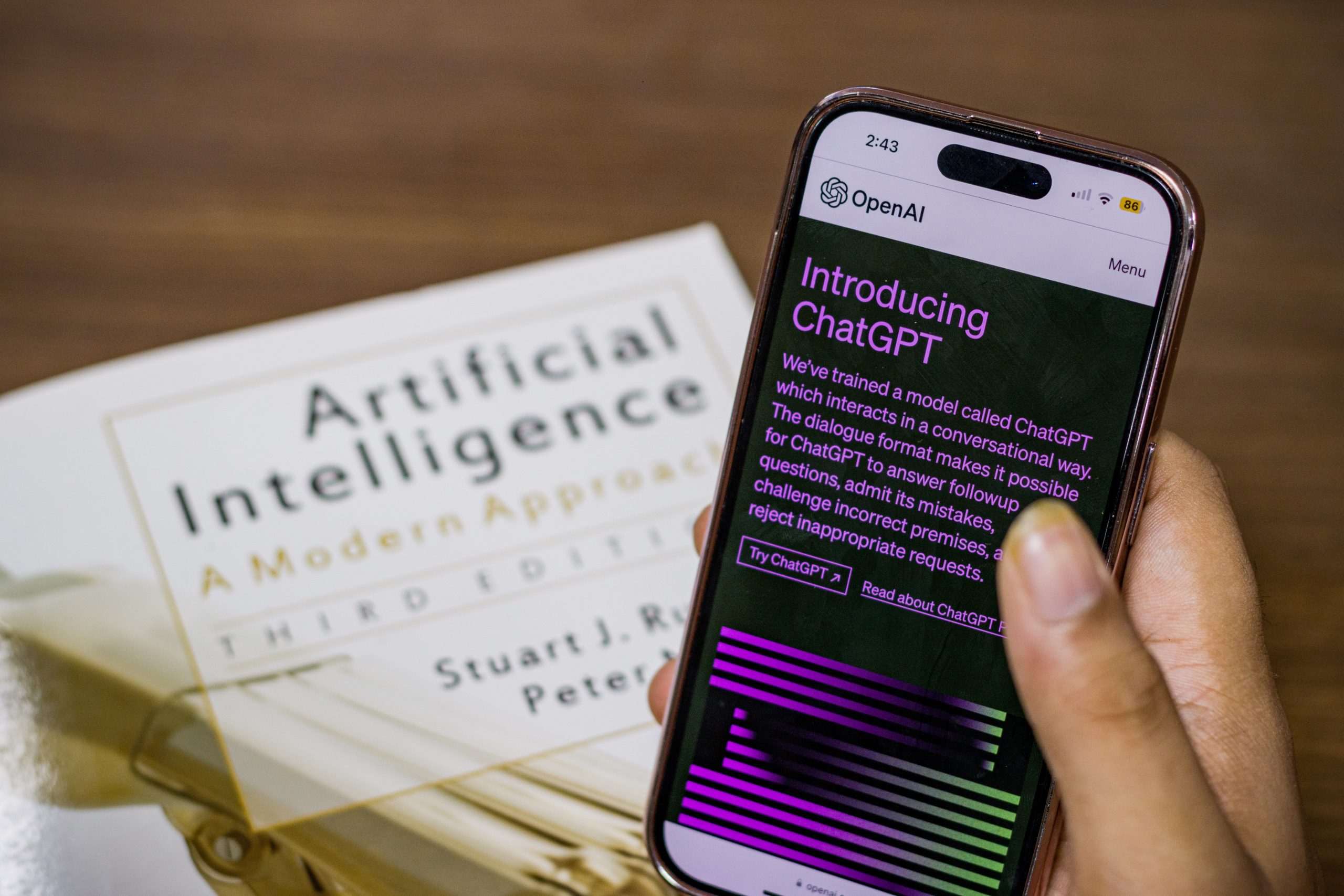
How AI Software Transforms Accounts Payable Operations
AI holds immense potential to revolutionize accounts payable by automating numerous tasks and providing deeper financial insights. Accounts payable teams can boost their productivity, reduce errors, and contribute more strategically to their organizations.
Let’s explore some key areas where AI can make a significant difference:
1. Automated Invoice Processing and Data Entry
AI software can dramatically simplify invoice handling. It automatically extracts relevant information from invoices, receipts, and other financial documents, categorizes transactions, and records journal entries. This automation saves considerable time and significantly reduces the chance of manual data entry errors.
2. Enhanced Audit and Compliance Support
Auditors can utilize AI to detect potential errors or irregularities within financial statements and transactions. AI automates compliance checks, flags suspicious activities, and even helps in fraud detection, making audit processes far more efficient and effective.
3. Data Analysis and Insight Generation
AI excels at analyzing large volumes of financial data. It quickly identifies trends, correlations, and opportunities that humans might miss. This capability enables accounts payable professionals to make data-driven decisions and pinpoint areas for process improvement or cost savings.
4. Improved Decision-Making and Forecasting
By providing real-time financial information and performing scenario analyses, AI supports informed decision-making. It aids in budgeting, cash flow management, and strategic planning, giving businesses a clearer picture of their financial future.

5. Streamlined Vendor Management and Communication
AI tools can assist in managing vendor relationships, from onboarding to payment inquiries. They can answer common questions, provide payment status updates, and help navigate complex vendor policies, improving overall communication efficiency.
Key Benefits of Integrating AI into Accounts Payable
Adopting AI software for accounts payable offers a wide array of advantages that can significantly uplift financial management processes. Here are some primary benefits you can expect:

1. Significant Efficiency and Time Savings
AI automates repetitive tasks like data entry and invoice categorization. This allows your accounts payable team to focus on more strategic activities, boosting overall efficiency and saving valuable time.
2. Superior Accuracy and Reduced Errors
Leveraging its computational power, AI minimizes human errors in calculations and data entry. Its ability to process vast amounts of data accurately reduces the risk of costly mistakes, ensuring reliable financial records.
3. Advanced Data Analysis and Deeper Insights
AI swiftly analyzes large datasets to identify patterns, trends, and anomalies. This provides accounts payable professionals with valuable insights, empowering them to make data-driven decisions for better financial management.
4. Prompt Access to Relevant Information
AI delivers quick responses to financial inquiries, offering real-time information on demand. Accounts payable teams can access critical data, reports, and insights instantly, enabling faster resolutions and better responsiveness.
5. Enhanced Decision-Making Capabilities
With its ability to generate meaningful insights and forecasts, AI directly supports informed business decisions. It helps accounts payable professionals predict various scenarios, analyze financial risks, and devise more effective strategies.
Challenges When Implementing AI in Accounts Payable
While AI offers numerous advantages, it’s essential to acknowledge potential challenges during implementation. Understanding these hurdles helps organizations prepare and mitigate risks effectively.

1. Trust and Reliability Concerns
AI generates responses based on its training data, which can occasionally lead to inaccuracies, especially with complex or vague queries. Human oversight and careful verification remain crucial to ensure the reliability of generated information.
2. Contextual Understanding Limitations
AI might struggle to fully grasp the nuances or intent behind certain financial queries. This can lead to incomplete or incorrect responses, highlighting the need for clear prompting and human interpretation.
3. Data Privacy and Security Risks
Implementing AI for accounts payable involves sharing sensitive financial data. Robust privacy protocols and stringent security measures are paramount to protect this information from unauthorized access or breaches.
4. Ongoing Training and Maintenance
AI systems require continuous training and updates to stay current with evolving accounting practices, regulations, and industry standards. Maintaining up-to-date datasets and implementing regular updates can be resource-intensive.
5. Ethical Considerations and Bias
Since AI learns from existing data, there’s a risk of perpetuating biases present in that data. Organizations must proactively address and mitigate these biases to ensure fair and impartial outcomes in accounts payable processes.
The Future Impact of AI on the Accounts Payable Industry
AI is poised to significantly impact the accounts payable industry, reshaping traditional practices and workflows. These changes will lead to a more efficient, accurate, and strategically focused AP function.

1. Redefining Roles and Responsibilities
As AI automates routine tasks, accounts payable professionals will shift towards more analytical and strategic roles. They will focus on interpreting data, managing vendor relationships, and contributing to financial strategy rather than just processing invoices.
2. Driving Hyper-Automation and Integration
AI will lead to greater integration across financial systems, enabling end-to-end automation of accounts payable workflows. This creates a seamless flow of information from procurement to payment, reducing bottlenecks and improving transparency.
3. Fostering Greater Transparency and Control
With AI-driven insights, organizations gain greater visibility into their spending patterns and cash flow. This enhanced transparency allows for tighter control over expenditures and better financial forecasting.
Specialized AI Solutions for Accounts Payable
While general AI models offer broad assistance, specialized AI tools are emerging specifically for accounts payable. These solutions integrate directly with existing financial systems, offering tailored features that go beyond general capabilities.
They can include features like intelligent document processing for various invoice formats, proactive alerts for duplicate payments, and advanced analytics on vendor performance. Such specialized AI aims to virtually eliminate manual data entry and fragmented information within the AP department.

Frequently Asked Questions About AI in Accounts Payable
Q1: Will AI replace my job in accounts payable?
No, AI is more likely to augment your role rather than replace it. AI automates repetitive tasks, freeing up accounts payable professionals to focus on strategic analysis, problem-solving, and vendor relationship management. Your expertise becomes even more valuable in overseeing and leveraging AI tools.
Q2: How secure is financial data with AI software?
Leading AI software providers prioritize data security with robust encryption, access controls, and compliance certifications. However, organizations must also implement strong internal security practices and choose reputable vendors to protect sensitive financial information effectively.
Q3: Is AI software difficult to implement in accounts payable?
Implementation complexity varies depending on the chosen solution and your existing infrastructure. Many modern AI solutions offer user-friendly interfaces and integrations with popular ERP systems. Starting with a pilot project can help ease the transition and fine-tune the system to your specific needs.
Q4: What’s the main difference between general AI and specialized AI for AP?
General AI, like a large language model, can assist with various tasks but isn’t specifically trained on financial data or AP workflows. Specialized AI for AP, however, is designed and optimized for accounts payable processes, offering deeper functionality, higher accuracy for AP tasks, and seamless integration with financial systems.
Q5: How does AI help with compliance in accounts payable?
AI assists with compliance by automating checks against regulatory requirements and internal policies. It can flag discrepancies, identify potential risks, and ensure that all transactions adhere to predefined rules, significantly reducing the likelihood of non-compliance.
Embrace the Future of Accounts Payable with AI
The journey into AI-powered accounts payable offers exciting possibilities for greater efficiency, accuracy, and strategic insight. By understanding and embracing these technologies, you can transform your AP department into a more dynamic and value-driven function. Prepare to unlock the true potential of your financial operations!
Keywords: AI in accounts payable, AI software for AP, accounts payable automation, financial AI, AP efficiency, invoice processing AI, expense management AI, AI benefits for finance, AI challenges in AP, digital transformation finance