ChatGPT for Accounting: A Financial Revolution
In a world of rapid technological advancement, many people worry about artificial intelligence (AI) eventually taking over human roles. This concern is particularly common in industries that rely heavily on human expertise, like accounting. However, it’s crucial to understand that AI, when used thoughtfully, can become a powerful ally rather than a threat.
By embracing tools like ChatGPT, we can unlock new possibilities for enhanced efficiency and accuracy. AI serves as a sophisticated assistant, helping professionals streamline workflows, tackle complex challenges, and concentrate on high-value tasks. This approach boosts productivity and unleashes the true potential of human intelligence and creativity.

This article dives into the practical applications of ChatGPT for accounting, demonstrating how it can transform financial management. We will explore its capabilities, benefits, and challenges, providing a comprehensive understanding of its role in the modern financial landscape.
What Exactly is ChatGPT?
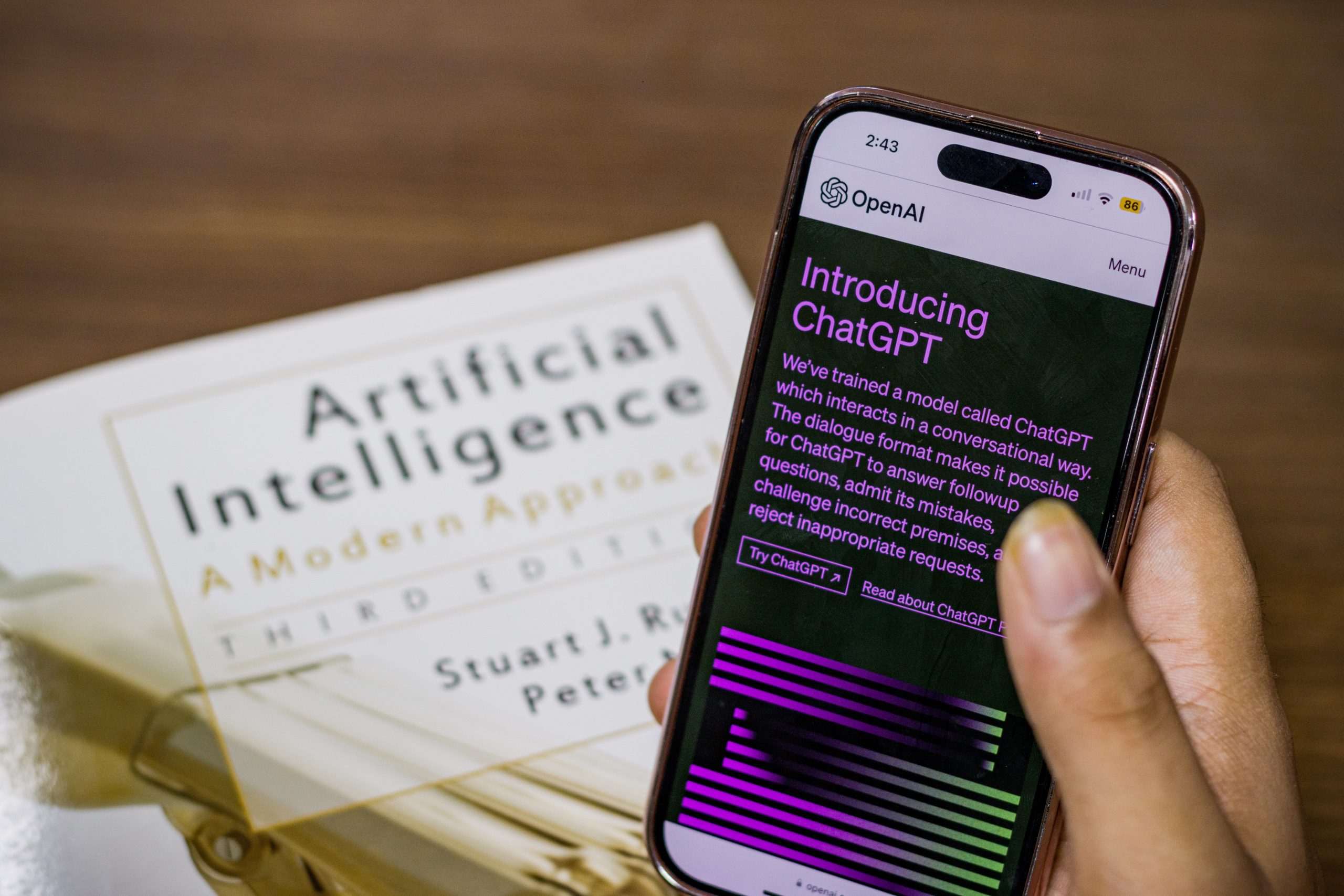
ChatGPT is an advanced AI program designed for natural, conversational interactions. Think of it as a highly sophisticated chatbot capable of understanding and generating human-like text. Developed by OpenAI, this AI model trained on a vast amount of internet text data, giving it knowledge on nearly any topic.
When you interact with ChatGPT by asking questions or providing information, it uses special techniques to understand your intent. Then, leveraging its powerful computing abilities, it generates clear and relevant responses that fit the conversation. Its ability to create remarkably authentic human-like language truly sets it apart.
Despite its impressive capabilities, ChatGPT operates purely based on computational algorithms and acquired knowledge. It lacks human consciousness or emotions. Nevertheless, its proficiency in understanding and generating text has opened exciting possibilities across various fields, including manufacturing, customer support, and, notably, accounting.
A Beginner’s Guide to ChatGPT for Financial Statements

ChatGPT holds immense potential to revolutionize accounting, especially when dealing with financial statements. Its advanced language processing capabilities can streamline and automate various accounting tasks, saving time and improving overall efficiency. Accountants can enhance their productivity, gain deeper financial insights, and make more informed business decisions with ChatGPT’s assistance.
Key Areas Where ChatGPT Assists with Financial Statements:
-
Bookkeeping and Data Entry: ChatGPT simplifies bookkeeping by categorizing transactions, recording journal entries, and automating data entry. It extracts relevant information from invoices, receipts, and other financial documents, significantly reducing manual errors and saving time.
-
Audit and Compliance Support: Auditors can use ChatGPT to detect potential errors or irregularities within financial statements. It automates compliance checks, flags suspicious transactions, and aids in fraud detection, thereby improving audit processes’ efficiency and effectiveness.
-
Decision-Making and Forecasting: ChatGPT provides real-time financial information, directly supporting data-driven decisions. It performs scenario analysis and financial forecasting, which are crucial for budgeting, cash flow management, and strategic planning based on financial statements.
-
Data Analysis and Insights: The AI analyzes large volumes of financial data, identifying trends, correlations, and opportunities hidden within your statements. Extracting meaningful insights empowers accountants to make data-driven decisions and pinpoint areas for improvement.
-
Process Automation and Efficiency: By automating repetitive tasks, ChatGPT frees up accountants to focus on more complex and value-added activities related to financial statement analysis. This reduces manual effort, enhances efficiency, and minimizes errors across the board.
While ChatGPT significantly assists with accounting tasks, it does not replace the expertise and judgment of professional accountants. Human oversight and verification remain essential to ensure accuracy, compliance, and ethical considerations in financial management.
Benefits of Using ChatGPT in Accounting

Integrating ChatGPT into accounting offers numerous advantages that can significantly improve financial management processes. These key benefits streamline operations and provide deeper insights.
-
Increased Efficiency and Time Savings: ChatGPT automates repetitive accounting tasks like data entry and categorization. This allows accountants to dedicate more time to strategic activities, improving overall efficiency and saving valuable time.
-
Enhanced Accuracy: Leveraging its computational power, ChatGPT minimizes human errors in calculations, data entry, and financial analysis. Its ability to process vast amounts of data accurately reduces the risk of mistakes in financial reporting.
-
Advanced Data Analysis: ChatGPT quickly analyzes large financial datasets, identifying patterns, trends, and anomalies. This capability enables accountants to gain valuable insights and make data-driven decisions for better financial management.
-
Rapid and Relevant Information: The AI provides prompt responses to financial queries, offering real-time information. Accountants can access critical data, financial reports, and insights on demand, facilitating faster problem resolution.
-
Improved Decision-Making: By generating meaningful insights and forecasts, ChatGPT supports informed business decisions. It helps accountants predict various scenarios, analyze financial risks, and devise effective strategies.
-
Stronger Audit and Compliance Support: ChatGPT assists auditing processes by detecting potential errors or irregularities in financial statements. It automates compliance checks, ensuring adherence to regulations and enhancing audit efficiency.
-
Continuous Learning and Adaptability: Organizations can train and customize ChatGPT with relevant data to meet unique requirements. It learns from past interactions, improving its responses and aligning more closely with specific accounting practices over time.
Challenges of Integrating ChatGPT in Accounting

While ChatGPT offers numerous benefits for accounting, it also presents several challenges that users must consider. Addressing these issues is crucial for successful implementation.
-
Trustability and Reliability: ChatGPT generates responses based on patterns in its training data, which can sometimes lead to inaccurate or unreliable results, especially with complex queries. Careful verification and human oversight remain essential to ensure accuracy.
-
Limited Contextual Understanding: ChatGPT might struggle to grasp the full context or intent behind a question, potentially leading to incomplete or incorrect responses. It may interpret queries too literally or miss subtle nuances, impacting reliability.
-
Data Privacy and Security Concerns: Using ChatGPT for accounting involves sharing sensitive financial data with the AI system. Implementing stringent privacy and security measures is vital to protect this information from unauthorized access or breaches.
-
Ongoing Training and Maintenance: ChatGPT requires continuous training and updates to stay relevant and aligned with evolving accounting practices, regulations, and industry standards. Maintaining an up-to-date dataset and implementing regular updates can be resource-intensive.
-
Ethical Considerations: Since ChatGPT generates responses based on its training data, there is a risk of perpetuating inherent biases present in that data. Proactively addressing and mitigating these biases ensures fair and impartial outcomes in accounting processes.
-
Handling Complex Scenarios: ChatGPT may struggle with highly complicated or specialized accounting scenarios that demand deep domain expertise. Its responses might lack the nuanced experience required for intricate financial analysis or interpreting specific regulations.
-
Dependency on Network Infrastructure: As an online service, ChatGPT requires a stable internet connection and reliable infrastructure. Any disruptions in connectivity or technical issues can hinder its availability and impact workflow efficiency.
To overcome these challenges, striking a balance between leveraging ChatGPT’s capabilities and maintaining human expertise is vital. Combining AI’s strengths with the critical thinking and judgment of human specialists maximizes the benefits of using ChatGPT for accounting.
How ChatGPT Will Impact the Accounting Industry

ChatGPT is poised to significantly impact the accounting industry, introducing changes that will reshape traditional practices. Its influence will be felt across various aspects of financial management.
-
Automation of Repetitive Tasks: ChatGPT will automate routine and repetitive accounting tasks, such as data entry, categorization, and report generation. This shift reduces manual effort, enhances productivity, and allows accountants to focus on more strategic, in-depth activities.
-
Enhanced Accuracy and Error Reduction: The AI’s capabilities minimize human errors in data entry, calculations, and analysis. Processing large volumes of data with precision improves the accuracy of financial reporting and analysis, leading to more reliable financial information.
-
Advanced Data Analysis and Insights: ChatGPT’s ability to analyze vast amounts of financial data provides accountants with deeper insights. This supports data-driven decisions, helping professionals identify patterns, trends, and anomalies to optimize financial performance.
-
Improved Compliance and Audit Support: ChatGPT helps ensure compliance with accounting regulations and standards. Automating compliance checks and supporting audit processes enhances the effectiveness and efficiency of regulatory adherence and auditing, reducing the risk of errors and legal issues.
Specialized AI for Business Operations

While ChatGPT offers a general AI assistant for various administrative and accounting tasks, specialized AI tools provide tailored solutions. These tools integrate directly with existing systems, eliminating manual data entry and scattered information by focusing on specific industry needs.
For instance, solutions like Katana’s AI (KAI) bring powerful features designed for manufacturing and sales. They can automate sales order creation from emails, provide real-time business overviews through sales widgets, and offer sales insights with intuitive, visualization-generating prompts. This specialization helps businesses streamline, automate, and grow more effectively in their niche.

Frequently Asked Questions (FAQ)
Q1: Can ChatGPT replace human accountants?
A: No, ChatGPT cannot replace human accountants. It serves as a powerful tool to assist accountants by automating repetitive tasks, providing insights, and improving efficiency. Human judgment, ethical considerations, and complex problem-solving skills remain indispensable in accounting.
Q2: How accurate is ChatGPT for financial analysis?
A: ChatGPT can process and analyze large volumes of financial data with high accuracy for routine tasks. However, its reliability depends on the quality of its training data and the specificity of the queries. Always verify its outputs, especially for critical financial decisions, as it can occasionally produce inaccurate information.
Q3: What are the biggest security risks when using ChatGPT with financial data?
A: The main security risks involve data privacy and potential breaches. Sharing sensitive financial information with any AI system requires robust security measures to prevent unauthorized access. Organizations must ensure that any AI tool used complies with data protection regulations.
Q4: Is ChatGPT suitable for small businesses without dedicated accounting teams?
A: Yes, ChatGPT can be particularly beneficial for small businesses. It helps automate basic bookkeeping, generate preliminary financial reports, and answer common financial queries, which can be a significant advantage when a dedicated accounting team is not available. However, professional oversight is still recommended for critical tasks.
Q5: How can beginners start using ChatGPT for financial statements?
A: Beginners can start by using ChatGPT for simple tasks like categorizing expenses, drafting basic financial report summaries, or asking for explanations of accounting terms. Experiment with clear, specific prompts and always cross-reference the AI’s output with reliable sources or a human accountant to ensure accuracy.
Keywords: ChatGPT, AI in accounting, financial statements, accounting automation, bookkeeping, financial analysis, audit support, data entry, financial forecasting, AI benefits