A Beginner’s Guide to GPT-4 for Audit Preparation
The financial world constantly evolves, with technological advancements reshaping how we manage and analyze data. Artificial intelligence (AI), particularly advanced models like GPT-4, is at the forefront of this transformation. While some express apprehension about AI’s role, it truly offers powerful opportunities to enhance human capabilities, not replace them.
This article explores how GPT-4, a sophisticated AI, can become an invaluable ally for finance professionals. We’ll specifically delve into its potential as a beginner’s guide to GPT-4 for audit preparation, showcasing how it can streamline tasks, improve accuracy, and provide deeper insights for a more efficient audit process.

Understanding GPT-4: Your AI Assistant
GPT-4 stands as an advanced AI model, a significant evolution from its predecessors like ChatGPT. Developed by OpenAI, it’s designed for highly sophisticated conversational interactions. Think of it as an intelligent digital assistant capable of understanding and generating human-like text with remarkable accuracy and nuance.
This AI has undergone training on an extensive dataset of internet text, giving it a vast knowledge base across countless topics. When you interact with GPT-4, it employs complex algorithms to interpret your queries and generate relevant, coherent, and contextually appropriate responses. It’s like having a virtual conversation partner who can offer insights and process information at an incredible speed.
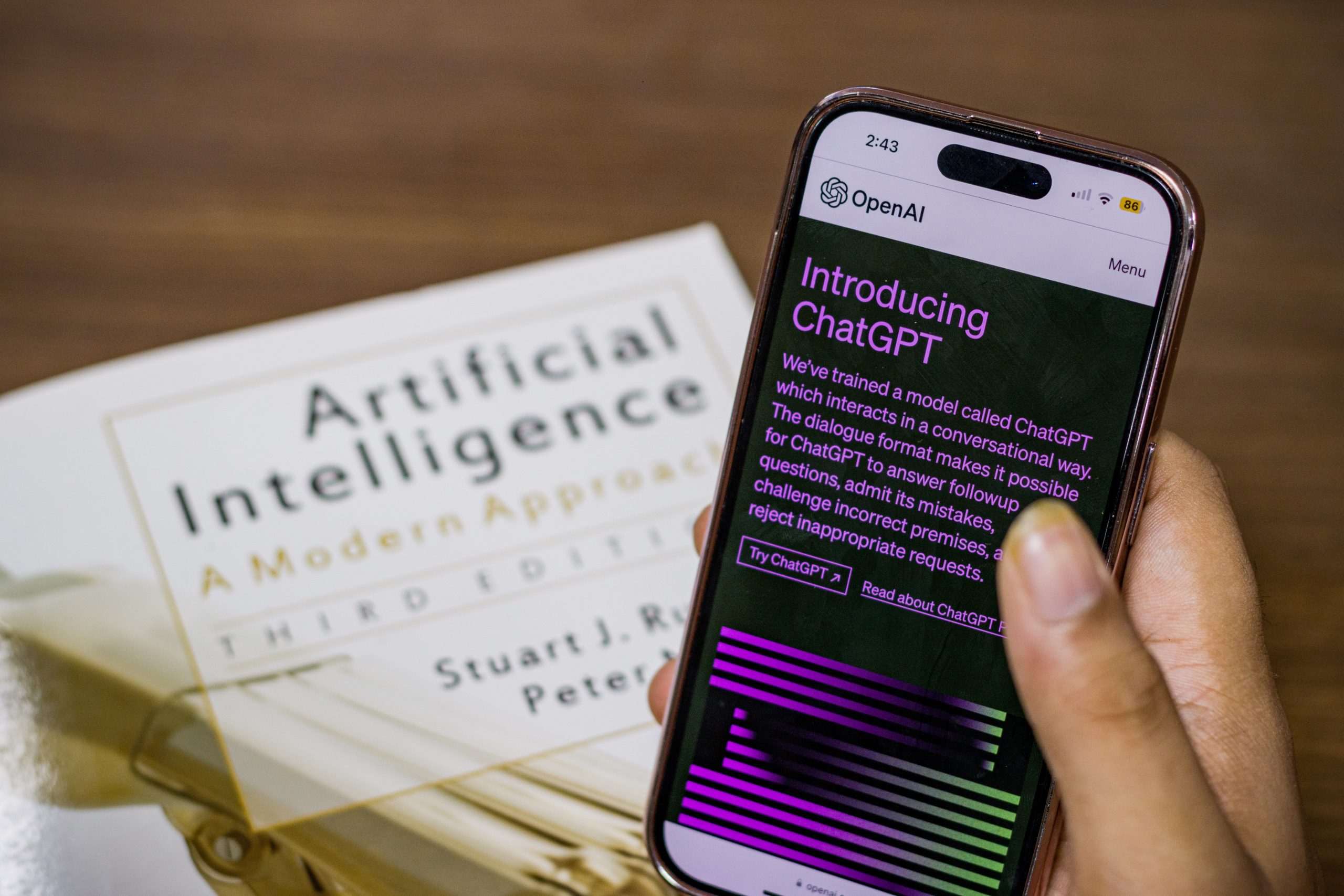
However, it’s crucial to remember that despite its impressive abilities, GPT-4 operates purely based on computational logic. It lacks human consciousness, emotions, or genuine understanding. Its strength lies in its capacity to process and synthesize information, making it a powerful tool for various applications, including critical financial tasks.
GPT-4’s Role in Modern Audit Preparation
GPT-4 holds immense potential to revolutionize how audit teams prepare for and conduct audits. By leveraging its advanced language processing and data analysis capabilities, auditors can streamline numerous tasks, enhance efficiency, and gain deeper financial insights.
Here’s how GPT-4 can significantly assist in audit preparation:
1. Streamlining Data Extraction and Entry
Auditors often spend considerable time on manual data entry and extraction from various financial documents. GPT-4 can automate these tedious tasks by accurately extracting relevant information from invoices, receipts, contracts, and other financial records. This capability saves significant time and drastically reduces the potential for human errors.
2. Enhancing Compliance Checks and Anomaly Detection
One of GPT-4’s most powerful applications in auditing is its ability to automate compliance checks. It can quickly review large volumes of transactions and financial statements against regulatory guidelines and internal policies. This helps auditors flag potential errors, identify suspicious transactions, and contribute to early fraud detection, improving the overall efficiency and effectiveness of audit processes.
3. Advanced Data Analysis and Insight Generation
GPT-4 excels at analyzing vast amounts of financial data to uncover trends, correlations, and anomalies that might go unnoticed by human review alone. This capability enables auditors to gain deeper insights into a company’s financial health. Identifying these patterns supports more data-driven decisions and highlights areas requiring further investigation.
4. Supporting Financial Forecasting and Scenario Analysis
While not replacing human judgment, GPT-4 can assist in financial forecasting and scenario analysis. It processes historical data to identify patterns and predict future outcomes, helping in budgeting, cash flow management, and strategic planning. This support provides auditors with a broader context for evaluating financial health and risks.
5. Assisting with Documentation and Reporting
Generating comprehensive audit documentation and reports is a time-consuming but essential part of the audit process. GPT-4 can help draft preliminary reports, summarize findings, and structure audit evidence. This speeds up documentation, allowing auditors to focus on verifying the accuracy and completeness of the content.

Key Benefits of Integrating GPT-4 into Audit Preparation
Adopting GPT-4 in audit preparation offers several compelling advantages that can significantly improve financial management and oversight.
1. Boosting Efficiency and Saving Time
GPT-4 automates many repetitive and time-consuming audit tasks, such as data extraction and initial compliance checks. This allows audit professionals to reallocate their focus to more complex analysis, strategic insights, and critical judgment, enhancing overall team efficiency.
2. Improving Accuracy and Reducing Errors
Leveraging its computational power, GPT-4 minimizes human errors in calculations, data entry, and preliminary financial analysis. Its capacity to process extensive data volumes with precision drastically improves accuracy. This ultimately reduces the risk of mistakes in financial reporting and audit findings.
3. Enabling Advanced Data Analysis and Insights
GPT-4 can swiftly analyze massive financial datasets, identifying intricate patterns, trends, and anomalies. This capability empowers auditors to gain valuable insights that might be difficult to spot manually. Such insights drive more informed decisions and pinpoint potential areas of concern.
4. Providing Quick and Relevant Information
Auditors can receive prompt responses to specific financial queries, accessing critical data, reports, and insights on demand. This real-time information access enables faster issue resolution and more agile decision-making during the audit cycle.
5. Enhancing Regulatory Compliance Support
GPT-4 actively assists in ensuring adherence to accounting regulations and industry standards. By automating compliance checks and supporting audit processes, it improves the effectiveness and efficiency of regulatory oversight, thereby reducing potential legal and financial risks.

Challenges of Using GPT-4 in Audit Preparation
While GPT-4 offers numerous advantages, integrating it into audit preparation also presents specific challenges that require careful consideration and management.
1. Trustability and Reliability Concerns
GPT-4 generates responses based on patterns learned from its training data, which can sometimes lead to inaccurate or unreliable outputs, especially with ambiguous or highly specialized queries. Auditors must exercise careful verification and maintain human oversight to ensure the accuracy of generated information, as blindly trusting AI can lead to significant financial or legal repercussions.
2. Limited Contextual Understanding
GPT-4 may struggle to fully grasp the intricate context or underlying intent behind complex financial questions. This can result in incomplete or subtly incorrect responses, as it might interpret queries too literally or miss critical nuances specific to auditing practices. Auditors must refine prompts and critically evaluate outputs.
3. Data Privacy and Security Risks
Utilizing GPT-4 for audit preparation necessitates sharing sensitive financial data with the AI system. Implementing robust privacy protocols and stringent security measures is absolutely essential. This protects confidential information from unauthorized access, data breaches, or misuse, ensuring compliance with data protection regulations.
4. Continuous Training and Maintenance
To remain relevant and effective, GPT-4 requires continuous training and updates. This ensures it aligns with evolving accounting practices, new regulations, and industry standards. Maintaining an up-to-date dataset and implementing regular model updates can be resource-intensive for organizations.
5. Ethical Considerations and Bias
As GPT-4 learns from existing data, there’s a risk of it perpetuating biases present in that data. Auditors must proactively address and mitigate these biases to ensure fair, impartial, and objective outcomes in all audit processes. Transparency in AI usage is also a key ethical consideration.

The Impact of GPT-4 on the Auditing Industry
GPT-4 is poised to significantly impact the auditing industry, fundamentally reshaping traditional practices and roles. Its advanced capabilities will introduce transformative changes that enhance how audits are conducted.
Firstly, GPT-4 will automate numerous routine and repetitive audit tasks, such as initial data validation and report generation. This shift reduces manual effort, boosts productivity, and empowers auditors to focus on more strategic analysis, critical thinking, and in-depth investigations. Accuracy will also dramatically improve as AI minimizes human errors in data processing and analysis, leading to more reliable financial reporting.
Furthermore, GPT-4’s ability to analyze vast financial datasets will provide auditors with deeper insights than ever before. This supports data-driven decision-making, helping to identify patterns, trends, and anomalies crucial for comprehensive audit findings. Importantly, it will significantly bolster compliance and audit support, ensuring adherence to regulations and enhancing the effectiveness of regulatory oversight. Ultimately, GPT-4 will augment human auditors, making their work more precise, efficient, and insight-driven.

Specialized AI: Beyond General Purpose Tools
While general AI like GPT-4 offers broad assistance, specialized AI solutions are also emerging, tailored for specific business functions. For instance, Katana’s AI (KAI) is designed to integrate directly with inventory management systems, offering targeted automation for manufacturing operations.
KAI provides features like a Sales Order Assistant, which translates unstructured email data into sales orders. It also offers a Sales Widget for real-time business overviews and Sales Insights that generate visualizations from intuitive prompts. Such specialized AIs complement general-purpose tools by offering deep, industry-specific automation, further enhancing efficiency in areas that feed into financial records and, ultimately, audits.

Conclusion
GPT-4 represents a significant leap forward in AI technology, offering auditors powerful tools to streamline their work. By embracing this technology, finance professionals can enhance accuracy, improve efficiency, and gain deeper insights into financial data during audit preparation. Remember, AI serves as an assistant, complementing human expertise rather than replacing it.
The future of auditing lies in a collaborative approach, where the critical judgment of human professionals works hand-in-hand with the analytical power of AI. This synergy promises a more robust, efficient, and insightful audit process for all.
Frequently Asked Questions (FAQ)
What is GPT-4’s primary role in audit preparation?
GPT-4 primarily assists in automating data extraction, performing compliance checks, detecting anomalies, and analyzing large financial datasets. It streamlines repetitive tasks, allowing auditors to focus on more complex, strategic analyses and judgment.
Can GPT-4 replace human auditors?
No, GPT-4 cannot replace human auditors. While it can automate many tasks and provide insights, human oversight, critical thinking, ethical judgment, and contextual understanding remain indispensable for a comprehensive and compliant audit.
What are the main benefits of using GPT-4 for audits?
Key benefits include increased efficiency, improved accuracy, advanced data analysis capabilities, quicker access to relevant information, and enhanced support for regulatory compliance. These lead to more robust and timely audit preparations.
Are there significant risks to using AI like GPT-4 for financial audits?
Yes, significant risks include concerns about trustability and reliability of AI-generated information, potential for misinterpretation due to limited contextual understanding, and critical data privacy and security challenges. Ethical considerations and bias in data also require careful management.
How does GPT-4 improve compliance checks during audit preparation?
GPT-4 improves compliance checks by rapidly reviewing vast amounts of financial data against established regulations and internal policies. It can quickly flag potential discrepancies or irregularities, significantly enhancing the efficiency and thoroughness of compliance verification.
Keywords: GPT-4, audit preparation, AI in accounting, financial technology, compliance, data analysis, automation, OpenAI, auditing tools, accounting software