In the bustling world of bookkeeping and accounting, professionals often find themselves juggling numerous tasks. From meticulously crafting journal entries to explaining complex financial reports and managing client communications, the demands on your time are constant. What if an intelligent assistant could help you streamline these operations, enhancing efficiency without replacing your invaluable expertise? Enter ChatGPT, an innovative AI tool designed to empower bookkeepers and accountants.

This AI conversational agent understands your queries and delivers precise, helpful responses. Think of it as a dedicated teammate, available around the clock, ready to provide quick insights and automate repetitive tasks. ChatGPT isn’t here to take over your job; it’s here to transform how you approach your daily responsibilities, making your work faster and more accurate.
Understanding ChatGPT and Its Value for Accounting Professionals
ChatGPT is a powerful artificial intelligence tool capable of processing natural language and generating human-like text. For bookkeepers and accountants, this means it can assist with a range of practical duties, from generating financial summaries to drafting professional correspondence.
Instead of manually handling every detail, you can leverage ChatGPT to save significant time and work with greater ease. It acts as an intelligent partner, always prepared to offer accounting-specific assistance when you need it most. You gain an edge by embracing this technology.
How ChatGPT Elevates Your Bookkeeping Tasks
1. Simplifying Journal Entries for Speed and Accuracy
Creating journal entries traditionally requires careful thought, determining the correct debits and credits for each transaction. ChatGPT dramatically simplifies this process. You can simply input a request like, “Create a journal entry for $1,200 rent paid from the bank on May 1st,” and it will instantly provide the correct entry.
This capability extends to various transactions, including sales, payroll, and other expenses, helping you complete entries rapidly and with confidence. Furthermore, implementing best practices for ChatGPT for accounts payable can revolutionize how you manage vendor invoices and payments. You can prompt the AI to draft journal entries for invoice receipts, categorize expenses, or even help formulate payment reminder emails to internal teams for timely processing.
2. Clarifying Financial Reports for Clients
Many clients find financial reports overwhelming and difficult to understand. They typically seek key insights rather than intricate details. Instead of spending valuable time explaining every line item, you can paste a report into ChatGPT and ask it to summarize the main points.
The AI will generate a concise, easy-to-digest summary that you can confidently share with your clients. This not only streamlines your workflow but also helps clients feel more informed and secure in your professional guidance.
3. Streamlining Professional Email Communications
Drafting professional emails, especially follow-ups or reminders, often consumes a significant amount of your day. ChatGPT can generate these communications in mere seconds. Just provide a prompt such as, “Write a reminder email for missing receipts,” and it will produce a well-worded message.
Whether you need a thank-you note, a deadline reminder, or a follow-up email, ChatGPT ensures you always have the right words at your disposal. This frees up your time, allowing you to focus on more complex analytical tasks.
4. Answering Client Queries Swiftly and Consistently
Clients frequently ask similar questions, like “Why is my profit less than my bank balance?” or “Do I really need to keep every receipt?” Instead of formulating new answers repeatedly, you can use ChatGPT to create clear, succinct responses.
You can even save these AI-generated answers as templates for future use, ensuring consistent and professional communication. This practice saves you time and allows you to respond to inquiries promptly and efficiently.
5. Enhancing Usage with QuickBooks and Xero Accounting
For bookkeepers utilizing popular platforms like QuickBooks Online or Xero, ChatGPT serves as an excellent complementary tool. It can help you interpret complex reports, explain specific transactions, or even summarize activities within your accounting software.
You don’t need to be a tech guru; simply ask your question, and ChatGPT will provide valuable guidance. This integration helps you unlock the full potential of your existing accounting tools, making them even more powerful.
Embrace the Future of Bookkeeping with AI
Today’s most sought-after bookkeepers are those who skillfully integrate smart tools like ChatGPT into their daily operations. They complete tasks more efficiently, provide superior client service, and unlock more opportunities for professional growth. Embracing AI is a strategic move for your career development.
By leveraging ChatGPT, you save time, reduce stress, and elevate the quality of your services. It’s time to gain confidence as a bookkeeper and accountant, equipping yourself with the tools that define modern financial expertise.
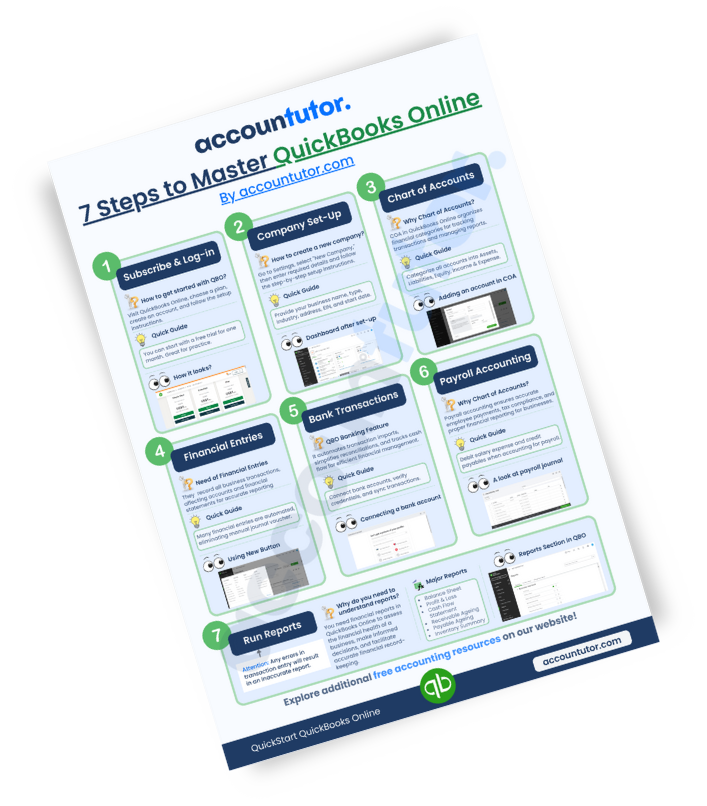
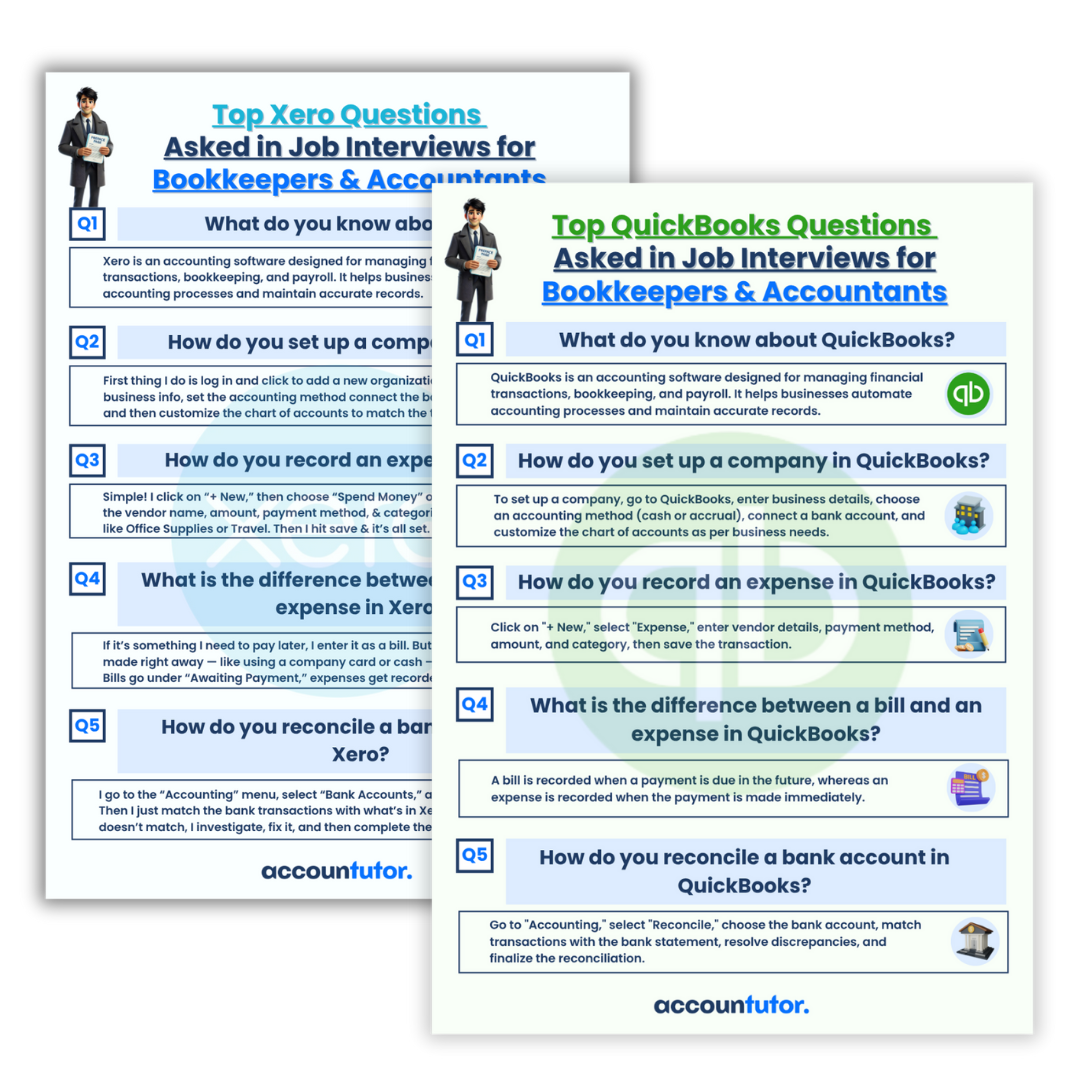
Many resources, like interview question PDFs for QuickBooks and Xero accounting, are available to help you prepare for real-world scenarios. These cover practical tasks, ensuring you understand employer expectations and can confidently discuss your skills.
Frequently Asked Questions About ChatGPT for Bookkeeping
Q1: Can ChatGPT replace my role as a bookkeeper or accountant?
No, ChatGPT is a tool designed to assist and enhance your work, not replace it. It automates repetitive tasks and provides quick information, freeing you to focus on strategic analysis, client relationships, and complex decision-making that require human judgment.
Q2: How accurate are ChatGPT’s responses for financial tasks?
ChatGPT can provide highly accurate responses for structured tasks like generating journal entries or summarizing reports based on the data you provide. However, you should always review and verify its output, especially for critical financial information, as AI can sometimes make errors or misinterpret context.
Q3: Is my client’s data safe if I use it with ChatGPT?
When using any AI tool, always prioritize data privacy and confidentiality. Avoid inputting sensitive client-specific data directly into public AI models. Instead, use general prompts or anonymized data to protect your clients’ information. Always check the AI provider’s data usage policies.
Q4: What types of prompts work best for accounting tasks?
Effective prompts are clear, specific, and provide sufficient context. For example, instead of “Do a journal entry,” try “Create a journal entry for the payment of office supplies worth $500 cash on January 15, 2024.” The more detail you provide, the better the AI’s response will be.
Keywords: ChatGPT for bookkeeping, AI in accounting, accounts payable best practices, journal entry automation, financial report summarization, accounting software integration, QuickBooks ChatGPT, Xero ChatGPT, accounting efficiency, AI tools for finance