In the fast-paced world of finance, bookkeepers and accountants often find themselves juggling numerous tasks. From meticulous journal entries to crafting client reports and managing endless emails, the workday can feel overwhelming. What if you had a diligent assistant, ready to help you tackle these tasks with greater speed and accuracy? Enter ChatGPT, your new AI ally in the accounting realm.
This powerful tool isn’t here to replace human expertise but to enhance it, offering intelligent support around the clock. Think of it as a smart teammate, always on standby to provide quick, insightful answers and automate routine processes. It’s an invaluable addition to your professional toolkit. 
Understanding ChatGPT and Its Value for Bookkeepers
ChatGPT is an advanced AI language model capable of comprehending your queries and generating highly relevant responses. For bookkeepers and accountants, this translates into practical applications like creating journal entries, drafting professional correspondence, summarizing complex financial documents, and addressing frequent client questions. By leveraging ChatGPT, you can significantly reduce manual effort, saving valuable time and boosting your overall efficiency. 
Integrating AI into your workflow positions you at the forefront of modern accounting practices. This beginner’s guide to ChatGPT for audit preparation and daily tasks will show you exactly how to harness its power. Watch the video below to grasp the basics of how this innovative tool can revolutionize your day-to-day operations:
Transforming Core Bookkeeping Tasks with ChatGPT
1. Simplified and Swift Journal Entries
Deciphering debits and credits for journal entries can often be a mental workout. ChatGPT streamlines this process dramatically. Simply input a request like, “Generate a journal entry for $1,200 rent paid from the bank on May 1st,” and it instantly provides the correct entry. This capability covers various transactions, from sales and payroll to general expenses, ensuring accuracy and saving you precious time.
Accurate and consistently recorded journal entries are the bedrock of reliable financial statements, making this function directly beneficial for seamless audit preparation. With ChatGPT, you build a robust financial record from the start.
2. Clarifying Financial Reports for Clients
Many clients find financial reports daunting, often only needing the key takeaways rather than granular details. Instead of lengthy explanations, you can paste the report into ChatGPT and prompt it to summarize the essential points. It quickly generates a clear, concise summary that you can easily share. This not only eases your workload but also helps clients confidently understand their financial standing.
Moreover, having clear, summarized explanations on hand can prove invaluable during an audit, as auditors frequently request clarification on financial performance and positions.
3. Effortless Professional Email Composition
Writing professional emails, especially reminders or follow-ups, consumes valuable time. ChatGPT can compose these communications in seconds. Just provide a simple instruction, like, “Write a reminder email for missing receipts,” and watch it generate a well-structured message. This applies to thank-you notes, deadline reminders, or any other professional correspondence, ensuring you always have the right words at your fingertips.
Efficient and professional communication regarding outstanding documentation directly supports thorough record-keeping, a critical component of successful audit preparation.
4. Providing Quick Answers to Client Questions
Clients frequently ask similar questions, such as “Why is my profit different from my bank balance?” or “Do I need to keep every receipt?” Instead of drafting new responses each time, you can utilize ChatGPT to formulate concise, clear answers. You can even save these as templates for future use, allowing you to respond promptly and professionally, enhancing client satisfaction and saving you time.
Standardized, accurate answers also ensure consistency in information provided to stakeholders, including auditors, which is an integral part of maintaining transparency.
5. Synergizing with QuickBooks and Xero Accounting
If your practice relies on QuickBooks Online or Xero, ChatGPT acts as an excellent complementary tool. It can help you interpret complex reports, explain specific transactions, or even create summaries of activities within your software. You don’t need to be a tech wizard; simply ask your question, and ChatGPT will guide you. This synergy enhances your understanding and utilization of these platforms.
This integration is particularly powerful for audit preparation, as it helps you quickly access and explain data points, strengthening your ability to provide clear documentation and insights to auditors. 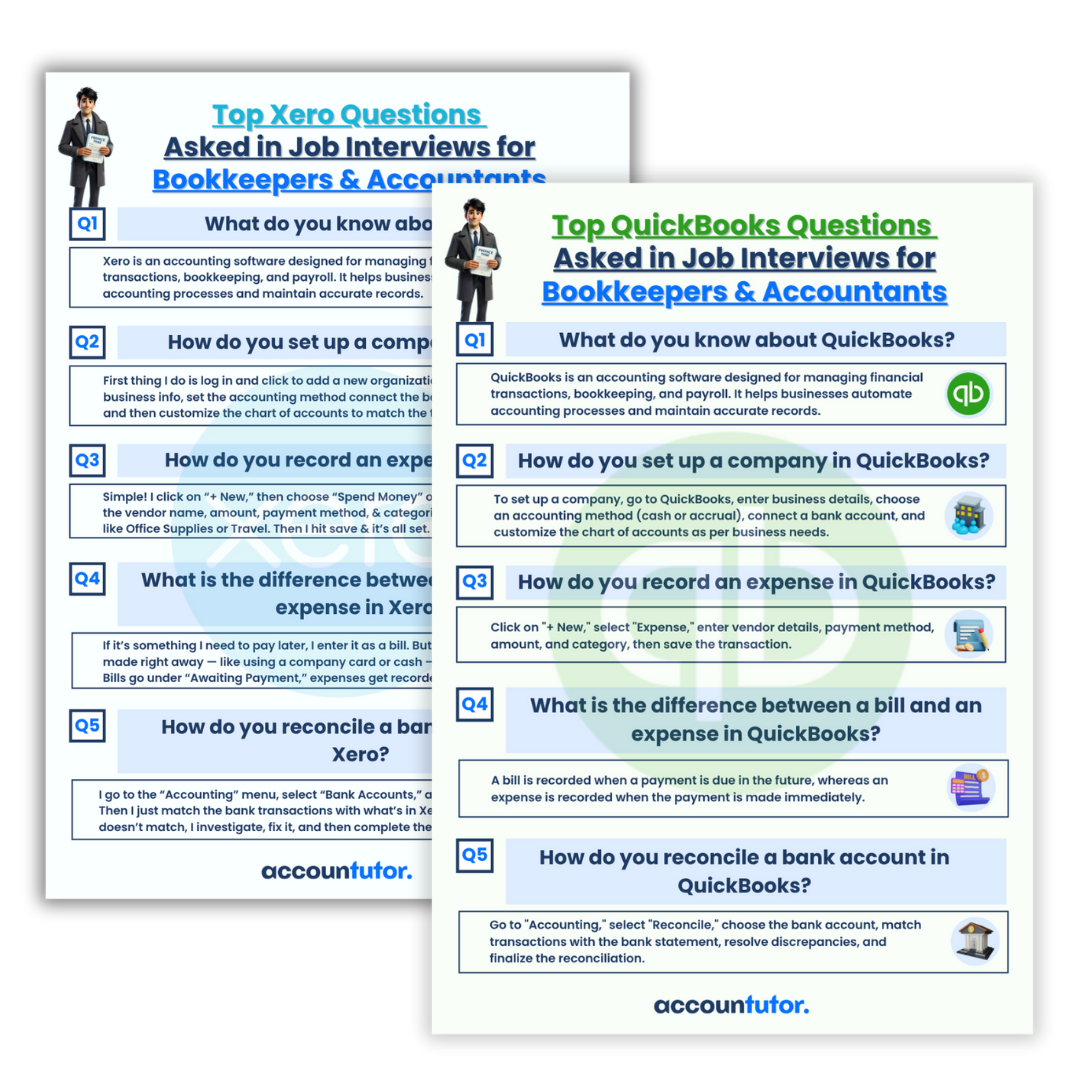
Mastering ChatGPT for Enhanced Practice and Audit Readiness
To truly leverage ChatGPT’s potential, learn to craft effective prompts that yield precise results. Tailored lessons can teach you to use ChatGPT for journal entries, emails, report generation, and more, complete with ready-to-use prompts and real-world examples. By integrating ChatGPT with tools like QuickBooks and Xero, you can reclaim hours each week, significantly boosting your productivity and the quality of your work.
Today’s top bookkeepers embrace smart tools like ChatGPT to work faster, serve clients better, and open doors to new opportunities. Adopting AI is a strategic move that saves time, reduces stress, and elevates the value you deliver. It’s a key step in strengthening your overall financial management, which directly benefits your audit readiness. 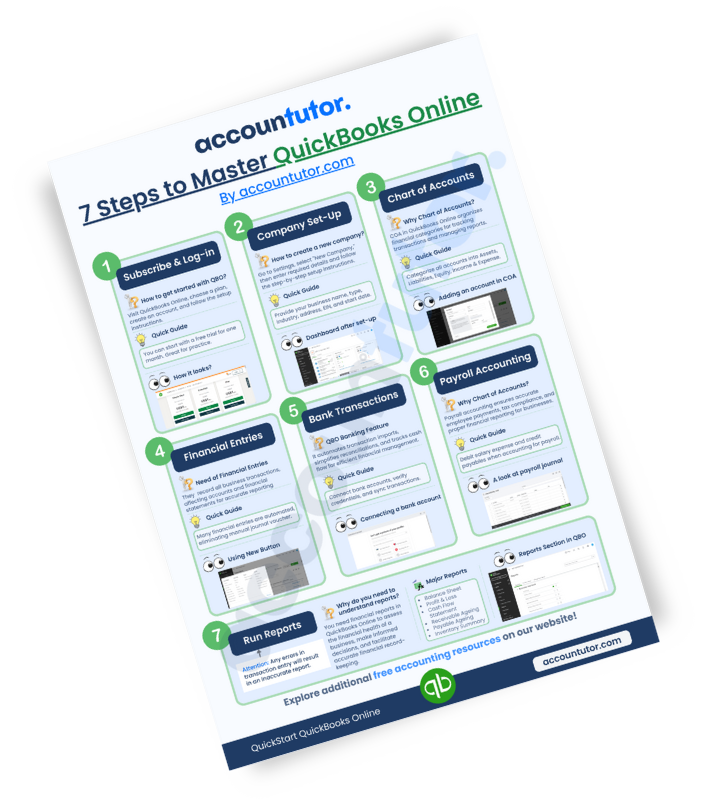
Frequently Asked Questions (FAQ)
Q1: What exactly is ChatGPT?
ChatGPT is an artificial intelligence language model developed by OpenAI. It understands human language and generates text-based responses, performing tasks like writing, summarizing, and answering questions.
Q2: How can ChatGPT specifically help bookkeepers?
ChatGPT assists bookkeepers by automating routine tasks such as drafting journal entries, summarizing financial reports, composing professional emails, and providing quick answers to common client questions, enhancing efficiency and accuracy.
Q3: Can ChatGPT replace a human bookkeeper?
No, ChatGPT is a tool designed to assist and augment a bookkeeper’s capabilities, not replace them. It handles repetitive tasks, freeing up bookkeepers to focus on strategic analysis, client relationships, and complex decision-making.
Q4: Is ChatGPT secure for handling financial data?
When using ChatGPT, it’s crucial to exercise caution with sensitive client financial data. Avoid inputting confidential information directly. Instead, use it for generating templates, summarizing anonymized data, or processing general queries to maintain data security and privacy.
Q5: How does ChatGPT assist with audit preparation?
ChatGPT supports audit preparation by ensuring accurate journal entries, providing clear explanations of financial reports, facilitating efficient communication for missing documents, and standardizing client responses. These efficiencies lead to better-organized records and clearer documentation, streamlining the audit process.
Keywords: ChatGPT, Bookkeeping, Audit Preparation, AI for Accountants, Financial Reports, Journal Entries, Xero, QuickBooks, Accounting Automation, Efficiency