In the demanding world of bookkeeping and accounting, professionals often find themselves swamped with tasks. From meticulously logging journal entries to deciphering complex financial reports for clients, the daily grind can feel relentless. Imagine having a powerful ally that streamlines these processes, freeing up your valuable time.
Enter generative AI, exemplified by tools like ChatGPT. This isn’t about replacing human expertise; it’s about augmenting it. Consider AI your tireless personal assistant, always ready to provide instant support and precision.
Understanding Generative AI in Finance
What exactly is generative AI, and why should finance professionals pay attention? Generative AI refers to algorithms capable of producing new content, whether it’s text, images, or even code, based on the data they’ve been trained on. For bookkeepers and accountants, this translates into an intelligent system that comprehends your input and generates accurate, contextually relevant outputs.
These AI tools are transforming how we approach core financial tasks. They can assist with everything from drafting precise journal entries to summarizing intricate financial statements and crafting professional client communications. It’s like adding a highly knowledgeable, always-available team member to your operations.
Automating Journal Entries for Enhanced Accuracy
The days of deliberating over debits and credits for every transaction are evolving. Generative AI simplifies the creation of journal entries significantly. You can simply input a natural language request, like, “Generate a journal entry for a $1,200 rent payment made from the bank on May 1st.”
Within moments, the AI provides the correct entry, detailing which accounts to debit and credit. This capability dramatically speeds up the entry process for rent, sales, payroll, or any other transaction, boosting both efficiency and confidence.

Decoding Financial Statements: A Step-by-step guide to generative AI for financial statements
Many clients find financial reports intimidating, often preferring clear, concise summaries over detailed breakdowns. This is where generative AI shines, offering a powerful way to interpret and present complex financial data.
Here’s a simplified approach to leveraging AI for financial statements:
- Input Your Data: Start by pasting the raw financial report or relevant data into your generative AI tool. This could be a balance sheet, income statement, or cash flow statement.
- Request a Summary: Ask the AI to “Summarize the key insights from this financial report” or “Explain the main drivers of profit/loss for this period.”
- Refine and Clarify: If the initial output needs more focus, you can follow up with specific questions, such as “What does this mean for cash flow?” or “Highlight any significant trends.”
The AI will then generate an easy-to-understand summary, making it simple to convey crucial financial information to your clients without extensive manual explanation. This process enhances client comprehension and strengthens their trust in your services.
Streamlining Client Communications with AI
Crafting professional emails and quick client responses can consume a significant portion of your day. Generative AI transforms this by enabling you to generate well-worded messages in moments. Simply prompt the AI with your need, for instance, “Write a reminder email for outstanding receipts from a client.”
Within seconds, you’ll receive a polished draft for various communications, from thank-you notes to deadline reminders. Furthermore, AI can help you standardize answers to frequently asked client questions, such as “Why is my profit different from my bank balance?” or “Do I really need to keep every receipt?”
You can quickly generate clear, concise responses and even save them as templates for future use. This not only saves time but also ensures consistent, professional communication across all client interactions.
Enhancing Accounting Software Integration
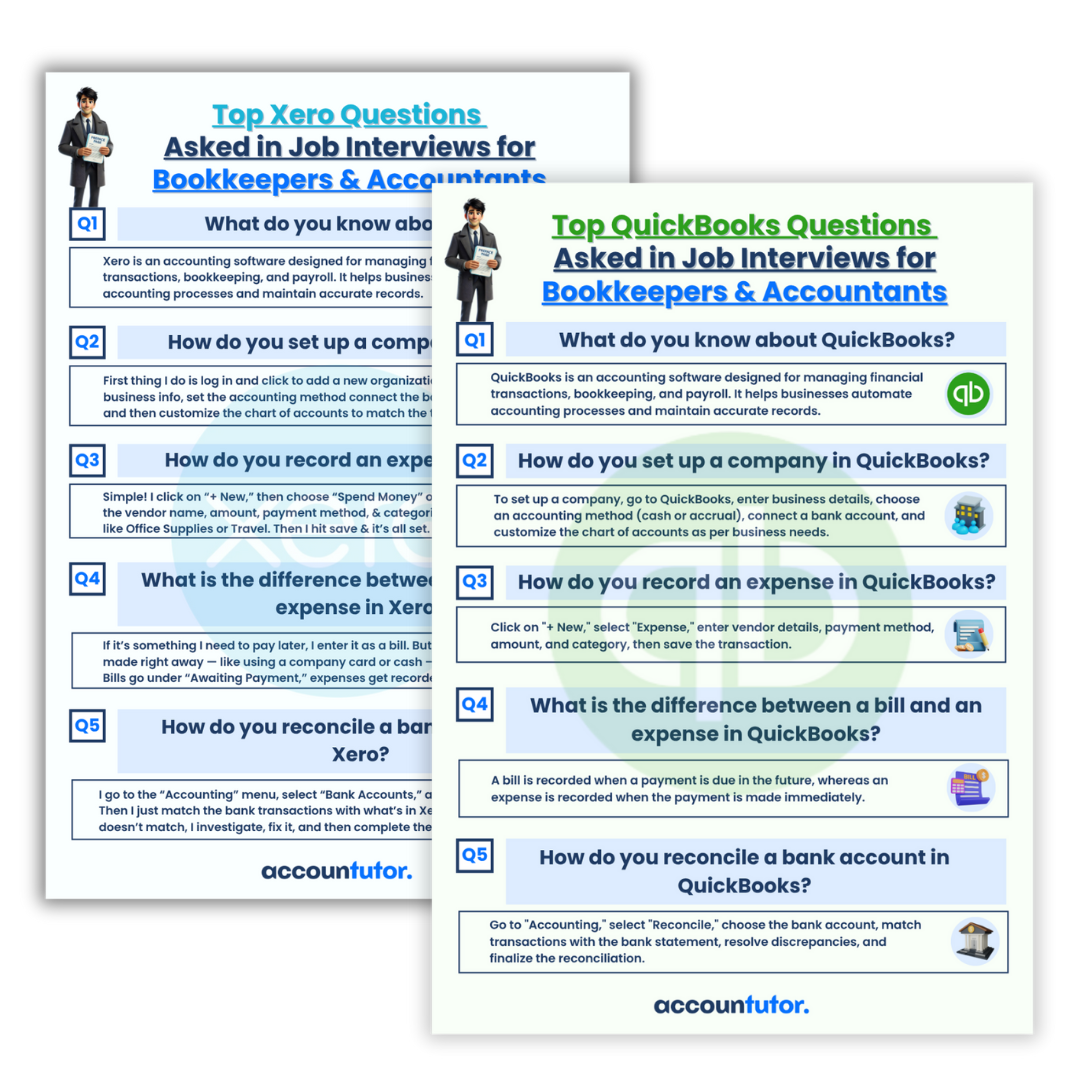
Generative AI tools seamlessly integrate with popular accounting software like QuickBooks Online and Xero. You don’t need to be a tech guru to leverage these capabilities; simply ask your questions directly to the AI.
It can assist you in deciphering complex reports generated by your software, explaining specific transactions, or even providing high-level summaries of your financial activities within the platform. This integration empowers you to get more out of your existing accounting tools with minimal effort.
Become a Future-Ready Financial Professional
Today’s financial landscape rewards efficiency and innovation. Professionals who embrace smart tools like generative AI gain a significant competitive edge. They complete tasks more quickly, provide superior client service, and carve out more time for strategic growth and new opportunities.
Adopting these technologies is a proactive step towards advancing your career. You will not only reduce stress and save countless hours but also elevate the quality and breadth of services you offer to clients.

Frequently Asked Questions About AI in Finance
Q1: Can generative AI replace human accountants or bookkeepers?
A1: No, generative AI is designed to be a powerful assistant, not a replacement. It automates repetitive tasks, summarizes data, and helps draft communications, allowing human professionals to focus on strategic analysis, complex problem-solving, and client relationships.
Q2: How secure is using AI with sensitive financial data?
A2: When working with sensitive data, it’s crucial to use enterprise-level AI solutions with robust security and privacy features. Always avoid inputting confidential information into public AI models without proper data handling protocols and ensure compliance with relevant regulations.
Q3: What accounting software is compatible with generative AI tools?
A3: Many generative AI tools can work alongside popular accounting software like QuickBooks Online and Xero. While direct integrations are evolving, you can often use AI to process data exported from these platforms or to generate insights based on their reports.
Q4: Do I need extensive technical knowledge to use generative AI for finance?
A4: Not at all! Generative AI tools are designed with user-friendly interfaces, often relying on natural language prompts. If you can type a question, you can likely use these tools to assist with your financial tasks. Training courses can further enhance your proficiency.

Keywords: Generative AI, Financial Statements, ChatGPT, Bookkeeping, Accounting Automation, AI in Finance, Financial Reporting, Journal Entries, QuickBooks AI, Xero AI