Revolutionizing Finance: How AI Transforms Audit Preparation and Beyond
The rapid advancement of artificial intelligence (AI) often sparks both excitement and apprehension. Many people worry that AI systems, like advanced language models such as ChatGPT, might eventually replace human expertise. However, by embracing AI thoughtfully, we can unlock immense potential, transforming it into a powerful ally rather than a threat to our professional lives.
Instead of viewing AI as a competitor, consider it a sophisticated tool designed to enhance human capabilities. These smart technologies don’t aim to replace specialists; instead, they act as intelligent assistants. They streamline workflows, help tackle complex challenges, and free up professionals to focus on higher-value, strategic tasks.

This article explores the exciting possibilities of leveraging AI, particularly large language models, in the accounting sector. We’ll dive into how AI can significantly improve efficiency, accuracy, and overall financial management, opening doors to a new era of productivity and insight.
Understanding AI: What is ChatGPT?
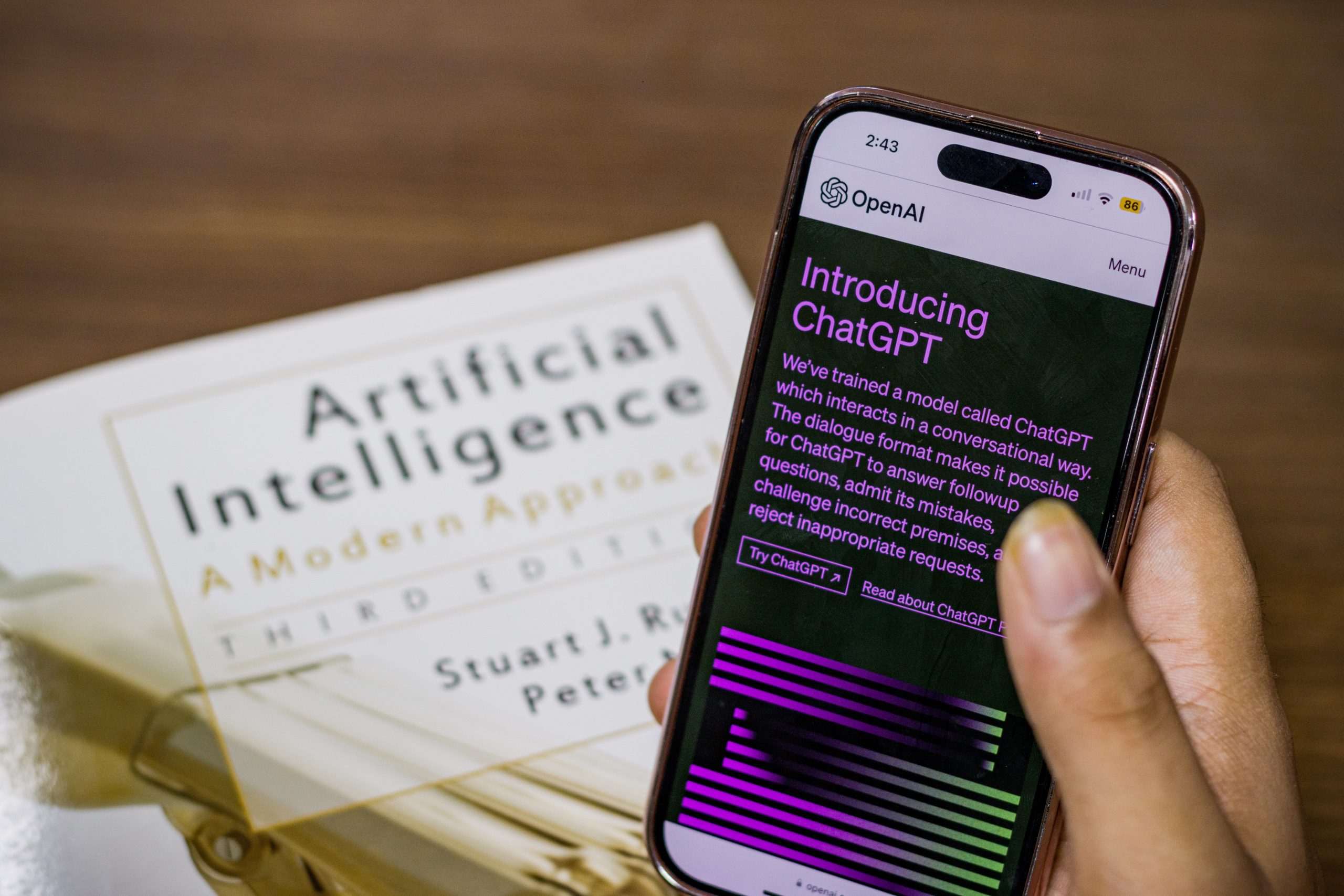
ChatGPT represents an advanced AI program engineered for dynamic conversational interactions. Think of it as a highly sophisticated chatbot capable of understanding and generating text that closely mimics human language. Developed by OpenAI, this AI model has undergone training on a vast dataset of internet text, giving it extensive knowledge across countless subjects.
When you interact with ChatGPT by posing questions or providing information, it uses specialized techniques to grasp your meaning and requirements. Leveraging its powerful computational abilities, it then crafts clear, relevant responses that make sense within the context of your conversation. Its capacity to produce human-like language makes interactions remarkably authentic.
How AI Software Enhances Accounting Practices

AI software like ChatGPT holds incredible potential to revolutionize the accounting field. Its advanced language processing capabilities can automate and streamline a wide array of accounting tasks, ultimately saving time and significantly boosting efficiency. Accountants can enhance their productivity, gain deeper financial insights, and make more informed business decisions.
Streamlining Bookkeeping and Data Entry
AI can drastically simplify routine bookkeeping tasks. It automatically categorizes transactions, records journal entries, and automates much of the data entry process. By extracting relevant information from invoices, receipts, and other financial documents, AI software saves considerable time and minimizes the risk of manual errors.
How to Use AI Software for Audit Preparation and Compliance
Auditors can leverage AI software to identify potential errors or irregularities within financial statements. This powerful tool automates compliance checks, flags suspicious transactions, and actively contributes to fraud detection efforts. Integrating AI into audit processes significantly improves their efficiency and overall effectiveness, ensuring greater accuracy and adherence to regulations.

Boosting Financial Analysis and Decision-Making
AI provides real-time financial information, directly supporting data-driven decision-making. It excels at performing scenario analysis and financial forecasting, which are crucial for effective budgeting, robust cash flow management, and strategic planning. These capabilities empower accountants to make forward-looking choices.
Improving Customer Support for Financial Queries
You can deploy AI in customer support roles to address basic financial inquiries and provide immediate assistance. It helps users navigate complex systems, understand policy details, and quickly retrieve relevant information. This frees up human agents for more complex issues.
Automating Repetitive Processes for Efficiency
By automating repetitive tasks, AI liberates accountants from mundane work, allowing them to focus on more complex, value-added activities. This dramatically reduces manual effort, enhances overall operational efficiency, and substantially minimizes errors across financial operations.
Key Advantages of Integrating AI in Accounting

Incorporating AI into accounting workflows offers numerous benefits that can significantly improve financial management. These advantages streamline processes and enhance the strategic value of accounting functions.
Increased Efficiency and Time Savings
AI automates many repetitive accounting tasks, such as data entry and transaction categorization. This allows accounting professionals to dedicate their time to more strategic activities, boosting overall efficiency and saving valuable time.
Greater Accuracy and Reduced Errors
Leveraging its computational power, AI minimizes human errors in calculations, data entry, and detailed financial analysis. Its ability to process vast amounts of data with precision significantly enhances accuracy and reduces the risk of costly mistakes.
Deeper Data Insights
AI can swiftly analyze large volumes of financial data, uncovering patterns, trends, and anomalies that might go unnoticed by human eyes. This capability enables accountants to gain valuable insights and make truly data-driven decisions for superior financial management.
Faster Access to Information
AI provides prompt responses to financial queries, offering real-time information whenever you need it. Accountants can quickly access critical data, comprehensive financial reports, and actionable insights on demand, leading to quicker resolutions and informed actions.
Smarter Decision-Making
With its capacity to generate meaningful insights and accurate forecasts, AI strongly supports informed business decisions. It helps accountants predict various scenarios, thoroughly analyze financial risks, and devise highly effective strategies for future growth.
Robust Audit and Compliance Support
AI actively assists in auditing processes by detecting potential errors or irregularities within financial statements. It automates compliance checks, ensuring adherence to regulations and improving the efficiency and effectiveness of audits.
Continuous Improvement and Adaptability
You can train and customize AI systems with relevant data to adapt to an organization’s unique requirements. They learn from past interactions, continuously refining their responses and aligning more closely with specific accounting practices over time.
Navigating the Hurdles: Challenges of AI in Accounting

While AI offers numerous advantages for accounting, integrating it also presents several challenges that require careful consideration. Addressing these issues ensures responsible and effective AI deployment.
Ensuring Reliability and Accuracy
AI’s responses depend on its training data; it may occasionally produce inaccurate or unreliable results, especially with complex or vague queries. Human oversight and careful verification remain essential to ensure the accuracy of generated information, preventing costly errors like misattributed legal citations.
Understanding Contextual Nuances
AI may struggle to grasp the full context or subtle intent behind a question, potentially leading to incomplete or incorrect responses. It might interpret queries too literally, missing nuances that could impact the reliability of the results.
Prioritizing Data Privacy and Security
Utilizing AI for accounting necessitates sharing sensitive financial data with the system. Implementing robust privacy protocols and stringent security measures becomes critical to protect this information from unauthorized access or potential data breaches.
Ongoing Training and Maintenance
AI systems require continuous training and regular updates to remain relevant and aligned with evolving accounting practices, regulations, and industry standards. Maintaining an up-to-date dataset and implementing these updates can be resource-intensive.
Addressing Ethical Considerations and Bias
Since AI generates responses based on its training data, there’s an inherent risk of perpetuating biases present in that data. Proactively addressing and mitigating these biases is crucial to ensure fair and impartial outcomes across all accounting processes.
Handling Complex Scenarios
AI may struggle with highly complex or specialized accounting scenarios that demand deep domain expertise and nuanced judgment. Its responses might lack the intricate experience necessary for sophisticated financial analysis or precise interpretation of certain regulations.
Infrastructure Dependency
Many AI solutions operate as online services, necessitating a stable internet connection and reliable infrastructure. Any disruptions in connectivity or technical issues can hinder their availability and negatively impact workflow efficiency.
To overcome these challenges, striking a balance between AI’s capabilities and human expertise is vital. Combining the strengths of AI with the critical thinking and professional judgment of human specialists helps maximize benefits while mitigating risks.
The Future of Accounting with AI

AI is poised to profoundly impact the accounting industry, ushering in transformative changes that redefine traditional practices. This technological shift will reshape how accountants operate and add value.
Automation of Repetitive Tasks
AI automates both routine and repetitive accounting tasks, including data entry, categorization, and report generation. This significantly reduces manual effort, boosts overall productivity, and empowers accountants to concentrate on more strategic and insightful activities.
Enhanced Accuracy and Reduced Errors
AI’s capabilities minimize human errors in data entry, complex calculations, and financial analysis. By processing vast data volumes with precision, it improves the accuracy of financial reporting, leading to more reliable and correct financial information.
Advanced Data Analysis and Insights
AI’s ability to analyze extensive financial data provides accountants with deeper insights, actively supporting data-driven decisions. It helps identify critical patterns, emerging trends, and anomalies, empowering professionals to stay informed and optimize financial performance.
Robust Compliance and Audit Support
AI ensures compliance with accounting regulations and industry standards. Automating compliance checks and supporting audit processes enhances the effectiveness and efficiency of regulatory adherence and auditing, thereby reducing the risk of errors and potential legal issues.
Specialized AI Solutions for Accounting

While general AI assistants like ChatGPT offer broad support, specialized AI tools designed for specific business needs can provide even greater advantages. These tailored solutions integrate directly into existing systems, eliminating manual data entry and scattered information.
For instance, an AI-powered sales order assistant can read customer purchase requests from emails and automatically translate that unstructured data into structured sales orders. This feature saves immense time, minimizes data entry errors, and seamlessly generates quotes, allowing sales teams to focus on closing deals rather than administrative work.
Additionally, specialized AI can offer real-time business overviews through intuitive widgets. These widgets provide snapshots of sales operations and key business metrics, giving you the pulse of your business at a glance without navigating multiple dashboards. You can also unlock powerful insights by asking for visualizations, like revenue trends, to receive instant, graphical representations tailored to your queries.
Such specialized AI ensures your data is not only accessible but also actionable, designed specifically for your industry’s needs. This integrated approach helps streamline, automate, and grow operations all within one cohesive system.
Frequently Asked Questions (FAQ)
Q1: Can AI software completely replace human accountants?
No, AI software like ChatGPT is a powerful tool to augment, not replace, human accountants. It automates repetitive tasks and provides insights, but human judgment, ethical considerations, and complex problem-solving remain indispensable.
Q2: How does AI software help with audit preparation?
AI software assists audit preparation by automating compliance checks, identifying potential errors or irregularities in financial statements, and flagging suspicious transactions for fraud detection. This makes the audit process more efficient and accurate.
Q3: What are the main benefits of using AI in accounting?
The main benefits include increased efficiency, improved accuracy, deeper data analysis for better insights, faster access to information, smarter decision-making, and enhanced support for audit and compliance processes.
Q4: What are the biggest challenges when implementing AI in accounting?
Key challenges include ensuring the reliability and accuracy of AI-generated responses, addressing data privacy and security concerns, managing continuous training and maintenance, mitigating potential biases, and handling highly complex, nuanced financial scenarios.
Keywords: AI in accounting, audit preparation, AI software, financial management, bookkeeping automation, data analysis, accounting efficiency, ChatGPT for finance, compliance support, future of accounting