Supercharge Your Bookkeeping: Leveraging ChatGPT for Financial Efficiency
Are you a bookkeeper or accountant juggling a multitude of tasks daily? From meticulous journal entries and comprehensive report explanations to drafting client emails and addressing common queries, your schedule often feels overwhelmed. Imagine a smart assistant working tirelessly around the clock, providing instant support and streamlining your workflow. That’s precisely the role ChatGPT can play in transforming your financial operations.

This innovative AI tool isn’t here to replace human expertise; instead, it empowers you to accomplish tasks with greater speed and accuracy. Consider it your dedicated partner, ready to offer quick, intelligent responses whenever you need them.
What is ChatGPT and How Does it Benefit Bookkeepers?
ChatGPT is an advanced artificial intelligence model capable of understanding and generating human-like text. For bookkeepers and accountants, this translates into a powerful assistant for various professional duties. It helps you move beyond manual processes, saving valuable time and simplifying complex tasks.
Think of ChatGPT as an intelligent team member with a deep understanding of accounting principles, always on standby to assist you. It can handle everything from summarizing financial data to crafting professional communications.
Practical Applications of ChatGPT for Bookkeeping
1. Streamline Journal Entries
Creating journal entries traditionally requires careful consideration of debits and credits for each transaction. ChatGPT simplifies this process significantly; you simply provide the transaction details, and it instantly generates the correct entry. For example, type, ‘Create a journal entry for $1,200 rent paid from the bank on May 1st,’ and watch it appear within seconds.
Whether you’re dealing with rent, sales, payroll, or other financial movements, ChatGPT helps you complete entries faster and with increased confidence, reducing the chance of errors.
2. Simplify Client Report Explanations
Many clients find financial reports overwhelming and seek clear, concise summaries rather than intricate details. Instead of spending hours deciphering complex data for them, you can paste the report into ChatGPT. Then, ask it to highlight the key takeaways.
It provides an easy-to-understand summary, making financial information accessible to your clients. This not only eases your workload but also boosts your clients’ confidence in your services.
3. Automate Professional Email Drafting
Writing professional emails, especially follow-ups or reminders, often consumes valuable time. ChatGPT can quickly generate these communications for you. Simply prompt it with a request like, ‘Write a reminder email for missing receipts,’ and it will craft a polished message instantly.
From thank-you notes to deadline reminders, you’ll always have perfectly worded emails ready, enhancing your communication efficiency.
4. How to Use ChatGPT for Accounts Receivable
Managing accounts receivable (AR) involves consistent communication and follow-up. ChatGPT becomes an invaluable tool here, assisting with drafting polite reminders for overdue invoices or creating clear responses to client payment queries. You can ask it to ‘Write a follow-up email for an invoice due 7 days ago to [Client Name]’ or ‘Draft a message explaining late payment fees.’
This capability helps maintain positive client relationships while ensuring timely collections. By leveraging ChatGPT for AR, you streamline your cash flow management and reduce manual effort.
5. Rapidly Answer Client Questions
Clients frequently ask similar questions, such as ‘Why is my profit different from my bank balance?’ or ‘Do I need to keep every receipt?’ Instead of repeatedly formulating new answers, use ChatGPT to generate clear and concise responses. You can even save these as templates for future use.
This strategy significantly reduces the time you spend on routine inquiries, allowing you to respond promptly and professionally every time.
6. Seamless Integration with Accounting Software
If you use popular accounting platforms like QuickBooks Online or Xero, ChatGPT offers excellent support. It can help you interpret complex reports, explain specific transactions, or summarize overall financial activities within your software. You don’t need to be a tech guru; just ask your question, and ChatGPT will provide clear guidance.
This integration capability enhances your understanding and utilization of your primary accounting tools.
Elevate Your Financial Career with ChatGPT
Today’s successful bookkeepers differentiate themselves by adopting smart tools like ChatGPT. They complete tasks faster, serve clients more effectively, and free up time for new opportunities. Embracing AI is a strategic move for professional growth.

By integrating ChatGPT into your workflow, you save time, reduce stress, and deliver superior service. It’s a proactive step towards becoming an indispensable financial professional.
Boost Your Interview Confidence
Preparing for job interviews in bookkeeping and accounting? Our practical PDF guides offer insights into common questions for QuickBooks and Xero users. These resources cover real-world tasks like expense recording, account reconciliation, and company file setup.
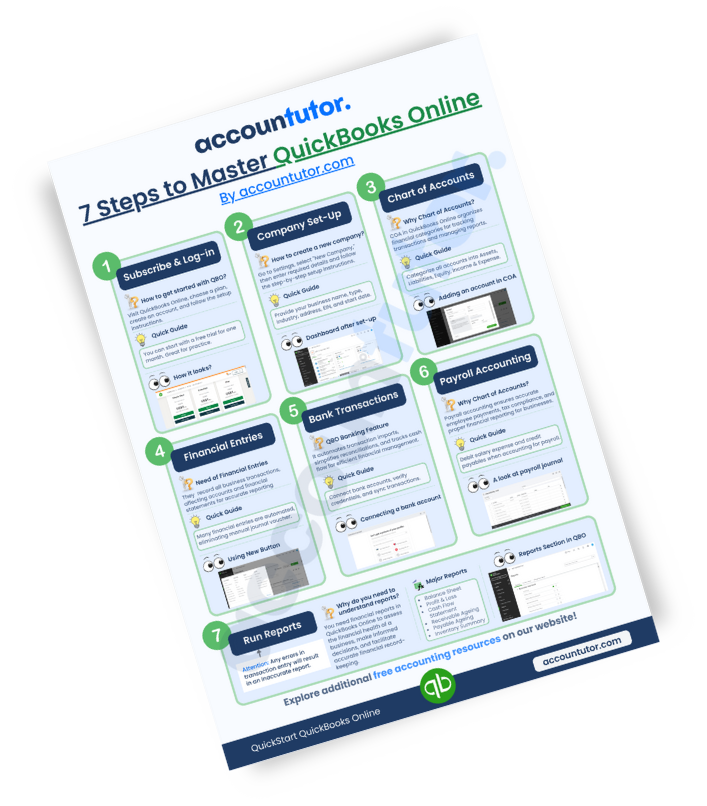
Whether you’re a newcomer or an experienced professional, these questions help you anticipate employer expectations and articulate your skills confidently. Download our QuickBooks Interview Questions and Xero Interview Questions to get started.
Frequently Asked Questions About ChatGPT for Bookkeeping
- Q: Can ChatGPT replace my job as a bookkeeper?
- A: No, ChatGPT is a tool designed to assist bookkeepers, not replace them. It automates repetitive tasks, allowing you to focus on higher-level analysis, client relationships, and strategic financial planning. It enhances your efficiency and capabilities.
- Q: Is ChatGPT accurate for financial data?
- A: ChatGPT can generate accurate information based on the prompts you provide, but it’s crucial to always verify its output with your knowledge and source documents. It’s a powerful assistant, not a definitive authority without human oversight.
- Q: How can I ensure data privacy when using ChatGPT for client information?
- A: Exercise caution when inputting sensitive client data directly into public AI models. For highly confidential information, consider anonymizing data or using enterprise-level AI solutions with robust privacy agreements. Always adhere to professional ethics and data protection regulations.
- Q: What kind of prompts work best for bookkeeping tasks?
- A: Be specific and clear with your prompts. For example, instead of ‘Help with journal entries,’ try ‘Create a journal entry for the purchase of office supplies for $500 cash.’ Include dates, amounts, and specific accounts for the best results.
Keywords: ChatGPT bookkeeping, accounts receivable AI, financial automation, AI for accountants, journal entry automation, client communication AI, QuickBooks ChatGPT, Xero ChatGPT, bookkeeping tools, AI in finance