As a bookkeeper or accountant, you know the daily grind can be relentless. You manage journal entries, clarify reports, send emails, and follow up with clients. It often feels like there isn’t enough time in the day to tackle everything efficiently. But what if a powerful tool could help you streamline these tasks and boost your productivity?
Enter Large Language Models (LLMs) like ChatGPT. These AI assistants aren’t here to replace human expertise; instead, they empower you to work smarter and faster. Think of an LLM as your dedicated, always-on assistant, ready to provide quick, accurate responses whenever you need them.
Understanding Large Language Models: A Game Changer for Bookkeepers and Accounts Payable
ChatGPT is an advanced artificial intelligence tool that comprehends natural language and generates coherent, helpful responses. For accounting professionals, particularly those focused on accounts payable, this means real-world application. LLMs can assist with everything from creating journal entries to summarizing financial reports and drafting client communications.
Instead of manual processing, you can leverage these intelligent tools to save significant time and work more efficiently. Imagine having a knowledgeable teammate who understands accounting principles and is always available to help.
A Step-by-Step Guide to Large Language Models for Accounts Payable and Beyond
1. Effortless Journal Entry Creation
Traditionally, creating journal entries required careful thought, balancing debits and credits for each transaction. With an LLM, you simply describe the transaction. For instance, type, “Create a journal entry for $1,200 rent paid on May 1st from the bank,” and it instantly provides the correct entry.
This capability accelerates the process for various transactions, whether it’s for rent, sales, or payroll, eliminating guesswork and ensuring accuracy.
2. Simplifying Financial Reports for Clients
Many clients find financial reports overwhelming, preferring a clear, concise overview rather than intricate details. Instead of spending valuable time explaining complex figures, you can input a report into an LLM.
Ask it to summarize the key insights, and it will generate an easy-to-understand summary. This not only streamlines your work but also enhances client comprehension and confidence in your services.
3. Streamlined Professional Email Drafting
Writing professional emails, especially reminders or follow-ups, can be time-consuming. LLMs can draft these communications in seconds. Simply prompt it with a request like, “Write a reminder email for missing receipts,” and it will generate a polished message.
Whether you need a thank-you note, a deadline reminder, or a follow-up, you’ll always have well-articulated emails at your fingertips.
4. Rapid Client Question Answering
Clients frequently ask similar questions, such as “Why is my profit different from my bank balance?” or “Do I really need to keep every receipt?” Instead of crafting new responses each time, you can use an LLM to generate quick, clear answers.
You can even save these responses as templates for future use, saving time and ensuring consistent, professional communication.
5. Seamless Integration with Accounting Software
If you use popular accounting platforms like QuickBooks Online or Xero, LLMs can be incredibly beneficial. They help you interpret reports, explain specific transactions, or even summarize overall financial activity within your software.
You don’t need to be a tech expert; just ask your question, and the LLM will provide guidance and insights.
Becoming a Pro with LLMs in Accounting
To truly master these tools, learn how to phrase your questions effectively to get the most accurate results from an LLM. Training programs often offer step-by-step lessons on using LLMs for tasks like journal entries, emails, and reports.
Look for resources that provide ready-to-use prompts, practical examples, and beginner-friendly tutorials. By integrating LLMs with software like QuickBooks and Xero, you can potentially save hours each week.
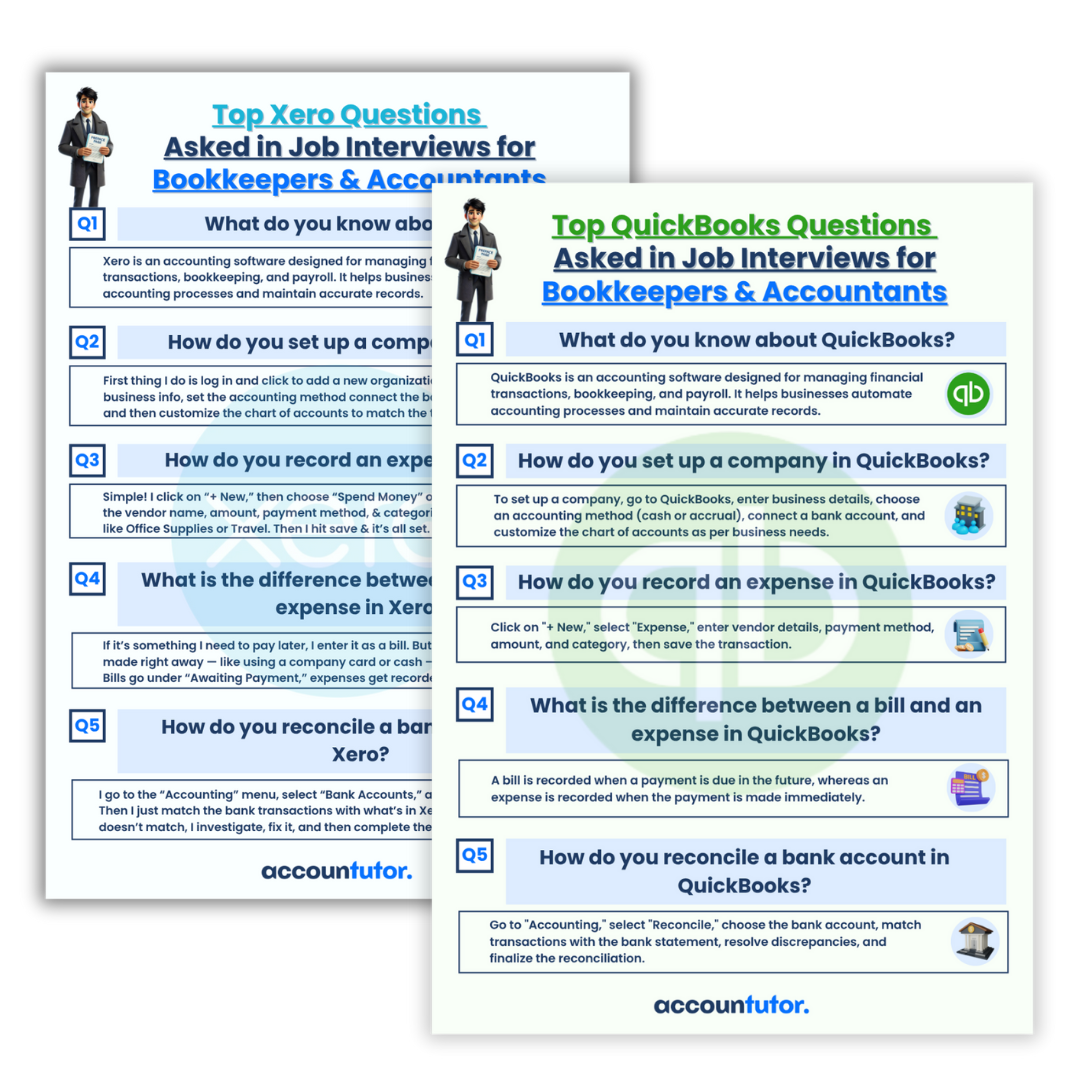
Why Embrace LLMs in Your Accounting Career?
Today’s accounting professionals who skillfully use smart tools like LLMs stand out in the field. They complete tasks more rapidly, enhance client service, and free up time for new opportunities and strategic thinking. Embracing LLMs is a forward-thinking move if you aim to advance your career.
You’ll reduce stress, optimize your workflow, and deliver superior service to your clients.
Frequently Asked Questions About LLMs in Accounting
Q1: What exactly are Large Language Models (LLMs) in the context of accounting?
A1: LLMs are AI programs designed to understand and generate human-like text. In accounting, they act as intelligent assistants, helping with tasks like drafting financial summaries, creating journal entries, writing emails, and answering client questions.
Q2: Can LLMs replace the need for professional accountants or bookkeepers?
A2: No, LLMs are tools to augment human capabilities, not replace them. They automate repetitive and time-consuming tasks, allowing accountants and bookkeepers to focus on more complex analysis, strategic planning, and client relationships.
Q3: How secure is it to use LLMs with sensitive financial data?
A3: When using LLMs, it’s crucial to prioritize data privacy and security. Always avoid inputting highly sensitive or confidential client information directly into public LLM platforms. Utilize secure, enterprise-grade LLM solutions or anonymize data before processing, following your company’s data handling policies.
Q4: Is specialized technical knowledge required to use LLMs in bookkeeping?
A4: Not necessarily. Most modern LLMs, like ChatGPT, feature user-friendly interfaces that accept natural language prompts. While learning effective prompting techniques can improve results, you don’t need to be a coding expert to start leveraging their benefits.
Keywords: LLM, ChatGPT, accounts payable, bookkeeping, accounting automation, financial technology, AI in finance, journal entries, financial reporting, client communication