Your ‘Step-by-Step Guide to Claude AI for Audit Preparation’
In our rapidly advancing technological landscape, many people still harbor concerns that artificial intelligence (AI) might eventually take over jobs, especially in fields that rely heavily on human expertise. The auditing sector is no exception. However, it’s crucial to understand that AI, when used thoughtfully, can become a powerful ally, not a threat.

By embracing tools like Claude AI, we unlock new opportunities to enhance efficiency and accuracy in financial processes. Rather than replacing human specialists, intelligent technologies act as powerful assistants. They help professionals streamline workflows, tackle complex challenges, and dedicate their focus to higher-value tasks.
With AI’s capabilities, we can achieve remarkable productivity gains and unleash the true potential of human ingenuity. This article will explore the possibilities of Claude AI for audit preparation, demonstrating how it can revolutionize our work and usher in a new era of financial oversight.
Experts often discuss how AI impacts businesses and how it can be implemented to improve operations. Understanding these broader implications helps us integrate AI effectively into specialized areas like auditing.

What Exactly is Claude AI?
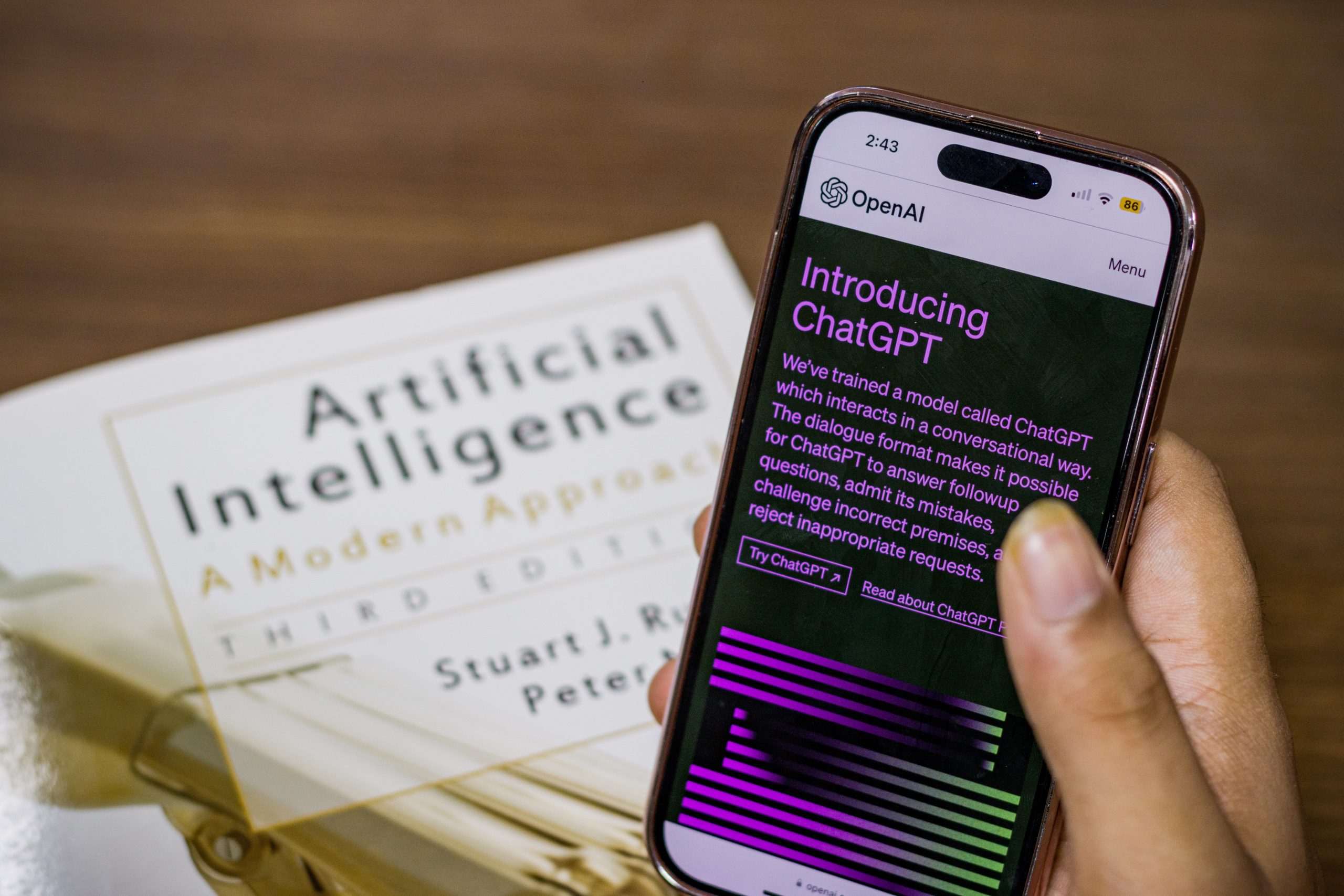
Claude AI, developed by Anthropic, is an advanced artificial intelligence program designed for sophisticated conversational interactions. Think of it as a highly intelligent digital assistant capable of understanding and generating human-like text across a vast array of topics.
This AI model has been trained on extensive datasets, equipping it with broad knowledge. When you interact with Claude AI by asking questions or providing information, it employs sophisticated techniques to grasp your intent and needs. Then, leveraging its powerful processing abilities, it generates clear, relevant, and coherent responses.
What makes Claude AI stand out is its ability to produce answers that closely mimic human language, making conversations feel remarkably authentic. It’s like having a virtual conversation partner who can engage in discussions, offer valuable insights, and even simulate various dialogues.
However, it’s essential to remember that Claude AI, despite its impressive capabilities, operates purely based on computational algorithms and its acquired knowledge. It lacks genuine consciousness or emotions. Nevertheless, its proficiency in understanding and generating text has opened up exciting possibilities across many domains, including financial auditing.
Leveraging Claude AI for Audit Preparation: A Step-by-Step Guide

Claude AI offers immense potential to transform how auditors prepare for and execute their work. With its advanced language processing and analytical capabilities, Claude AI can streamline and automate various preparatory tasks, saving time and improving overall efficiency.
Auditors can enhance their productivity, gain deeper financial insights, and make more informed decisions by integrating Claude AI. Here’s how you can use Claude AI as part of your audit preparation:
1. Data Review and Anomaly Detection
Start by feeding Claude AI relevant financial documents, such as general ledgers, transaction logs, and expense reports. You can prompt it to identify patterns, categorize transactions, and highlight unusual entries that might warrant further investigation. This helps in quickly pinpointing potential errors or irregularities.
2. Compliance Verification
Utilize Claude AI to cross-reference financial data against relevant accounting standards (e.g., GAAP, IFRS) and regulatory requirements. Ask it to flag any transactions or reporting methods that appear non-compliant. This automates preliminary compliance checks, significantly improving audit efficiency.
3. Risk Assessment and Fraud Indicators
Prompt Claude AI to analyze data for common fraud indicators, such as duplicate invoices, unusual vendor payments, or transactions outside normal business hours. The AI can help identify high-risk areas, allowing auditors to focus their detailed scrutiny where it’s most needed.
4. Document Analysis and Summary
Upload large volumes of contractual agreements, policy documents, or previous audit reports. Claude AI can quickly summarize key clauses, extract pertinent information, and help you understand complex documentation, making your review process much faster.
5. Querying and Information Retrieval
Use Claude AI as a knowledge base. You can ask it specific questions about accounting principles, industry benchmarks, or audit methodologies. It provides prompt, relevant information, acting as an instant research assistant during your preparation phase.
6. Report Generation Support
While human judgment remains paramount, Claude AI can assist in drafting preliminary sections of audit reports or preparing summaries of findings. Provide it with your identified issues and observations, and it can help structure and articulate these points clearly and concisely, saving valuable time in documentation.
While Claude AI can greatly assist with these tasks, it should always complement, not replace, the expertise and professional judgment of human auditors. Human oversight and verification are essential to ensure accuracy, compliance, and ethical considerations throughout the audit process.
Key Benefits of Integrating Claude AI into Audit Preparation

Incorporating Claude AI into your audit preparation offers a range of advantages that can significantly enhance financial management processes. Here are some key benefits:
-
Efficiency and Time Savings
Claude AI automates repetitive audit preparatory tasks, like initial data review and categorization, allowing auditors to focus on more strategic analysis and critical judgment. This improves overall efficiency, reduces manual effort, and saves valuable time.
-
Improved Accuracy
Leveraging its computational power, Claude AI helps minimize human errors in data processing and preliminary analysis. Its ability to handle large volumes of data enhances accuracy and reduces the risk of overlooking critical details.
-
Advanced Data Analysis
Claude AI can swiftly analyze vast amounts of financial data, identifying patterns, trends, and anomalies that might be missed by manual review. This enables auditors to gain deeper insights and make data-driven decisions.
-
Quick and Relevant Information
Claude AI provides prompt responses to audit-related queries, offering real-time information and insights. Auditors can access critical data, understand complex regulations, and retrieve relevant information on demand, enabling faster resolutions.
-
Enhanced Decision-Making
With its ability to generate meaningful insights and identify potential risks, Claude AI supports more informed audit decisions. It helps auditors assess different scenarios, analyze financial risks, and devise effective audit strategies.
-
Robust Compliance Support
Claude AI can assist auditing processes by detecting potential errors or irregularities in financial statements and verifying adherence to compliance standards. It automates compliance checks, ensuring alignment with regulations and improving audit effectiveness.
-
Continuous Learning and Adaptability
Claude AI can be trained with specific audit data and customized to adapt to an organization’s unique requirements and evolving regulatory landscape. It can learn from previous interactions, improving its responses and becoming more aligned with particular auditing practices over time.
Challenges and Considerations When Using Claude AI for Auditing

While using Claude AI for audit preparation offers numerous benefits, auditors must also be aware of potential challenges. Here are some key considerations:
-
Trustworthiness and Reliability
Claude AI’s responses are generated based on patterns from its training data. Occasionally, it might produce inaccurate or unreliable results, particularly with highly complex or ambiguous audit queries. Thorough verification and human oversight are always necessary to ensure accuracy.
-
Contextual Understanding Limitations
Claude AI may sometimes struggle to grasp the full context or subtle nuances behind a complex audit question, leading to incomplete or slightly off-target responses. It might interpret queries too literally, potentially impacting the reliability of the insights.
-
Data Privacy and Security
Utilizing Claude AI for audit preparation often involves sharing sensitive financial data. Implementing robust privacy protocols and strict security measures is crucial to protect confidential information from unauthorized access or data breaches.
-
Training and Maintenance
Claude AI requires continuous training and updates to remain relevant and aligned with evolving auditing practices, regulations, and industry standards. Maintaining an up-to-date dataset and implementing regular updates can be resource-intensive.
-
Ethical Considerations
Since Claude AI generates responses based on its training data, there’s a risk of perpetuating biases present in that data. It’s critical to proactively address and mitigate these biases to ensure fair and impartial outcomes in audit processes.
-
Limited Understanding of Complex Scenarios
Claude AI might struggle with highly specialized or unique auditing scenarios that demand deep domain expertise and nuanced judgment. Its responses may lack the experiential depth required for complex financial analysis or interpretation of specific regulations.
-
Dependency on Infrastructure
As an online service, Claude AI requires a stable internet connection and reliable infrastructure. Any disruptions in connectivity or technical issues could hinder its availability and impact workflow efficiency during critical audit periods.
To overcome these challenges, striking a balance between leveraging Claude AI’s capabilities and maintaining human expertise is vital. Combining AI’s strengths with the critical thinking and professional judgment of human auditors maximizes the benefits for audit preparation.
How Claude AI Will Impact the Auditing Industry

Claude AI is set to significantly impact the auditing industry, introducing transformative changes that will reshape traditional practices. Here are some key ways Claude AI is expected to influence the auditing landscape:
-
Automation of Repetitive Tasks
Claude AI automates routine audit tasks like initial data entry, categorization, and preliminary report generation. This reduces manual effort, significantly enhances productivity, and allows auditors to focus on more strategic and in-depth analysis.
-
Enhanced Accuracy and Reduced Errors
Claude AI’s capabilities minimize human errors in data processing, calculations, and preliminary analysis. Its precision in handling large volumes of data improves the accuracy of financial reporting and analysis, leading to more reliable and correct audit information.
-
Advanced Data Analysis and Insights
Claude AI’s ability to analyze vast amounts of financial data provides auditors with deeper, actionable insights. It helps identify complex patterns, emerging trends, and anomalies, empowering auditors to stay informed and optimize their audit strategies.
-
Improved Compliance and Audit Support
Claude AI assists in ensuring compliance with accounting regulations and standards. By automating compliance checks and supporting audit processes, it enhances the effectiveness and efficiency of regulatory adherence and auditing, reducing the risk of errors and potential legal issues.
AI-Powered Tools in Financial Management

While Claude AI offers a general-purpose AI assistant for various tasks, many businesses benefit from specialized AI tools tailored to specific financial needs. These custom solutions often integrate directly with existing systems, automating data entry and centralizing scattered information.
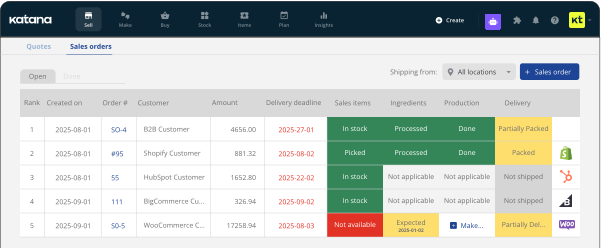
For instance, specialized AI can assist with sales order processing by translating unstructured customer requests into structured data, generating sales orders, and creating quotes. This saves time, minimizes errors, and allows sales teams to focus on core activities.
Other AI tools can provide real-time business overviews through interactive widgets, offering snapshots of operations and key metrics in one place. These tools leverage pre-aggregated data to provide strategic and operational insights instantly, eliminating the need to navigate multiple dashboards.
Powerful insights can also be unlocked through intuitive prompts, allowing users to request visualizations of data, such as revenue trends. These tools deliver instant, graphical representations tailored to specific queries, enabling informed strategic decisions. The future of financial management increasingly involves these tailored AI solutions, making data more accessible and actionable.
Frequently Asked Questions (FAQs) About Claude AI for Audit Preparation
- Q: Can Claude AI replace human auditors?
- A: No, Claude AI cannot replace human auditors. It serves as a powerful tool to assist auditors by automating repetitive tasks, analyzing data, and identifying potential issues. Human judgment, ethical considerations, and complex decision-making remain essential for professional auditors.
- Q: How accurate is Claude AI in identifying audit discrepancies?
- A: Claude AI can be highly accurate in identifying patterns, anomalies, and potential discrepancies based on its training data. However, its accuracy depends on the quality of the input data and the clarity of prompts. All AI-generated insights should be verified by a human auditor.
- Q: What kind of data can I feed to Claude AI for audit preparation?
- A: You can feed Claude AI various financial documents, including general ledgers, transaction records, invoices, receipts, contracts, policy documents, and previous audit reports. Ensure that data privacy and security protocols are in place when sharing sensitive information.
- Q: Is it safe to use Claude AI with sensitive financial data?
- A: Ensuring data privacy and security is paramount. When using any AI tool with sensitive data, always adhere to your organization’s data governance policies, choose secure platforms, and understand how the AI provider handles data. Only share data necessary for the task at hand.
- Q: How can I ensure Claude AI provides relevant insights for my specific audit?
- A: To get the most relevant insights, craft clear, specific prompts that define your audit objectives and the context of the data. Providing examples or guiding the AI with follow-up questions can also help refine its responses to your specific needs.
With Claude AI, businesses gain a versatile assistant to tackle various financial and administrative tasks. The integration of such powerful AI tools is setting the stage for more efficient, accurate, and insightful audit preparations than ever before.
Keywords: Claude AI, audit preparation, financial auditing, AI in finance, accounting technology, compliance, risk assessment, data analysis, AI benefits, AI challenges